Mostrando entradas con la etiqueta Tratamiento. Mostrar todas las entradas

domingo, 22 de diciembre de 2013

Exclusive: 'Jaw-dropping' breakthrough hailed as landmark in fight against hereditary diseases as Crispr technique heralds genetic revolution

Exclusive: 'Jaw-dropping' breakthrough hailed as landmark in fight against hereditary diseases as Crispr technique heralds genetic revolution


A breakthrough in genetics – described as “jaw-dropping” by one Nobel scientist – has created intense excitement among DNA experts around the world who believe the discovery will transform their ability to edit the genomes of all living organisms, including humans.

The development has been hailed as a milestone in medical science because it promises to revolutionise the study and treatment of a range of diseases, from cancer and incurable viruses to inherited genetic disorders such as sickle-cell anaemia and Down syndrome.

For the first time, scientists are able to engineer any part of the human genome with extreme precision using a revolutionary new technique called Crispr, which has been likened to editing the individual letters on any chosen page of an encyclopedia without creating spelling mistakes. The landmark development means it is now possible to make the most accurate and detailed alterations to any specific position on the DNA of the 23 pairs of human chromosomes without introducing unintended mutations or flaws, scientists said.

The technique is so accurate that scientists believe it will soon be used in gene-therapy trials on humans to treat incurable viruses such as HIV or currently untreatable genetic disorders such as Huntington’s disease. It might also be used controversially to correct gene defects in human IVF embryos, scientists said.

Until now, gene therapy has had largely to rely on highly inaccurate methods of editing the genome, often involving modified viruses that insert DNA at random into the genome – considered too risky for many patients.

The new method, however, transforms genetic engineering because it is simple and easy to edit any desired part of the DNA molecule, right down to the individual chemical building-blocks or nucleotides that make up the genetic alphabet, researchers said.

Crispr is absolutely huge. It’s incredibly powerful and it has many applications, from agriculture to potential gene therapy in humans,” said Craig Mello of the University of Massachusetts Medical School, who shared the 2006 Nobel Prize for medicine for a previous genetic discovery called RNA interference.

This is really a triumph of basic science and in many ways it’s better than RNA interference. It’s a tremendous breakthrough with huge implications for molecular genetics. It’s a real game-changer,” Professor Mello told The Independent.

It’s one of those things that you have to see to believe. I read the scientific papers like everyone else but when I saw it working in my own lab, my jaw dropped. A total novice in my lab got it to work,” Professor Mello said.

In addition to engineering the genes of plants and animals, which could accelerate the development of GM crops and livestock, the Crispr technique dramatically “lowers the threshold” for carrying out “germline” gene therapy on human IVF embryos, Professor Mello added.

 
The new method of gene therapy makes it simple and easy to edit any desired part of the DNA molecule (Getty Creative)

Germline gene therapy on sperm, eggs or embryos to eliminate inherited diseases alters the DNA of all subsequent generations, but fears over its safety, and the prospect of so-called “designer babies”, has led to it being made illegal in Britain and many other countries.

The new gene-editing technique could address many of the safety concerns because it is so accurate. Some scientists now believe it is only a matter of time before IVF doctors suggest that it could be used to eliminate genetic diseases from affected families by changing an embryo’s DNA before implanting it into the womb.

If this new technique succeeds in allowing perfectly targeted correction of abnormal genes, eliminating safety concerns, then the exciting prospect is that treatments could be developed and applied to the germline, ridding families and all their descendants of devastating inherited disorders,” said Dagan Wells, an IVF scientist at Oxford University.

It would be difficult to argue against using it if it can be shown to be as safe, reliable and effective as it appears to be. Who would condemn a child to terrible suffering and perhaps an early death when a therapy exists, capable of repairing the problem?” Dr Wells said.


martes, 1 de octubre de 2013

Gamers design swarms of nanoparticles for cancer research [with video]

NanoDoc (http://nanodoc.org) is a new online game to crowdsource the design of nanomedicine. It allows bioengineers and the general public to imagine nanoparticle strategies towards the treatment of cancer and test them on a virtual tumor. The challenge is to design nanoparticles that interact with each other and their environment in a way that leads to better treatment outcomes. The ultimate goal is to design nanoparticles that swarm like self-organized systems in nature. Best strategies will be tested using cancer-on-a-chip devices and large robotic swarms.

HFSP Cross-Disciplinary Fellow Sabine Hauert and colleagues authored on Thu, 26 September 2013

Cancer is the leading cause of death worldwide according to the WHO. To treat cancer, bioengineers are designing nanoparticles that can deliver drugs and therapeutics directly to tumors. Nanoparticles come in different sizes, shapes and materials. They can be loaded with drugs that are released in a controlled fashion, and coated with molecules that allow them to interact with their environment. Some of these molecules can serve as a signature to uniquely identify cancer cells.

As a result, there are many ways to design a nanoparticle. Depending on its design, the nanoparticle will move, sense and act in different ways in the tumor; changing the body of the nanoparticle will change its behavior. The challenge is to understand which nanoparticle designs will improve treatment outcome. This is a difficult problem because trillions of nanoparticles typically interact in a tumor with millions of cells. Predicting and optimizing the emergent behavior of all these nanoparticles is guess work at best.

To address this challenge, the Laboratory of Sangeeta Bhatia at MIT recently released an online game called NanoDoc (http://nanodoc.org) that allows bioengineers and the general public to imagine new nanoparticle strategies towards the treatment of cancer. It uses a realistic simulator developed at the laboratory to model how nanoparticles interact with each other and the tumor environment. The first levels of the game are used to train new NanoDocs; licensed NanoDocs are then given challenges to solve. Since its launch two weeks ago, the game has seen 10,000 visitors, 1750 players and over 40,000 simulations.

Figure: NanoDoc game to crowdsource the design of nanomedicine. The crowd designs nanoparticles and combines them into treatments (left). Treatments are then injected into a virtual tumor scenario designed by bioengineers (right). The goal is to discover ways in which nanoparticles can cooperate.
The longterm goal is to discover ways in which nanoparticles can cooperate, or swarm, like self-organized systems in nature. Select nanotreatments discovered using NanoDoc will be validated using
  1. in vitro tissue-on-a-chip constructs designed to emulate the extravasation of functionalized nanoparticles from artificial vessels into a compartment containing tumor cells and 
  2. robotic swarm systems in collaboration with Radhika Nagpal’s lab from the Wyss Institute at Harvard University.


http://nanodoc.org

Link to article in New Scientist

Link to article in Guardian

miércoles, 31 de julio de 2013

Digest this: Cure for cancer may live in our intestines

ORIGINAL: Medical Xpress

The discovery of Robo1 protein in the intestinal stem cells (depicted in yellow) leads to tolerance of higher doses of chemoradiation for cancer patients. Image courtesy Dr. Wei-Jie Zhou.

Treating a cancerous tumor is like watering a houseplant with a fire hose—too much water kills the plant, just as too much chemotherapy and radiation kills the patient before it kills the tumor.


However, if the patient's gastrointestinal tract remains healthy and functioning, the patient's chances of survival increase exponentially, said Jian-Guo Geng, associate professor at the University of Michigan School of Dentistry. Recently, Geng's lab discovered a biological mechanism that preserves the gastrointestinal tracts in mice who were delivered lethal doses of chemotherapy.

The findings, which will appear in the journal Nature, could revolutionize cancer therapy, Geng said.

"It's our belief that this could eventually cure later-staged metastasized cancer. People will not die from cancer, if our prediction is true," said Geng, who emphasized that the findings had not yet been proven in humans. "All tumors from different tissues and organs can be killed by high doses of chemotherapy and radiation, but the current challenge for treating the later-staged metastasized cancer is that you actually kill the patient before you kill the tumor.

"Now you have a way to make a patient tolerate to lethal doses of chemotherapy and radiotherapy. In this way, the later-staged, metastasized cancer can be eradicated by increased doses of chemotherapy and radiation."

Geng's lab found that when certain proteins bind with a specific molecule on intestinal stem cells, it revs intestinal stem cells into overdrive for intestinal regeneration and repair. Stem cells naturally heal damaged organs and tissues, but so-called "normal" amounts of stem cells in the intestine simply cannot keep up with the wreckage left behind by the lethal doses of chemotherapy and radiation required to successfully treat late-stage tumors.

However, the phalanx of extra stem cells protect the intestine and gastrointestinal tract, which means the patient can ingest nutrients, the body can perform other critical functions and the bacterial toxins in the intestine are prevented from entering the blood circulation, Geng said.

These factors could give the patient just enough of an extra edge to survive the stronger doses of chemotherapy and radiation, until the tumor or tumors are eradicated.

In the study, 50-to-75 percent of the mice treated with the molecule survived otherwise lethal doses of chemotherapy. All of the mice that did not receive the molecule died, Geng said.

"If you can keep the gut going, you can keep the patient going longer," Geng said. "Now we have found a way to protect the intestine. The next step is to aim for a 100-percent survival rate in mice who are injected with the molecules and receive lethal doses of chemotherapy and radiation."

Geng's lab has worked with these molecules, called R-spondin 1 and Slit2, for more than a decade. These molecules repair tissue in combination with intestinal stem cells residing in the adult intestine.


Explore further: For the first time, researchers isolate adult stem cells from human intestinal tissue

More information: Induction of intestinal stem cells by R-spondin 1 and Slit2 augments chemoradioprotection, Nature, DOI: 10.1038/nature12416

Journal reference: Nature Provided by University of Michigan

lunes, 22 de julio de 2013

Water Recycling Comes Of Age In Silicon Valley

ORIGINAL: KQED
by Amy Standen,
Jul 19, 2013

Audio Report on  Reporter for QUEST Northern California


In each unit, water flows through small tubes, each with pores 1/100th the width of a human hair

This fall, Santa Clara county residents will get a new source of water. This water is local and pristine. In fact, it's cleaner than almost anything coming out of taps today. But – for now at least – no one will drink it.

Instead, water from the $68 million Silicon Valley Advanced Water Purification Center will flow into segregated, purple pipes to irrigate lawns and cool power plants.
Silicon Valley Advanced Water Purification Center. Photo courtesy of the Santa Clara Valley Water District

In each unit, water flows through small tubes, each with pores 1/100th the width of a human hair

Next, water is forced under high pressure through reverse osmosis tubes
Finally, water is zapped with ultraviolet rays to sterilize any remaining viruses
Ultraviolet bulbs, like this one, are often used to sterilize medicine and fruit juice
Purified water will flow through purple pipes and hydrants, which indicate the water is not for drinking

That's because the water is recycled from wastewater – sewage – from a wastewater treatment plant across the street. Engineers say it's possible to purify sewage water until it's cleaner than much of what residents drink today. The bigger challenge, they say, is convincing people to drink it.

The need for this new Bay Area plant is well established, says Dick Luthy, a professor of environmental engineering at Stanford University.

San Diego’s recycling plan nearly died in 2007 when the mayor uttered the three most dreaded words for this industry: “Toilet to tap.

We're basically at the limits of our current water supply,” he says.

California's population will increase in coming years. Climate change will make snowmelt from the Sierra Mountains more erratic. Policy battles over farms and endangered fish in the Delta mean more competition for less supply. The important thing to realize, says Luthy, is that where we get our water and what we do with it have to change.

What we're realizing now,” he says, “is that the ways of the past are not the ways of the future.

When it comes online, the plant will produce eight million gallons of purified water a day, using some of the most high-tech water purification systems available today.

The first step is microfiltration. Canisters filled with spaghetti-like fibers filter out anything larger than one micron – 1/300th of the width of a human hair – including bacteria. Next, high-pressure pumps force water through a reverse osmosis membrane, with pores so small they exclude anything larger than a water molecule, including viruses and traces of pharmaceuticals.

Finally, the water gets zapped by ultraviolet rays to scramble the DNA of (and therefore sterilize) anything that might be left living in it. “We are removing 99.99 percent of all pathogens,” says Crystal Yezman, an engineer for the Santa Clara Valley Water District.

San Jose's been recycling water for more than a decade, but this water will be much cleaner. Theoretically, says plant spokesman Marty Grimes, you could drink it.

Unlike water from the embattled Delta, or Hetch Hetchy system, the supply – sewage – is basically boundless. And, as Grimes points out, local.

This water is ours,” he says. “No one can take it away

Add caption


Initially, at least, this water will be more expensive than current water sources, like the Delta or underground aquifers. It will also be more expensive than measures to conserve current water supply, like low-flow shower heads or more efficient toilets.

But managers expect recycled water costs to fall in the future, as the practice becomes more common, and say that recycled water is much less expensive than other “new” sources of water, such as desalination.

Still, water recycling has been a tough sell here in California. San Diego’s recycling plan nearly died in 2007 when the mayor uttered the three most dreaded words for this industry: “Toilet to tap.

A few years ago Brent Haddad, an environmental engineer at UC Santa Cruz, noticed that he kept finding himself at industry meetings listening to water managers complaining about an “irrational” public unwilling to accept perfectly clean, recycled water.

(For more on this, here's a terrific NPR story from a couple years ago.)

So Haddad conducted a national survey, to try and understand this resistance and what it would take to change it.

We found it has nothing to do with level of education or any other personal demographic traits, like race, religion or salary,” says Haddad.

Fear about drinking recycled water, he says, is “a great equalizer.

So how do you convince the public to embrace recycled water? Haddad says the first step is to explain to people how the water is treated, and why it is safe to drink.

Part of that process is explaining that Americans have effectively been drinking recycled water for generations.

Take, for instance, cities along the Mississippi or Colorado Rivers. Cities treat their sewage and pump it back into the river. Downstream, other cities suck water from the river, treat it, and pipe it to customers.

Any city that gets its water from Colorado river, like Las Vegas and southern California utilities,” says Dave Smith, Managing Director for Water Reuse California. “are getting some of their water supply through incidental potable reuse.

Brent Haddad says another way to reassure customers is to use what he calls “psychological cleansing.

You have to break the memory, the line of history of the water.

In other words, re-write the history of the water, editing out the part about sewage. One way to do this is to take recycled water and put it back into nature, for instance, a river.

That river is something that's comforting to people. We don’t have to think that the water came through a city. We just begin the history of the water in the river itself.

In fact California's Department of Public Health, which works with utilities to design water recycling facilities, currently requires this kind of “environmental buffer.” (Though the Department is currently reevaluating that policy.)

An environmental buffer is built into the design of the world's largest water recycling facility, operated by the Orange County Water District.
Toilet to tap.”  A water fountain at San Francisco's Exploratorium challenges people's assumptions about where their water comes from. Photo courtesy of Windell Oskay


Instead of a river, the county's Groundwater Replenishment System cleans treated sewage, then pumps it into underground aquifers, where it mixes with other water and eventually gets pumped up, re-treated, and piped to peoples’ houses.

Water managers call these systems “indirect potable reuse.

We put it back into the ground and then eventually it becomes part of the water supply,” says the district's general manager Michael Markus.

Markus says getting water clean enough that it can be put back into an aquifer is the easy part. Much more of a challenge, he says, was convincing the public that the water would be safe enough to drink. The district decided on a policy of total transparency, he says, and started planning a series of public meetings.

We went to our local state elected officials, the health and medical community, environmental groups, Rotary clubs,” he says. “We talked to the Sons and Daughters of the American Revolution, scouting troops… anyone who would want to hear or receive a presentation.

This whole process took nine years. Tours of the facility are still available.

The irony is that when you put recycled water back into the ecosystem, it actually gets dirtier, and has to be treated again.

Markus says it's “frustrating” to watch this facility pump pristine water into a hole in the ground. But he realizes that winning people over to recycled water is an ongoing process.

That process is farther along in Southern California. In Los Angeles, says Dave Smith, “One-fifth of the population is already getting part of their water supply from indirect potable reuse.

In West Texas, which faces critical water shortages, at least two recycling facilities skip the “environmental buffer” stage entirely, using advanced purification to treat wastewater and pump it directly to customers.

Here in Northern California, the process of use and acceptance is just beginning. When the Silicon Valley Advanced Water Purification Center opens up in late fall, the pristine water will be destined for golf courses and power plants.

But one day, if policies and public opinion change, it could be there for drinking, too.

Tags: effluent water, featured, kqed, pbs, QUEST, recycled water, Santa Clara County, Silicon Valley Advanced Water Purification Center

jueves, 20 de junio de 2013

Fire with Fire - Ross Kauffman MD

ORIGINAL: GE Focus / Forward

"...T - cells were infected with HIV-Virus cells genetically engineered so it can not cause disease anymore, but still retain the ability to reprogram the immune system so it will now attack cancer cells..."


Who would dare to pit one fatal disease against another... inside the body of an six-year-old patient? The results will shatter all expectations.

jueves, 30 de mayo de 2013

Nuevos materiales poliméricos para remover contaminantes del agua

ORIGINAL: DiCyT

Investigan nuevos materiales poliméricos para remover contaminantes del agua (FOTO: UDEC).
Ya han mostrado buenos resultados para el tratamiento de aguas industriales, principalmente para la remoción de metales tóxicos

UDEC/DICYT Desarrollar nuevos materiales poliméricos para la separación de metales pesados desde el agua de consumo así como de residuos industriales, es el objetivo del Proyecto de Cooperación Innovative materials and methods for water treatment, Chilturpol, del Programa Marie Curie Actions, en el que trabajan investigadores de Turquía, Polonia y de la facultad de Ciencias Químicas de la Universidad de Concepción (UEDC), a través del grupo de trabajo del Dr. Bernabé Rivas.

En el marco de este proyecto, que ya está en su tercer año, visitaron la Facultad los investigadores polacos Dra. Dorota Jermakowicz-Bartkowiak, el Dr. Zygmunt Sadowski y la estudiante de doctorado Eliza Nazar de la Universidad Tecnológica de Wroclaw, Polonia. Además se encuentran trabajando en los laboratorios de Ciencias Químicas los estudiantes de maestría Eren Yorukoglu y Gulsah Ozkula, de la Universidad de Ege, Izmir, Turquía.

La iniciativa de remoción de metales del agua, mediante la combinación de diferentes materiales como membranas, resinas y polímeros solubles, ya ha tenido importantes avances en el desarrollo de tecnologías para el tratamiento de agua.

A juicio de la Dra. Jermakowicz-Bartkowiak, sus resinas muestran buenos resultados para el tratamiento de aguas industriales, principalmente para la remoción de metales tóxicos como cromo. En el caso de la estudiante de doctorado Eliza Nazar, ella avanzó el año pasado en la remoción de boro con polímeros solubles en membranas y ahora está trabajando en resinas impregnadas para la remoción de arsénico.

En tanto el Dr. Sadowski está investigando cómo interactúan las bacterias y los minerales, además de la migración de los iones metálicos hacia el agua y cómo éstos pudieran remediar ciertos problemas. Recordó que es ampliamente conocido que metales como el arsénico son altamente tóxicos para el cuerpo y que “se ha reportado que el consumo de agua con altas concentraciones produce enfermedades como cáncer, problemas estomacales y en la piel. Por eso es importante desarrollar tecnologías para remover estos contaminantes, antes de que sean consumidos por la población añadió.

Respecto a los estudiantes de Turquía, ellos están trabajando en la síntesis de nuevos materiales para la separación de especies tóxicas, principalmente arsénico y boro.

El proyecto Chilturpol contempla el intercambio de investigadores, profesores y estudiantes desde Turquía y Polonia, así como desde Chile hacia ambos países.

martes, 2 de abril de 2013

Una terapia génica contra el cáncer activada por una píldora

Por Susan Young 
1 de abril de 2013 

Los pacientes podrían desactivar un tratamiento experimental si los efectos secundarios son demasiado negativos. 

Un nuevo y único tratamiento utiliza la terapia génica para inducir una respuesta inmune contra el cáncer, y su intensidad se puede controlar con una píldora. La combinación podría ayudar a adaptar el tratamiento a la respuesta individual del paciente. 

El tratamiento utiliza células propias del cuerpo o células tumorales para producir copias adicionales de una molécula parecida a una hormona y que se da de forma natural en el cuerpo, llamada IL-12, que regula la respuesta inmune contra el cáncer. La semana pasada, Ziopharm Oncology anunció un estudio clínico del tratamiento para pacientes con cáncer de mama. La compañía ya está probándolo en pacientes con melanoma. 

Muchos investigadores han explorado técnicas para acelerar la respuesta natural que el cuerpo utiliza para detectar y atacar a las células cancerosas. Sin embargo, controlar las células asesinas del sistema inmunológico a veces puede resultar difícil, tal y como descubrieron diversos investigadores en la década de los 90 cuando algunos pacientes con cáncer que recibieron la IL-12 en un ensayo clínico murieron a causa de los efectos secundarios tóxicos. 

"La IL-12 es una [reguladora del sistema inmune] muy potente y puede generar una gran cantidad de efectos secundarios", señala Per Basse, médico-científico de la Escuela de Medicina de la Universidad de Pittsburgh (EE.UU.), dedicado al estudio de las células inmunes y su capacidad para combatir el cáncer. "Como médico, me gustaría ser capaz de subir y bajar la intensidad, de manera que podamos detener el proceso si vemos que no va del todo bien", señala. 

Para evitar el aspecto peligroso de la molécula, el sistema de Ziopharm está diseñado para controlar la IL-12 con un interruptor genético y farmacéutico combinado. El gen de la IL-12 se inyecta en el tumor a través de un virus El gen comienza en modo 'apagado', por lo que en realidad no produce ninguna IL-12. Para activar el gen, el paciente tiene que tomar una pastilla con la que se le distribuye otra molécula. La ventaja es que cualquier paciente que comience a experimentar efectos secundarios desagradables debido a la IL-12 puede dejar de tomar la píldora. "Si las cosas se ponen mal, tienes una válvula de escape", asegura el director general de Ziopharm, Jonathan Lewis

La clave del sistema 'inducible' es una versión del receptor que controla la muda en artrópodos (insectos, arañas y crustáceos), modificado para que determine si el gen IL-12 está encendido. El gen para ese receptor, que también se introduce en el cuerpo por un virus, está siempre encendido, pero su producto de proteína y, por lo tanto, su expresión de la IL-12 se activa por la píldora. Ziopharm consiguió una licencia del sistema de control de Intrexon para su uso en el tratamiento oncológico. 

"La capacidad de inducción es una gran idea, pero el truco está en conseguir algo que podamos introducir en el tumor", señala Ralph Weichselbaum, investigador del cáncer en la Universidad de Chicago (EE.UU.), que ha trabajado en terapias contra el cáncer inducidas por radiación. En la actualidad, Ziopharm inyecta el virus cargado con el gen directamente en los tumores de los pacientes, aunque Lewis asegura que en el futuro el plan es inyectarlo en los músculos. "Las células musculares son fábricas de producción de proteínas muy buenas", indica. 

Sin embargo, incluso inyectar el virus en un solo tumor provoca un efecto en los otros tumores, tanto en animales de laboratorio como en seres humanos. En estudios con animales, el tumor que recibe la inyección se hará más grande en un primer momento porque las células inmunes se acumulan en respuesta a la IL-12. "Después se hará más pequeño y desaparecerá", asegura Lewis. Ocurrirá lo mismo con los tumores que no reciban la inyección: crecerán, después se contraerán y más tarde desaparecerán. "Estamos observando cosas similares en la gente", afirma Lewis. 

En última instancia, el sistema podría ser utilizado para administrar múltiples tratamientos genéticos a la vez, asegura Lewis. "Con una inyección podríamos ser capaces de controlar tres o cuatro proteínas [de lucha contra el cáncer] de distintas maneras".

jueves, 24 de enero de 2013

¿Como nos pueden ayudar las hormigas a mejorar la gestión de las aguas residuales?

ORIGINAL: iAgua.es
23/01/13

Depuradora gestionada por Promedio Badajoz

La tesis elaborada por Marta Verdaguer lleva por título "Evaluación del paradigma de agentes en la gestión de un sistema complejo de aguas residuales"

El trabajo se ha desarrollado en el marco del grupo de investigación Laboratorio de Ingeniería Química y Ambiental (LEQUIA) Recibe nuestro newsletter diario 

(UDG) ¿Como nos pueden ayudar las hormigas a mejorar la gestión del agua residual? Esta pregunta también se la ha hecho la investigadora de la Universidad de Girona (UdG) Marta Verdaguer.

A partir del estudio de su comportamiento, se referencia un método que - mediante hormigas virtuales - permite optimizar procesos y que la científica ha adaptado a la gestión de las aguas residuales.

Este proceso de priorización, conjuntamente con una metodología de agentes, ha permitido conceptualizar el sistema de saneamiento como un sistema multiagente

Esta metodología ha servido para instanciar un tipo de algoritmo que prioriza los efluentes industriales que se quieren aportar a un sistema de tratamiento de aguas residuales cuando éste no dispone de capacidad disponible suficiente (en volumen y cargas contaminantes) para admitir todas las aportaciones.

Este proceso de priorización, conjuntamente con una metodología de agentes, ha permitido conceptualizar el sistema de saneamiento como un sistema multiagente. 

El avance permite que las aguas residuales del alcantarillado se puedan gestionar de manera que compongan un influyente al tratamiento que no provoque sobrecargas y, al mismo tiempo, tenga unas características de composición que sean o se acerquen a las características que en el diseño del tratamiento se definen para su óptima eficacia.

Herramienta útil
La implementación del sistema y la ejecución de ciclos consecutivos de simulación han demostrado que la aplicación del paradigma de agentes, considerado un sistema de ayuda a la decisión autónomo, constituye una herramienta factible para resolver el complejo problema de la gestión del sistema de saneamiento.

La tesis elaborada por Marta Verdaguer lleva por título "Evaluación del paradigma de agentes en la gestión de un sistema complejo de aguas residuales" y ha sido dirigida por los doctores Manel Poch y Narciso Clara. El trabajo se ha desarrollado en el marco del grupo de investigación Laboratorio de Ingeniería Química y Ambiental (LEQUIA).

Se puede consultar este trabajo en la web de Tesis Doctorales en Red (TDR).

viernes, 18 de enero de 2013

Protecting global water sources

ORIGINAL: TicoTimes
By Alberto Font
Friday, January 18, 2013 - 

A study by research group Ecosystem Marketplace noted that 80 percent of the world’s countries are facing issues related to threatened water security.
Dave Sherwood
A new study finds that the number of global environmental services programs doubled from 2008-2011.

A report released this week finds that more countries are turning to environmental services programs to protect sensitive water sources.

Facing increasing water scarcity, many countries are turning to environmental service payments to help mitigate the effects of climate change and pollution. 

A study released this week by research group Ecosystem Marketplace, titled “State of Water Resource Protection 2012,” noted that 80 percent of the world’s countries are facing issues related to threatened water security. 

We are witnessing the first stages of a global response that could transform the ways in which we value and manage the world’s hydrologic resources,” said Michael Jenkins, CEO of Forest Trends, a conservation group that manages Ecosystem Marketplace.  (Charting New Waters State of Watershed Payments 2012)

According to Marta Echavarría, a member of Ecosystem Marketplace’s advisory committee, Costa Rica, is a pioneer of environmental service payment programs, established in the 1990s with the creation of the National Forestry Financing Fund, which provides landowners with financial incentives to protect forested areas

Other countries in the region, including Mexico, Ecuador, Brazil and Bolivia, have created similar programs, sometimes offering non-financial incentives. In Bolivia, for example, more than 500 families receive bee farms, fruit trees or other productive input in exchange for efforts to protect water sources. Ecuador pays farmers and indigenous communities to protect their hydrologic resources

From 2008 to 2011, initiatives to protect and restore forests, wetlands and other important ecosystems have doubled in number. The report covers 205 programs around the world, 21 of them in Latin America. Globally, the number of programs has increased by 100 in three years, totaling $8.2 billion in investment, a significantly greater amount than in 2008. 

Ecosystem Marketplace analysts noted that investing in programs to protect water at the source, rather than spending on treatment, could result in considerable savings for governments. It also helps to guarantee water security and provide environmental and social benefits to communities. 

[These programs] definitely curb costs. If we don’t look for natural alternatives, eventually we’re going to have to invest heavily in building large water treatment plants or in transporting potable water long distances,” Echavarría told The Tico Times.

Another problem Latin Americans face is a general lack of water treatment infrastructure. Coupled with the effects of pollution and climate change, the lack of treatment facilities is converting a region rich in hydrologic resources into one that is highly vulnerable to problems with accessing potable water. 

The study notes that China is a global leader in investing in programs to protect hydrologic resources at the source. The Asian giant accounts for 91 percent of global investments in environmental services programs protecting water. Chinese officials, for example, offer new health service benefits for residents in mountainous communities in exchange for better groundwater management, which they say will help improve potable water access.

The lack of secure water sources likely represents the greatest threat for continued economic growth [in China],” the report noted. 

In the United States, officials in New York chose not to invest heavily in new water treatment facilities, opting instead to implement compensation programs for farmers in the Catskills who agreed to work to reduce pollution in regional lakes, rivers and streams that provide New York City with potable water. Thanks to these efforts, New York had enough drinking water to make it through the recent Hurricane Sandy.

The study also notes that 68 other environmental services programs operate in all of North America

The benefits of these hydrologic programs extend well beyond water; they support biodiversity, reduce emissions and provide income to rural families,” said Genevieve Bennett, the report’s lead author.

But private-sector participation in these types of programs remains limited, despite the fact that many companies have reported problems related to water availability. Most of these types of programs are operated by nongovernmental organizations or by governments. 

It could very well be that many companies are taking a wait-and-see approach to see if these programs can be improved upon,” Bennett said. 

But Bennett believes that the market for hydrologic services investment is on the verge of considerable growth, particularly if the global economy begins to improve

The best part of this report is that it tells us that these types of investments are real, they’re growing, and they don’t follow ideological lines. Countries with a neoliberal philosophy are implementing them along with capitalist countries and communist countries like China. We all have to protect our water sources,” Echavarría said.

domingo, 6 de enero de 2013

One cell is all you need

ORIGINAL: News Harvard
By Peter Reuell. Harvard Staff Writer
January 4, 2013

Innovative technique can sequence entire genome from single cell

Rose Lincoln/Harvard Staff Photographer. Mallinckrodt Professor of Chemistry and Chemical Biology Xiaoliang Sunney Xie (from left) has co-authored a paper on gene sequencing with graduate student Alec Chapman and postdoctoral fellow Chenghang Zong. The paper demonstrates a new method for DNA amplification that could signal a breakthrough in genomics.


The notion that police can identify a suspect based on the tiniest drop of blood or trace of tissue has long been a staple of TV dramas, but scientists at Harvard have taken the idea a step further. Using just a single human cell, they can reproduce an individual’s entire genome.

As described in a Dec. 21 paper in Science, a team of researchers, led byXiaoliang Sunney Xie, the Mallinckrodt Professor of Chemistry and Chemical Biology, and made up of postdoctoral fellow Chenghang Zong, graduate student Alec Chapman, and former graduate student Sijia Lu, developed a method — dubbed MALBAC, short for Multiple Annealing and Looping-based Amplification Cycles — that requires just one cell to reproduce an entire DNA molecule.

Add caption
More than three years in the making, the breakthrough technique offers the potential for early cancer treatment by allowing doctors to obtain a genetic “fingerprint” of a person’s cancer from circulating tumor cells. It also could lead to safer prenatal testing for a host of genetic diseases.

If you give us a single human cell, we report to you 93 percent of the genome that contains three billion base pairs, and if there is a single base mutation, we can identify it with 70 percent detectability, with no false positives detected,” Xie said. “This is a major development.

In a second paper, published simultaneously, researchers from Xie’s lab worked with scientists at Peking University in China to demonstrate MALBAC by sequencing 99 sperm cells from one individual and examining the paternal and maternal contribution to each cell’s genome.

As its name suggests, Xie said, MALBAC is a type of DNA amplification that allows researchers to duplicate the single DNA molecule present in a cell many times so it can be analyzed in the lab.

While other methods of DNA amplification exist, most — like polymerase chain reaction (PCR) or multiple displacement amplification (MDA) — suffer from a specific problem,” Xie said. “Because they amplify exponentially, both have bias. They dramatically amplify some parts of the genome, but amplify others very little.

By comparison, he said, MALBAC relies on linear amplification, meaning it is able to minimize the sequence-dependent bias.

Just as it does with other methods, the amplification process begins by splitting the DNA double helix into two single strands. Xie’s team then adds a random “primer” — tiny fragments of DNA — that binds in dozens of locations along each strand.

To extend those primers, Xie’s team used a DNA polymerase, the same cellular “machine” that synthesizes DNA as cells divide. Using that machine, researchers are able to extend the primers from as few as seven bases to as many as 2,000. Upon heating, they break the elongated primers apart from the original DNA, yielding half products.

When those half products are then amplified using the same primers, the two ends of the DNA combine, forming a loop that prevents it from being amplified again. The leftover half products and the original DNA are subject to another cycle of amplification. After five cycles of such linear pre-amplification, the full product is amplified by PCR to produce enough material for sequencing.

Despite the high coverage, DNA polymerases do occasionally make errors, Xie explained. To ensure that the genome produced by MALBAC is accurate, researchers turned to a different technique.

“Many diseases are associated with a single base mutation,” Xie said. “The challenge, however, is that finding one mutation in more than 3 billion base pairs is like looking for a needle in a haystack. Earlier techniques, like PCR or MDA, start with many cells, making the challenge even greater; a single mutation simply gets lost in the process. MALBAC, however, starts with a single cell, so it is easier to identify those mutations when they happen.

To ensure MALBAC’s accuracy, Xie’s team simply let the original cell divide.

While the polymerase that researchers use to build the DNA sequence is highly accurate, only making one mistake per 10,000 bases, letting the cell divide gives researchers a chance to double check its work.

The chances of the same mistake being made at the same base position are about one in 100 million,” Xie said. “If we let the cells divide again, and sequence three cells, the chances go up to one in 10 billion, less than the number of bases in the entire DNA molecule, so we can remove all the false positives.

Getting that level of accuracy is very important, because if a doctor tells a patient that he detects a mutation, he doesn’t want to be wrong,” he continued. “When we use MALBAC, if a mutation appears in two or three related cells, we know it must be a real mutation.

As a demonstration of MALBAC’s power, Xie and his team monitored the mutations that arose in a single cancer cell as it divided over 20 generations, and uncovered as many as 50 newly acquired mutations.

This is the first time the mutation rate of a human cell has been measured directly,” Xie said. “Because we can now see the unique, newly acquired bases, we can study the dynamics of the genome in a way that was not possible before.

miércoles, 26 de diciembre de 2012

In the Flesh: The Embedded Dangers of Untested Stem Cell Cosmetics

Unapproved procedures and skin care products endanger consumers and clinical research

Image: Credit: Nissim Benvenisty, via Wikimedia Commons
When cosmetic surgeon Allan Wu first heard the woman's complaint, he wondered if she was imagining things or making it up. A resident of Los Angeles in her late sixties, she explained that she could not open her right eye without considerable pain and that every time she forced it open, she heard a strange click—a sharp sound, like a tiny castanet snapping shut. After examining her in person at The Morrow Institute in Rancho Mirage, Calif., Wu could see that something was wrong: Her eyelid drooped stubbornly, and the area around her eye was somewhat swollen. Six and a half hours of surgery later, he and his colleagues had dug out small chunks of bone from the woman's eyelid and tissue surrounding her eye, which was scratched but largely intact. The clicks she heard were the bone fragments grinding against one another.

About three months earlier the woman had opted for a relatively new kind of cosmetic procedure at a different clinic in Beverly Hills—a face-lift that made use of her own adult stem cells. First, cosmetic surgeons had removed some the woman's abdominal fat with liposuction and isolated the adult stem cells within—a family of cells that can make many copies of themselves in an immature state and can develop into several different kinds of mature tissue. In this case the doctors extracted mesenchymal stem cells—which can turn into bone, cartilage or fat, among other tissues—and injected those cells back into her face, especially around her eyes. The procedure cost her more than $20,000, Wu recollects. Such face-lifts supposedly rejuvenate the skin because stem cells turn into brand-new tissue and release chemicals that help heal aging cells and stimulate nearby cells to proliferate.

During the face-lift her clinicians had also injected some dermal filler, which plastic surgeons have safely used for more than 20 years to reduce the appearance of wrinkles. The principal component of such fillers is calcium hydroxylapatite, a mineral with which cell biologists encourage mesenchymal stem cells to turn into bone—a fact that escaped the woman's clinicians. Wu thinks this unanticipated interaction explains her predicament. He successfully removed the pieces of bone from her eyelid in 2009 and says she is doing well today, but some living stem cells may linger in her face. These cells could turn into bone or other out-of-place tissues once again.

Dozens, perhaps hundreds, of clinics across the country offer a variety of similar, untested stem cell treatments for both cosmetic and medical purposes. Costing between $3,000 and $30,000, the treatments promise to alleviate everything from wrinkles to joint pain to autism. The U.S. Food and Drug Administration (FDA) has not approved any of these treatments and, with a limited budget, is struggling to keep track of all the unapproved therapies on the market. At the same time, pills, oils, creams and moisturizers that allegedly contain the right combination of ingredients to mobilize the body's resident stem cells, or contain chemicals extracted from the stem cells in plants and animals, are popping up in pharmacies and online. There's Stem Cell 100, for example, MEGA STEM and Apple Stem Cell Cloud Cream. Few of these cosmetics have been properly tested in published experiments, yet the companies that manufacture them say they may heal damaged organs, slow or reverse natural aging, restore youthful energy and revitalize the skin. Whether such cosmetics may also produce unintended and potentially harmful effects remains largely unexamined. The increasing number of untested and unauthorized stem cell treatments threaten both people who buy them and researchers hoping to conduct clinical trials for promising stem cell medicine.

When is a skin cream a drug?
So far, the FDA has only approved one stem cell treatment: a transplant of bone marrow stem cells for people with the blood cancer leukemia. Among the increasing number of unapproved stem cell treatments, some clearly violate the FDA's regulations whereas others may technically be legal without its approval. In July 2012, for example, the U.S. District Court upheld an injunction brought by the FDA against Colorado-based Regenerative Sciences to regulate just one of the company's several stem cell treatments for various joint injuries as an "unapproved biological drug product." The decision hinged on what constitutes "minimal manipulation" of cells in the lab before they are injected into patients. In the treatment that the FDA won the right to regulate, stem cells are grown and modified in the lab for several weeks before they are returned to patients; in Regenerative Sciences's other treatments, patients' stem cells are extracted and injected within a day or two. Regenerative Sciences now offers the legally problematic treatment at a Cayman Island facility.

Many stem cell cosmetics reside in a legal gray area. Unlike drugs and "biologics" made from living cells and tissues, cosmetics do not require premarket approval from the FDA. But stem cell cosmetics often satisfy the FDA's definitions for both cosmetics and drugs. In September 2012 the FDA posted a letter on its Web site warning Lancôme, a division of L'Oréal, that the way it describes its Genifique skin care products qualify the creams and serums as unapproved drugs: they are supposed to "boost the activity of genes," for example, and "improve the condition of stem cells." Other times the difference between needing or not needing FDA approval comes down to linguistic nuance—the difference between claiming that a product does something or appears to do something.

Personal Cell Sciences, in Eatontown, N.J., sells some of the more sophisticated stem cell–based cosmetics: an eye cream, moisturizer and serum infused with chemicals derived from a consumer's own stem cells. According to its website and marketing materials, these products help "make skin more supple and radiant," "reduce the appearance of fine lines and wrinkles around the eyes and lips," "improve cellular renewal" and "stimulate cell turnover for renewed texture and tone." In exchange for $3,000, Personal Cell Sciences will arrange for a participating physician to vacuum about 60 cubic centimeters (one quarter cup) of a customer's fat from beneath his or her skin and ship it on ice to American CryoStem Corp. in Red Bank, N.J., where laboratory technicians isolate and grow the customer's mesenchymal stem cells to around 30 million strong. Half these cells are frozen for storage; from the other half, technicians harvest hundreds of different kinds of exuded growth factors and cytokines—molecules that help heal damaged cells and encourage cells to divide, among other functions. These molecules are mixed with many other ingredients—including green tea extract, caffeine and vitamins—to create the company's various "U Autologous" skin care products, which are then sold back to the consumer for between $400 and $800. When the customer wants a refill, technicians thaw some of the frozen cells, collect more cytokines and produce new bottles of cream.

In an unpublished safety trial sponsored by Personal Cell Sciences, Frederic Stern of the Stern Center for Aesthetic Surgery in Bellevue, Wash., and his colleagues monitored 19 patients for eight weeks as they used the U Autologous products on the left sides of their faces. A computer program meant to objectively analyze photos of the volunteers' faces measured an average of 25.6 percent reduction in the volume of wrinkles on the treated side of the face. Analysis of tissue biopsies revealed increased levels of the protein elastin, which helps keep skin taut, and no signs of unusual or cancerous cell growth.

Only skin deep?
Supposedly, the primary active ingredients in the U Autologous skin care products are the hundreds of different kinds of cytokines they contain. Cytokines are a large and diverse family of proteins that cells release to communicate with and influence one another. Cytokines can stimulate cell division or halt it; they can suppress the immune system or provoke it; they can also change a cell's shape, modulate its metabolism and force it to migrate from one location to another like a cowboy corralling cattle. Researchers have only named and characterized some of the many cytokines that stem cells secrete. Some of these molecules certainly help repair damaged cells and promote cell survival. Others seem to be involved in the development of tumors. In fact, some recent evidence suggests that the cytokines released by mesenchymal stem cells can trigger tumors by accelerating the growth of dormant cancer cells. Personal Cell Sciences does not pick and choose among the cytokines exuded by its customers' stem cells—instead, it dumps them all into its skin care products.

Based on the available evidence so far, topical creams containing cytokines from stem cells pose far less risk of cancer than living stem cells injected beneath the skin. But scientists do not yet know enough about stem cell cytokines to reliably predict everything they will do when rubbed into the skin; they could interact with healthy skin cells in a completely unexpected way, just as the unintended interplay between calcium hydroxylapatite and stem cells produced bones in the Los Angeles woman's eye. Stern acknowledges that unusual tissue growth is a concern for any treatment based on stem cells and the chemicals they release. "Down the line, we want to continue watching that," he says. Unlike many other clinics, he and his colleagues have been keeping tabs on their patients through regular follow-ups. John Arnone, CEO of American CryoStem and founder of Personal Cell Sciences, says the fact that U Autologous skin care products contain such a diversity of cytokines does not bother him: "I've seen worse things out there. I've been putting this formulation for almost a year on myself prior to the study. I'm the best guinea pig here."

Beyond the considerable risks to consumers, unapproved stem cell treatments also threaten the progress of basic research and clinical trials needed to establish safe stem cell therapies for serious illnesses. By harvesting stem cells, subsequently nourishing them in the lab and transplanting them back inside the human body, scientists hope to improve treatment for a variety of medical conditions, including heart failure, neurodegenerative disorders like Parkinson's, and spinal cord injuries—essentially any condition in which the body needs new cells and tissues. Researchers are investigating many stem cell therapies in ongoing, carefully controlled clinical trials. Some of the principal questions entail which of the many kinds of stem cells to use; how to safely deliver stem cells to patients without stimulating tumors or the growth of unwanted tissues; and how to prevent the immune system from attacking stem cells provided by a donor. Securing funding for such research becomes all the more difficult if shortcuts taken by private clinics and cosmetic manufacturers—and the subsequent botched procedures and unanticipated consequences—imprint a stigma on stem cells.

"Many of us are super excited about stem cells, but at same time we have to be really careful," says Paul Knoepfler, a cell biologist at the University of California, Davis, who regularly blogs about the regulation of stem cell treatments. "These aren't your typical drugs. You can stop taking a pill and the chemicals go away. But if you get stem cells, most likely you will have some of those cells or their effects for the rest of your life. And we simply don't know everything they are going to do."

domingo, 5 de agosto de 2012

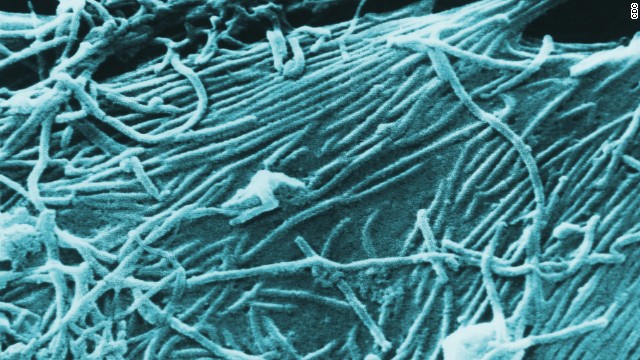
El brote de ébola ¿podría llegar a Estados Unidos y otros países?

ORIGINAL: CNN
4 agosto 2012


(CNN) — Al menos 16 personas han muerto hasta ahora por el brote de ébola que inició a principios de julio en el occidente de Uganda. Según la Organización Mundial de la Salud (OMS), se cree que el primer caso vino de la villa Nyanswiga en Nyamarunda, un subcondado del distrito Kibaale, de Uganda.

Nueve de las muertes, según reportes, ocurrieron en una misma casa y un funcionario de salud que trataba a uno de esos pacientes también murió.

La OMS dijo este viernes que el brote está controlado en ese país, donde más de 50 personas han sido diagnosticadas con el virus. Pero, ¿qué es el ébola y cuáles son las probabilidades de que se propague a otros continentes?

Cuándo fue descubierto el ébola

El virus de ébola fue detectado por primera vez en 1976 en Zaire, una nación de África central que ahora se llama República Democrática del Congo. El virus fue nombrado como un río en ese país, a cuya orilla se encontró el primer brote de la enfermedad. Hay cinco especies de virus de ébola, todos nombrados con base en las áreas donde fueron encontrados en: Zaire, Sudán, Costa de Marfil, Bundibugyo y Reston, según la OMS. (Cada especie de ébola puede tener diferentes cepas).

Los funcionarios de salud han determinado que la especie de Sudán es el culpable de este brote actual, que está entre las tres especies más letales de ébola. Las tasas de mortalidad de los brotes de fiebre hemorrágica de ébola en África están entre el 25% y el 90%, de acuerdo con una hoja informativa de la OMS.

Hasta ahora se ha encontrado que la especie Reston de ébola es la única que infecta a humanos y no causa enfermedades graves o muertes.

Síntomas y tratamiento del ébola

Los síntomas iniciales de ébola pueden ser confundidos con otras enfermedades (como la gripe) debido a que pueden ser muy similares:

  • fiebre alta repentina, 
  • dolor de músculos y articulaciones y 
  • dolor de garganta. 
Pero las víctimas de ébola a menudo tienen 
  • diarrea con sangre 
  • y/o comienzan a vomitar, 
  • seguido de erupciones, 
  • ojos rojos, y 
  • hemorragias internas y externas (sangrado en la nariz o encías).
Los primeros informes de este brote sugieren que más pacientes sufrieron de vómitos y diarrea que de hemorragias externas visibles, pero los funcionarios de salud advierten que la información sobre este brote sigue dispersa y la investigación acaba de empezar.

No hay tratamiento para el ébola ni vacuna. Todo lo que los médicos pueden hacer es proporcionar a los pacientes tratamiento de apoyo, como: reponer sus líquidos y electrolitos; mantener su presión arterial y niveles de oxígeno bajo control y tratar cualquier infección adicional, según los Centros para el Control y Prevención de Enfermedades de Estados Unidos (CDC, por sus siglas en inglés).

Hay mucho que no se conoce sobre esta enfermedad, pero los investigadores sospechan que “los pacientes que mueren normalmente no han desarrollado una respuesta inmune significativa al virus en el momento de su muerte”, según una hoja informativa de los centros.

¿Cómo se transmite?

Los investigadores no saben cuál es el reservorio natural del virus de ébola. Pero han encontrado a su virus primo: Marburgo, que también causa fiebre hemorrágica en murciélagos de la fruta en África.

Aunque no hay casos conocidos de un humano directamente infectado con el ébola por un murciélago hay dos casos documentados de humanos infectados con el virus Marburgo después de estar en una cueva llena de murciélagos de fruta.

Sin embargo, los investigadores creen que los humanos están infectados por manipular animales muertos o vivos que están infectados (como chimpancés, gorilas y antílopes), o por estar en contacto directo con alguien que está enfermo con el virus o ha muerto de ébola.

El virus puede ser encontrado en fluidos corporales (como sangre, orina, diarrea y saliva), así que el contacto directo con estos fluidos de animales o humanos infectados puede llevar a la transmisión. Las personas también pueden infectarse al estar en contacto con secreciones corporales encontradas en agujas, bisturís, ropa sucia y ropa de cama.

¿El ébola puede ser contenido?

Una vez que el brote ha sido identificado, la transmisión del virus puede ser prevenida, si se toman las precauciones adecuadas. Evitar contacto con fluidos corporales de alguien con ébola es clave. Eso significa vestir equipo de protección personal adecuado como guantes, batas, mascarillas y protección ocular. Los hospitales también deben instalar salas de cuarentena para aislar a los pacientes con ébola.

Los funcionarios dijeron a CNN que quienes cuidan de los enfermos necesitan llevar equipo de protección personal, pero alguien que sólo camina en una villa donde un paciente estuvo enfermo no necesita vestir una mascarilla, porque el virus no se propaga por el aire.

Este brote, ¿podría propagarse a otros continentes?

Los expertos dicen que es poco probable que el brote actual se propague a Norteamérica. El único ejemplo de transmisión de ébola en Norteamérica llegó a Estados Unidos con la importación de monos de investigación y ningún humano se enfermó.

Hace cuatro años dos turistas (una holandesa y un estadounidense) que viajaron a Uganda se infectaron con la fiebre hemorrágica de Marburgo. Ambos pacientes regresaron a sus países natales, según los CDC. El estadounidense sobrevivió y la holandesa murió, pero nadie más se infectó debido a que se tomaron protecciones adecuadas durante el tratamiento.

¿Cuándo se considera que un brote terminó?

El periodo de incubación del ébola es de dos a 21 días, según la OMS. Los funcionarios de salud dicen a CNN que un brote se considera como terminado después de dos periodos de incubación después de que la última persona se enfermó; un total de 42 días.