Mostrando entradas con la etiqueta Crispr. Mostrar todas las entradas

martes, 17 de mayo de 2016

The Rise of Artificial Intelligence and the End of Code

EDWARD C. MONAGHAN
Soon We Won’t Program Computers. We’ll Train Them Like Dogs

Before the invention of the computer, most experimental psychologists thought the brain was an unknowable black box. You could analyze a subject’s behavior—ring bell, dog salivates—but thoughts, memories, emotions? That stuff was obscure and inscrutable, beyond the reach of science. So these behaviorists, as they called themselves, confined their work to the study of stimulus and response, feedback and reinforcement, bells and saliva. They gave up trying to understand the inner workings of the mind. They ruled their field for four decades. 
Then, in the mid-1950s, a group of rebellious psychologists, linguists, information theorists, and early artificial-intelligence researchers came up with a different conception of the mind. People, they argued, were not just collections of conditioned responses. They absorbed information, processed it, and then acted upon it. They had systems for writing, storing, and recalling memories. They operated via a logical, formal syntax. The brain wasn’t a black box at all. It was more like a computer. 

The so-called cognitive revolution started small, but as computers became standard equipment in psychology labs across the country, it gained broader acceptance. By the late 1970s, cognitive psychology had overthrown behaviorism, and with the new regime came a whole new language for talking about mental life. Psychologists began describing thoughts as programs, ordinary people talked about storing facts away in their memory banks, and business gurus fretted about the limits of mental bandwidth and processing power in the modern workplace. 

This story has repeated itself again and again. As the digital revolution wormed its way into every part of our lives, it also seeped into our language and our deep, basic theories about how things work. Technology always does this. During the Enlightenment, Newton and Descartes inspired people to think of the universe as an elaborate clock. In the industrial age, it was a machine with pistons. (Freud’s idea of psychodynamics borrowed from the thermodynamics of steam engines.) Now it’s a computer. Which is, when you think about it, a fundamentally empowering idea. Because if the world is a computer, then the world can be coded. 

Code is logical. Code is hackable. Code is destiny. These are the central tenets (and self-fulfilling prophecies) of life in the digital age. As software has eaten the world, to paraphrase venture capitalist Marc Andreessen, we have surrounded ourselves with machines that convert our actions, thoughts, and emotions into data—raw material for armies of code-wielding engineers to manipulate. We have come to see life itself as something ruled by a series of instructions that can be discovered, exploited, optimized, maybe even rewritten. Companies use code to understand our most intimate ties; Facebook’s Mark Zuckerberg has gone so far as to suggest there might be a “fundamental mathematical law underlying human relationships that governs the balance of who and what we all care about.In 2013, Craig Venter announced that, a decade after the decoding of the human genome, he had begun to write code that would allow him to create synthetic organisms. “It is becoming clear,” he said, “that all living cells that we know of on this planet are DNA-software-driven biological machines.” Even self-help literature insists that you can hack your own source code, reprogramming your love life, your sleep routine, and your spending habits.


In this world, the ability to write code has become not just a desirable skill but a language that grants insider status to those who speak it. They have access to what in a more mechanical age would have been called the levers of power. “If you control the code, you control the world,” wrote futurist Marc Goodman. (In Bloomberg Businessweek, Paul Ford was slightly more circumspect: “If coders don’t run the world, they run the things that run the world.” Tomato, tomahto.) 

But whether you like this state of affairs or hate it—whether you’re a member of the coding elite or someone who barely feels competent to futz with the settings on your phone—don’t get used to it. Our machines are starting to speak a different language now, one that even the best coders can’t fully understand. 

Over the past several years, the biggest tech companies in Silicon Valley have aggressively pursued an approach to computing called machine learning. In traditional programming, an engineer writes explicit, step-by-step instructions for the computer to follow. With machine learning, programmers don’t encode computers with instructions. They train them. If you want to teach a neural network to recognize a cat, for instance, you don’t tell it to look for whiskers, ears, fur, and eyes. You simply show it thousands and thousands of photos of cats, and eventually it works things out. If it keeps misclassifying foxes as cats, you don’t rewrite the code. You just keep coaching it. 

This approach is not new—it’s been around for decades—but it has recently become immensely more powerful, thanks in part to the rise of deep neural networks, massively distributed computational systems that mimic the multilayered connections of neurons in the brain. And already, whether you realize it or not, machine learning powers large swaths of our online activity. Facebook uses it to determine which stories show up in your News Feed, and Google Photos uses it to identify faces. Machine learning runs Microsoft’s Skype Translator, which converts speech to different languages in real time. Self-driving cars use machine learning to avoid accidents. Even Google’s search engine—for so many years a towering edifice of human-written rules—has begun to rely on these deep neural networks. In February the company replaced its longtime head of search with machine-learning expert John Giannandrea, and it has initiated a major program to retrain its engineers in these new techniques. “By building learning systems,” Giannandrea told reporters this fall, “we don’t have to write these rules anymore.” 

Our machines speak a different language now, one that even the best coders can’t fully understand. 

But here’s the thing: With machine learning, the engineer never knows precisely how the computer accomplishes its tasks. The neural network’s operations are largely opaque and inscrutable. It is, in other words, a black box. And as these black boxes assume responsibility for more and more of our daily digital tasks, they are not only going to change our relationship to technology—they are going to change how we think about ourselves, our world, and our place within it. 

If in the old view programmers were like gods, authoring the laws that govern computer systems, now they’re like parents or dog trainers. And as any parent or dog owner can tell you, that is a much more mysterious relationship to find yourself in. 

Andy Rubin is an inveterate tinkerer and coder. The cocreator of the Android operating system, Rubin is notorious in Silicon Valley for filling his workplaces and home with robots. He programs them himself. “I got into computer science when I was very young, and I loved it because I could disappear in the world of the computer. It was a clean slate, a blank canvas, and I could create something from scratch,” he says. “It gave me full control of a world that I played in for many, many years.” 

Now, he says, that world is coming to an end. Rubin is excited about the rise of machine learning—his new company, Playground Global, invests in machine-learning startups and is positioning itself to lead the spread of intelligent devices—but it saddens him a little too. Because machine learning changes what it means to be an engineer. 

People don’t linearly write the programs,” Rubin says. “After a neural network learns how to do speech recognition, a programmer can’t go in and look at it and see how that happened. It’s just like your brain. You can’t cut your head off and see what you’re thinking.When engineers do peer into a deep neural network, what they see is an ocean of math: a massive, multilayer set of calculus problems that—by constantly deriving the relationship between billions of data points—generate guesses about the world. 

Artificial intelligence wasn’t supposed to work this way. Until a few years ago, mainstream AI researchers assumed that to create intelligence, we just had to imbue a machine with the right logic. Write enough rules and eventually we’d create a system sophisticated enough to understand the world. They largely ignored, even vilified, early proponents of machine learning, who argued in favor of plying machines with data until they reached their own conclusions. For years computers weren’t powerful enough to really prove the merits of either approach, so the argument became a philosophical one. “Most of these debates were based on fixed beliefs about how the world had to be organized and how the brain worked,” says Sebastian Thrun, the former Stanford AI professor who created Google’s self-driving car. “Neural nets had no symbols or rules, just numbers. That alienated a lot of people.” 

The implications of an unparsable machine language aren’t just philosophical. For the past two decades, learning to code has been one of the surest routes to reliable employment—a fact not lost on all those parents enrolling their kids in after-school code academies. But a world run by neurally networked deep-learning machines requires a different workforce. Analysts have already started worrying about the impact of AI on the job market, as machines render old skills irrelevant. Programmers might soon get a taste of what that feels like themselves. 

Just as Newtonian physics wasn’t obviated by quantum mechanics, code will remain a powerful tool set to explore the world. 

I was just having a conversation about that this morning,” says tech guru Tim O’Reilly when I ask him about this shift. “I was pointing out how different programming jobs would be by the time all these STEM-educated kids grow up.” Traditional coding won’t disappear completely—indeed, O’Reilly predicts that we’ll still need coders for a long time yet—but there will likely be less of it, and it will become a meta skill, a way of creating what Oren Etzioni, CEO of the Allen Institute for Artificial Intelligence, calls the “scaffolding” within which machine learning can operate. Just as Newtonian physics wasn’t obviated by the discovery of quantum mechanics, code will remain a powerful, if incomplete, tool set to explore the world. But when it comes to powering specific functions, machine learning will do the bulk of the work for us. 

Of course, humans still have to train these systems. But for now, at least, that’s a rarefied skill. The job requires both a high-level grasp of mathematics and an intuition for pedagogical give-and-take. “It’s almost like an art form to get the best out of these systems,” says Demis Hassabis, who leads Google’s DeepMind AI team. “There’s only a few hundred people in the world that can do that really well.” But even that tiny number has been enough to transform the tech industry in just a couple of years. 

Whatever the professional implications of this shift, the cultural consequences will be even bigger. If the rise of human-written software led to the cult of the engineer, and to the notion that human experience can ultimately be reduced to a series of comprehensible instructions, machine learning kicks the pendulum in the opposite direction. The code that runs the universe may defy human analysis. Right now Google, for example, is facing an antitrust investigation in Europe that accuses the company of exerting undue influence over its search results. Such a charge will be difficult to prove when even the company’s own engineers can’t say exactly how its search algorithms work in the first place. 

This explosion of indeterminacy has been a long time coming. It’s not news that even simple algorithms can create unpredictable emergent behavior—an insight that goes back to chaos theory and random number generators. Over the past few years, as networks have grown more intertwined and their functions more complex, code has come to seem more like an alien force, the ghosts in the machine ever more elusive and ungovernable. Planes grounded for no reason. Seemingly unpreventable flash crashes in the stock market. Rolling blackouts. 

These forces have led technologist Danny Hillis to declare the end of the age of Enlightenment, our centuries-long faith in logic, determinism, and control over nature. Hillis says we’re shifting to what he calls the age of Entanglement. “As our technological and institutional creations have become more complex, our relationship to them has changed,” he wrote in the Journal of Design and Science. “Instead of being masters of our creations, we have learned to bargain with them, cajoling and guiding them in the general direction of our goals. We have built our own jungle, and it has a life of its own.The rise of machine learning is the latest—and perhaps the last—step in this journey. 

This can all be pretty frightening. After all, coding was at least the kind of thing that a regular person could imagine picking up at a boot camp. Coders were at least human. Now the technological elite is even smaller, and their command over their creations has waned and become indirect. Already the companies that build this stuff find it behaving in ways that are hard to govern. Last summer, Google rushed to apologize when its photo recognition engine started tagging images of black people as gorillas. The company’s blunt first fix was to keep the system from labeling anything as a gorilla. 

To nerds of a certain bent, this all suggests a coming era in which we forfeit authority over our machines. “One can imagine such technology 

  • outsmarting financial markets, 
  • out-inventing human researchers, 
  • out-manipulating human leaders, and 
  • developing weapons we cannot even understand,” 
wrote Stephen Hawking—sentiments echoed by Elon Musk and Bill Gates, among others. “Whereas the short-term impact of AI depends on who controls it, the long-term impact depends on whether it can be controlled at all.” 

But don’t be too scared; this isn’t the dawn of Skynet. We’re just learning the rules of engagement with a new technology. Already, engineers are working out ways to visualize what’s going on under the hood of a deep-learning system. But even if we never fully understand how these new machines think, that doesn’t mean we’ll be powerless before them. In the future, we won’t concern ourselves as much with the underlying sources of their behavior; we’ll learn to focus on the behavior itself. The code will become less important than the data we use to train it. 

This isn’t the dawn of Skynet. We’re just learning the rules of engagement with a new technology. 

If all this seems a little familiar, that’s because it looks a lot like good old 20th-century behaviorism. In fact, the process of training a machine-learning algorithm is often compared to the great behaviorist experiments of the early 1900s. Pavlov triggered his dog’s salivation not through a deep understanding of hunger but simply by repeating a sequence of events over and over. He provided data, again and again, until the code rewrote itself. And say what you will about the behaviorists, they did know how to control their subjects. 

In the long run, Thrun says, machine learning will have a democratizing influence. In the same way that you don’t need to know HTML to build a website these days, you eventually won’t need a PhD to tap into the insane power of deep learning. Programming won’t be the sole domain of trained coders who have learned a series of arcane languages. It’ll be accessible to anyone who has ever taught a dog to roll over. “For me, it’s the coolest thing ever in programming,” Thrun says, “because now anyone can program.” 

For much of computing history, we have taken an inside-out view of how machines work. First we write the code, then the machine expresses it. This worldview implied plasticity, but it also suggested a kind of rules-based determinism, a sense that things are the product of their underlying instructions. Machine learning suggests the opposite, an outside-in view in which code doesn’t just determine behavior, behavior also determines code. Machines are products of the world. 

Ultimately we will come to appreciate both the power of handwritten linear code and the power of machine-learning algorithms to adjust it—the give-and-take of design and emergence. It’s possible that biologists have already started figuring this out. Gene-editing techniques like Crispr give them the kind of code-manipulating power that traditional software programmers have wielded. But discoveries in the field of epigenetics suggest that genetic material is not in fact an immutable set of instructions but rather a dynamic set of switches that adjusts depending on the environment and experiences of its host. Our code does not exist separate from the physical world; it is deeply influenced and transmogrified by it. Venter may believe cells are DNA-software-driven machines, but epigeneticist Steve Cole suggests a different formulation: “A cell is a machine for turning experience into biology.” 
A cell is a machine for turning experience into biology.” 
Steve Cole

And now, 80 years after Alan Turing first sketched his designs for a problem-solving machine, computers are becoming devices for turning experience into technology. For decades we have sought the secret code that could explain and, with some adjustments, optimize our experience of the world. But our machines won’t work that way for much longer—and our world never really did. We’re about to have a more complicated but ultimately more rewarding relationship with technology. We will go from commanding our devices to parenting them


What the AI Behind AlphaGo Teaches Us About Humanity. Watch this on The Scene.

Editor at large Jason Tanz (@jasontanz) wrote about Andy Rubin’s new company, Playground, in issue 24.03. 

This article appears in the June issue. Go Back to Top. Skip To: Start of Article. 

ORIGINAL: Wired

domingo, 20 de diciembre de 2015

And Science’s Breakthrough of the Year is …


Every December, the staff of Science singles out a significant development or achievement as the Breakthrough of the Year. This year, visitors to Science’s website could pick their own favorite from the short list of candidates. Below are descriptions of Science’s Breakthrough—the powerful genome-editing technique known as CRISPR—along with nine Runners-up and the results of the “People’s Choice” poll. Rounding out the package are a few “Areas to Watch” likely to make news in the 2016; a retrospective Scorecard of last year’s prognostications; and a look back at Breakdowns that set back or tarnished the scientific enterprise in 2015.—By Robert Coontz, deputy news editor

Breakthrough of the Year: CRISPR makes the cut

CRISPR genome-editing technology shows its power (PDF version)
By John Travis

It was conceived after a yogurt company in 2007 identified an unexpected defense mechanism that its bacteria use to fight off viruses. A birth announcement came in 2012, followed by crucial first steps in 2013 and a massive growth spurt last year. Now, it has matured into a molecular marvel, and much of the world—not just biologists—is taking notice of the genome-editing method CRISPR, Science’s 2015 Breakthrough of the Year.

CRISPR has appeared in Breakthrough sections twice before, in 2012 and 2013, each time as a runner-up in combination with other genome-editing techniques. But this is the year it broke away from the pack, revealing its true power in a series of spectacular achievements. Two striking examples—the creation of a long-sought “gene drive” that could eliminate pests or the diseases they carry, and the first deliberate editing of the DNA of human embryos—debuted to headlines and concern. Each announcement roiled the science policy world. The embryo work (done in China with nonviable embryos from a fertility clinic) even prompted an international summit this month to discuss human gene editing. The summit confronted a fraught—and newly plausible—prospect: altering human sperm, eggs, or early embryos to correct disease genes or offer “enhancements.” As a genetic counselor quipped during the discussion: “When we couldn’t do it, it was easy to say we shouldn’t.

What sets CRISPR apart? Its competitors—designer proteins called zinc finger nucleases and TALENs—also precisely alter chosen DNA sequences, and several companies are already exploiting them for therapeutic purposes in clinical trials. But CRISPR has proven so easy and inexpensive that Dana Carroll of the University of Utah, Salt Lake City, who spearheaded the development of zinc finger nucleases, says it has brought about the “democratization of gene targeting.” Quoted in a recent issue of The New Yorker, bioethicist Hank Greely of Stanford University in Palo Alto, California, compares CRISPR to the Model T Ford: far from the first automobile, but the one whose simplicity of production, dependability, and affordability transformed society. “Any molecular biology lab that wants to do CRISPR can,” says Harvard University’s George Church, whose lab was one of the first to show that it efficiently edits human and other eukaryotic cells.

Already, the nonprofit group Addgene ("Plasmids 101" eBook Download) has distributed about 50,000 plasmids—circlets of DNA—containing genetic code for the two basic components of CRISPR, the “guide RNA” used to target a specific DNA sequence and the DNA-cutting enzyme, or nuclease, usually one called Cas9.It’s going to be like PCR, a tool in the toolbox,” says Jennifer Doudna of the University of California, Berkeley, whose group, in collaboration with one led by Emmanuelle Charpentier, now at the Max Planck Institute for Infection Biology in Berlin, published the first report that CRISPR could cut specific DNA targets.

 CRISPR's ability to edit DNA has helped scientists create a menagerie of genetically new organisms.  DAVIDE BONAZZI/@SALZMANART
Their work grew out of a surprising observation that bacteria could remember viruses. Looking for a mechanism, researchers found remnants of genes from past infections, sandwiched between odd, repeated bacterial DNA sequences—the “clustered regularly interspaced short palindromic repeats” that give CRISPR its name. The viral scraps serve as an infection memory bank: From them, bacteria create guide RNAs that can seek out the DNA of returning viruses before chopping up the viral genes with a nuclease. Once this mechanism was understood, Doudna and Charpentier, among others, raced to adapt it to editing DNA in higher organisms.

A torrent of applications followed. One of them—the CRISPR-powered gene drive—is a case study in the power, and potential risks, of genome-editing technology. In 2003, Austin Burt, an evolutionary biologist at Imperial College London, envisioned attaching a gene for a desired trait to selfish” DNA elements that could copy themselves from one chromosome spot to another. That would bias the offspring of a parent carrying the trait to inherit it, quickly spreading it throughout a population. Earlier this year, a U.S. team adapted CRISPR to just that purpose, succeeding well beyond the original vision.

In a method ominously dubbed “mutagenic chain reaction,” the researchers drove a pigmentation trait in lab-grown fruit flies to the next generation with 97% efficiency. They then teamed up with another research group to create a gene drive that, unleashed in a lab population of mosquitoes, spread genes that prevent the insects from harboring malaria parasites. Weeks later, working with another malaria-carrying mosquito, Burt and colleagues reported the same thing with genes that rendered the females infertile and could quickly wipe out a population. Debates are now erupting over the benefits and ecological risks of releasing such insects into the wild—and whether gene drives could also thwart invasive species such as Asian carp and cane toads, or combat other animal-borne pathogens such as the one causing Lyme disease.

In other labs, researchers harnessed the technique to create a growing menagerie of genetically engineered animals and plants:

  • extramuscular beagles, 
  • pigs resistant to several viruses, and 
  • wheat that can fend off a widespread fungus. 
  • Longer-lasting tomatoes, 
  • allergen-free peanuts, and 
  • biofuel-friendly poplars 
  • are all on the drawing board. Depending on how it’s wielded, CRISPR can do its work without leaving any foreign DNA behind, unlike earlier techniques for genetically modifying organisms, which poses a challenge for regulations based on the presence of foreign DNA.
There is much, much more. By making “dead” versions of Cas9, scientists eliminated CRISPR’s DNA-cutting ability but preserved its talent for finding sequences. Tack molecules onto Cas9 and CRISPR suddenly becomes a versatile, precise delivery vehicle. Several groups, for example, have outfitted dead Cas9s with various regulatory factors, enabling them to turn almost any gene on or off or subtly adjust its level of activity. In one experiment this year, a team led by another CRISPR pioneer, Feng Zhang of the Broad Institute in Cambridge, Massachusetts, targeted the 20,000 or so known human genes, turning them on one by one in groups of cells to identify those involved in resistance to a melanoma drug.

The biomedical applications of CRISPR are just starting to emerge. Clinical researchers are already applying it to create tissue-based treatments for cancer and other diseases. CRISPR may also revive the moribund concept of transplanting animal organs into people. Many people feared that retroviruses lurking in animal genomes could harm transplant recipients, but this year a team eliminated, in one fell swoop, 62 copies of a retrovirus’s DNA littering the pig genome. And the international summit saw many discussions of CRISPR’s promise for repairing genetic defects in human embryos, if society dares to cross what many regard as an ethical threshold and alter the human germline.

In short, it’s only slightly hyperbolic to say that if scientists can dream of a genetic manipulation, CRISPR can now make it happen. At one point during the human gene-editing summit, Charpentier described its capabilities as “mind-blowing.” It’s the simple truth. For better or worse, we all now live in CRISPR’s world.

Podcast: Listen as Science editors discuss this year’s breakthrough, breakdowns, and top news stories (38m)


People's choice

Visitors to Science's website voted on our 10 Breakthrough finalists. Their top picks:
  • Pluto—35%
  • CRISPR—20%
  • Lymphatic system in the central nervous system—15%
  • Ebola vaccine—10%
  • (Tie) Psychology replication/quantum entanglement—6%
For the second year in a row, the public weighed in through the Internet, voting for its top discovery while the Breakthrough team was hammering out its choices. High on the list, the results mirrored Science staffers' own deliberations. CRISPR surged to an early lead, as high-profile meetings and magazine articles focused public attention on the genome-editing technique. Pluto, a media darling in July when the New Horizons probe swooped past it en route to points beyond, was a distant second.

But the dwarf planet rallied, as New Horizons scientists blitzed Twitter with get-out-the-vote tweets. When the final returns were in, Pluto finished comfortably ahead of CRISPR in the popular vote.

Further down the list, it was a bad year for old bones. Homo naledi (a new human species!) finished in seventh place, and Kennewick Man, the ancient Native American whose DNA was recently sequenced, was dead last. Better luck next time, O my people.


Science| DOI: 10.1126/science.aad7554

ORIGINAL: AAAS
17 December 2015

miércoles, 9 de diciembre de 2015

MIT, Broad scientists overcome key CRISPR-Cas9 genome editing hurdle

Courtesy of Ian Slaymaker/Broad Institute of MIT and Harvard
The researchers used structural knowledge of Cas9 to guide engineering of a highly specific genome-editing tool.


MIT, Broad scientists overcome key CRISPR-Cas9 genome editing hurdle

Team re-engineers system to dramatically cut down on editing errors; improvements advance future human applications.


The following is adapted from a press release issued today by the Broad Institute.

Researchers at the Broad Institute of MIT and Harvard and the McGovern Institute for Brain Research at MIT have engineered changes to the revolutionary CRISPR-Cas9 genome editing system that significantly cut down on “off-target” editing errors. The refined technique addresses one of the major technical issues in the use of genome editing.

The CRISPR-Cas9 system works by making a precisely targeted modification in a cell's DNA. The protein Cas9 alters the DNA at a location that is specified by a short RNA whose sequence matches that of the target site. While Cas9 is known to be highly efficient at cutting its target site, a major drawback of the system has been that, once inside a cell, it can bind to and cut additional sites that are not targeted. This has the potential to produce undesired edits that can alter gene expression or knock a gene out entirely, which might lead to the development of cancer or other problems. 

In a paper published today in Science, Feng Zhang and his colleagues report that changing three of the approximately 1,400 amino acids that make up the Cas9 enzyme from S. pyogenes dramatically reduced “off-target editing” to undetectable levels in the specific cases examined. Zhang is the W.M. Keck Career Development Professor in Biomedical Engineering in MIT’s departments of Brain and Cognitive Sciences and Biological Engineering, and a member of both the Broad Institute and McGovern Institute.

Zhang and his colleagues used knowledge about the structure of the Cas9 protein to decrease off-target cutting. DNA, which is negatively charged, binds to a groove in the Cas9 protein that is positively charged. Knowing the structure, the scientists were able to predict that replacing some of the positively charged amino acids with neutral ones would decrease the binding of “off target” sequences much more than “on target” sequences.

After experimenting with various possible changes, Zhang’s team found that mutations in three amino acids dramatically reduced “off-target” cuts. For the guide RNAs tested, “off-target” cutting was so low as to be undetectable.

The newly-engineered enzyme, which the team calls “enhanced” S. pyogenes Cas9, or eSpCas9, will be useful for genome editing applications that require a high level of specificity. The Zhang Lab is immediately making the eSpCas9 enzyme available for researchers worldwide. The team believes the same charge-changing approach will work with other recently described RNA-guided DNA targeting enzymes, including Cpf1, C2C1, and C2C3, which Zhang and his collaborators reported on earlier this year.

The prospect of rapid and efficient genome editing raises many ethical and societal concerns, says Zhang, who is speaking this morning at the International Summit on Gene Editing in Washington. “Many of the safety concerns are related to off-target effects,” he says. “We hope the development of eSpCas9 will help address some of those concerns, but we certainly don’t see this as a magic bullet. The field is advancing at a rapid pace, and there is still a lot to learn before we can consider applying this technology for clinical use.


ORIGINAL: MIT News
News Office 
December 1, 2015

sábado, 26 de septiembre de 2015

The War Over Genome Editing Just Got A Lot More Interesting


The cutting circle GETTY IMAGES
IF YOU WANT to drop some real DNA editing knowledge—like, I don’t know, at a party!—here’s a tip. Instead of calling the much hyped precise genome-editing tool CRISPR, call it CRISPR/Cas9. CRISPR, you see, just refers to stretches of repeating DNA that sit near the gene for Cas9, the actual protein that does the DNA editing.

Well, at least for now. Today, gene-editing scientists dropped some curious news: They’ve found a CRISPR system involving a different protein that also edits human DNA, and, in some cases, it may work even better than Cas9.

The discovery comes at a time when CRISPR/Cas9 is sweeping through biology labs. So revolutionary is this new genome editing technique that rival groups, who each claim to have been first to the tech, are bitterly fighting over the CRISPR/Cas9 patent. This new gene-editing protein called Cpf1—and maybe even others yet to be discovered—means that one patent may not be so powerful after all.

And there’s good reason to think more useful CRISPR proteins are out there. CRISPR sequences are a part of primordial immune systems, found in some 40 percent of bacteria and 90 percent of archaea. In a study published today in Cell, Feng Zhang (no relation to this writer) and colleagues trawled through bacterial genomes looking for different versions of Cpf1. They found two, from Acidominococcus and Lachnospiraceae, that can snip DNA when scientists insert them into human cells.

There are definitely many more defense systems out there, and maybe some of them might even have spectacular applications like with the Cas9 system,” says John van der Oost, a microbiologist at Wageningen University who is a co-author on the paper. “We have the feeling it’s just the tip of the iceberg.

Zhang and van der Oost’s search was deliberate, but the initial discovery of CRISPR/Cas9 as a gene-editing tool was not. Back in the 1980s, microbiologists saw strange repeating sequences in the DNA of bacteria. Those clustered regularly interspaced short palindromic repeats became CRISPR, and scientists realized they were evidence of an immune system bacteria used to defend against viruses. The spacers between the repeats are in fact snippets of viral genomes, which CRISPR-associated proteins called Cas use as “mug shots” to recognize viruses and shred their DNA.

Many different proteins are associated with CRISPR. But in the early 2010s, Emmanuelle Charpentier, who was studying the flesh-eating bacteria Streptococcus pyogenes, stumbled onto one with special powers. Her bacteria happen to carry Cas9 proteins, which have the remarkable ability to precisely cut DNA based on a RNA guide sequence. In 2012, Charpentier and UC Berkeley biologist Jennifer Doudna published a paper describing the CRISPR/Cas9 system and speculated about its genome editing capabilities. And they filed a patent application. Much more on that patent later.

The Obscure Protein
While Cas9 has driven thousands of lab experiments and millions of dollars in funding for startups trying to capitalize on the technology, Cpf1 has remained relatively obscure. This study drags Cpf1 into the limelight. “It’s a very comparable to Cas9 and it has a few different features which could be quite useful,” says Dana Carroll, a biochemist at the University of Utah.

That’s because Cas9 isn’t perfect, despite its hype as a laser-precise genome editing tool. Cpf1 offers some slight advantages. For example, when it cuts double-stranded DNA, it snips the two strands in slightly different locations, resulting in overhang that molecular biologists call “sticky ends.” Sticky ends can make it easier to insert a snippet of new DNA—say, a different version of a gene—though the Cell paper does not actually show data directly comparing Cas9 and Cpf1 when inserting DNA.

Cpf1 is also physically a smaller protein, so it may be easier to put into human cells. It requires only one RNA molecule instead of two, with Cas9. But it’s not a rival so much as a complementary tool: The two proteins favor binding to different locations in the genome, so together, they might allow more flexibility in where scientist want to cut.

But Cpf1 has implications reaching far outside the lab.

Patent Wars
Not long after Doudna and UC Berkeley filed a patent, the Broad Institute and MIT filed their own patent on behalf of Zhang for the CRISPR/Cas9 system. Zhang had been working on actually showing that CRISPR/Cas9 can edit mammalian genomes in mammalian cells, an application he published in 2013 and says he came up with independently. The Broad’s and MIT’s attorney paid a fee to accelerate their application. Ultimately, the US Patent and Trademark Office awarded the patent to Zhang, MIT, and the Broad Institute. The University of California, obviously unhappy with the decision, filed an application for an interference proceeding to get the USPTO to reconsider. That process is ongoing.

But biotech companies have raced ahead to develop therapeutics and techniques with the system. Feng and Doudna have since licensed their technology to rival companies, Editas and Caribou. Charpentier also cofounded Crispr Therapeutics in Switzerland. Whoever wins the patent dispute will have a monopoly on CRISPR/Cas9 technology, the hottest new thing in biotech.

But with Cfp1, the stakes of that specific patent dispute go down. A lab or company could use Cfp1 without infringing on the CRISPR/Cas9 patent. “It takes power away from whoever the winner is going to be,” says Jacob Sherkow, a professor at New York Law School1 (Zhang has indicated the rights to Cpf1 may not necessarily go to the company he cofounded, Editas.) Whether a CRISPR/Cfp1 system is patentable as a separate invention—Sherkow says it probably is—perhaps isn’t even relevant because its very existence means Cas9 is no longer the only game in town.

And if biologists keep trawling through bacterial genomes, they might find even more proteins to join Cfp1 and Cas9. Who knows what else is hiding in the genomes of microbes?

ORIGINAL: Wired
09.25.15

miércoles, 15 de julio de 2015

Bio-Computing near as MIT Programs Bacteria to Treat Diseases

If you’ve been a reader of Serious Wonder for sometime now, you’ve surely heard of the technology known as nanobots . It’s a technology in which consists of nanoscaled robotics that’ll swim through the bloodstream to deliver drugs and repair any organ damage throughout the body. But what if we can treat diseases, such as colon cancer and immune disorders, by transforming the bacteria in our bodies into bio-cybernetic carriers within our digestive system?

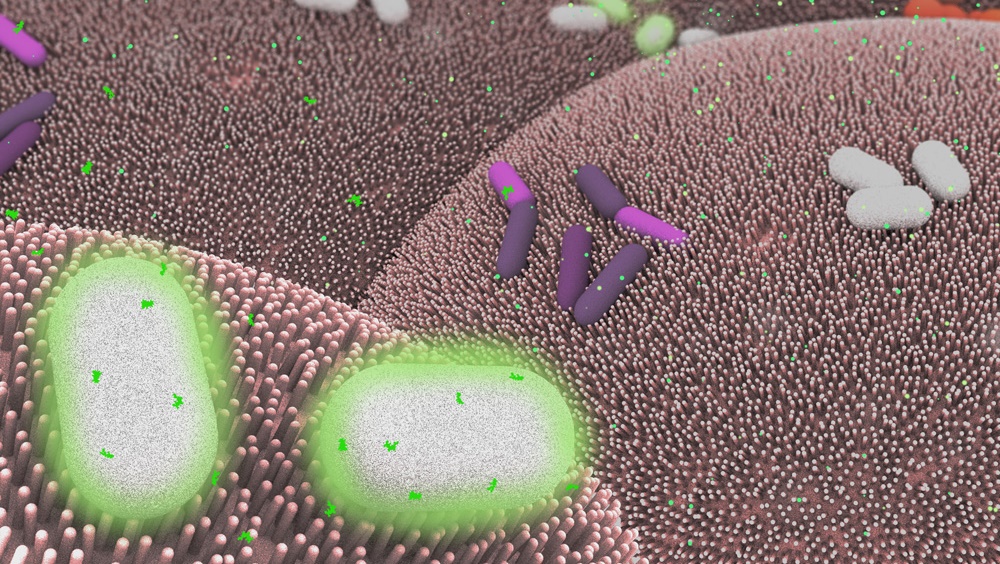
According to a new study published in the journal Cell Systems , researchers at MIT have  achieved just that by using gene expression and genome editing tools, such as CRISPR/Cas9, to modify and enhance gut bacteria, known as Bacteroides thetaiotaomicron, to attain a series of sensors, memory switches, and circuits!

By applying these basic computing elements, MIT has taken one extra step towards a future of bio-computing. Like previous attempts in building genetic circuits inside of organisms such as E. coli, researchers have targeted the gut bacterium B. thetaiotaomicron as a means of figuring out novel ways in delivering drugs throughout the body. However, unlike previous attempts in building genetic circuits, gut bacteria like B. thetaiotaomicron is much more preferable over E. coli, given the bacteria’s abundance in the human gut. For now, researchers are using mice, with long-haul expectations of human deliveries soon after. 

(PHOTO CREDIT:  JANET IWASA )

We achieve up to 10,000- fold range in constitutive gene expression and 100- fold regulation of gene expression with inducible promoters and use these parts to record DNA-encoded memory in the genome. We use CRISPR interference (CRISPRi) for regulated knockdown of recombinant and endogenous gene expression to alter the metabolic capacity of B. thetaiotaomicronand its resistance to antimicrobial peptides

Finally, we show that inducible CRISPRi and recombinase systems can function in B. thetaiotaomicron colonizing the mouse gut. These results provide a blueprint for engineering new chassis and a resource to engineer Bacteroides for surveillance of or therapeutic delivery to the gut microbiome.” –  Cell Systems Study by MIT

FUTURE IMPLICATIONS
The future of margin: 20px;bio-computing may not be fully comprehensible, given the fact that we’re still not entirely sure about the ins and outs of our own biological substrate, but one can surely agree that bio-computing will forever change the way we not only view our own biology, but subsequently how we use it as well. We are on a path towards merging “man” and “machine,” and with MIT’s latest attempts at engineering bio-cybernetic hybrids using our own gut bacteria, one can be rest assured that a future of bio-computing is closer than ever before! What applications can you think of in which we’ll use bio-computing in the next few decades?

Photo Credit: MIT

About the author
B.J. Murphy is the Editor and Social Media Manager of Serious Wonder. He is a futurist, philosopher, activist, author and poet. B.J. is an Advisory Board Member for the NGO nonprofit Lifeboat Foundation and a writer for the Institute for Ethics and Emerging Technologies (IEET).

ORIGIN: Serious Wonder
BY B.J. MURPHY

sábado, 2 de mayo de 2015

Could CRISPR Be the Magic Bullet?

You Can Be “On Target” and Still Fail to Win a Prize

Research scientists and tool suppliers in the life sciences continue to devote resources to CRISPR, which is still a relatively new tool. Much is still unknown, and the community needs a deeper understanding of the technology to better harness CRISPR for discovery and development as well as eventual clinical applications. [Thermo Fisher Scientific]

The research community’s rapid acceptance of the CRISPR/Cas technology is propelling a stage of deep investment in technology development. Already, three companies have emerged focusing on CRISPR therapeutic applications: 

To continue to move the technology forward, scientists recently converged at the CRISPR Precision Gene Editing Congress to discuss unmet needs and new findings. The event, which took place in Boston, devoted particular attention to overcoming specificity, efficiency, and delivery challenges associated with the CRISPR/Cas9 system.

Many of these challenges relate to the mechanisms a cell may use to repair CRISPR/Cas-induced double-strand breaks (DSBs). A cell has two pathway choices.

  1. Non-homologous end joining (NHEJ), an error-prone ligation process, can result in small insertions and deletions (indels) at cleavage sites, whereas 
  2. homology-directed repair (HDR) employs homologous DNA sequences as templates to make specific changes for precise repair. 
In most cells, NHEJ performs the majority of repair events.

Identifying and minimizing off-target events are major challenges. To meet these challenges, the Alt laboratory at Boston Children’s Hospital developed high-throughput genome translocation sequencing (HTGTS), an enzyme- and target-agnostic technique to rapidly expose potential off-target problems. Frederick W. Alt, Ph.D., and colleagues recently described the technique in an article that appeared in Nature Biotechnology.

The method robustly detects DNA DSBs generated by engineered nucleases across the human genome based on their translocation to other endogenous or ectopic DSBs,” the article read.HTGTS with different Cas9:sgRNA or TALEN nucleases revealed off-target hotspot numbers for given nucleases that ranged from a few or none to dozens or more, and extended the number of known off-targets for certain previously characterized nucleases more than 10-fold.

Sigma-Aldrich research scientists Greg Davis, Ph.D., and Fuqiang Chen, Ph.D., discuss genome-editing technologies and best practices.

When HTGTS was used to compare Cas9 nuclease and Cas9 paired nickases, paired nickases showed reduced off-target activity. Paired nickases were also assessed by scientists at Sigma-Aldrich.

We compared paired nickases to Cas9-FokI nucleases. Paired nickases have about a 10-fold increase in design density, the number of nucleases that target a specific sequence in the selected area,” commented Gregory Davis, R&D manager, molecular biotechnology. “The more nuclease options, the better the chances of finding an active one near site-restricted locations such as disease single-nucleotide polymorphisms (SNPs).

Like other companies, Sigma-Aldrich is evaluating methods to boost homologous recombination (HR) rates and inhibit NHEJ. Small molecules are being investigated, along with components of the DNA repair machinery such as mRNAs for RAD proteins. Enhancement techniques offer some improvement, but those improvements are not universally applicable to all cell types.

The company recently introduced a nuclease-based kinase knockout lentiviral library, but the challenge is increasing library screening effectiveness for cancer cell lines, which typically demonstrate some level of polyploidy. When the Cas9 nuclease library on the A459 lung cancer cell line was evaluated, a target diploid gene responded with a robust knockout, yet an expected knockout response for another gene was not seen. That particular gene turned out to be tetraploid.

Epigenetically based activators and inhibitors may be another approach, and the company is considering CRISPR-based gene regulation for inhibition or activation, CRISPRi or CRISPRa. Gene regulation may better simulate drugs that suppress activity and prove more effective than the nuclease-knockout method in lentiviral screening applications.

Measurement Systems
Droplet digital PCR (ddPCR), a next-generation polymerase chain reaction technology from Bio-Rad Laboratories, can provide rapid, low-cost, ultra-sensitive quantification of both NHEJ- and HDR-editing events.
HDR and NHEJ editing events generally occur at low frequencies, necessitating ultrasensitive techniques for detection and quantification of edited alleles. While some studies have relied on NGS, a next-generation PCR technology called droplet digital PCR (ddPCR) is providing researchers with rapid, low-cost, ultrasensitive quantification of both NHEJ and HDR editing events.

ddPCR has already been widely used for high-sensitivity and high-precision applications such as rare cancer mutation detection and copy number analysis, noted Jennifer Berman, Ph.D., staff scientist, Digital Biology Center, Bio-Rad Laboratories.

Since HDR and NHEJ editing events can occur at very low frequency (<1%), especially HDR in primary or induced pluripotent stem (iPS) cells, ddPCR appears to be a fit for researchers wanting a rapid, sensitive, quantitative readout of editing in cells and tissues. The technique also enables empirical validation of guide RNA efficiency and measurement of the ratio of HDR:NHEJ at a targeted locus.

ddPCR is one of the first sophisticated measurement systems for genome editing. The other option is sequencing, which is time-consuming, expensive and out of reach for most people,” explained Bruce Conklin, M.D., a senior investigator at the Gladstone Institute of Cardiovascular Disease and a professor of medicine at the University of California, San Francisco.

The Conklin laboratory works with iPS cells and is primarily interested in HDR, which is typically less than 1% of total alleles. A recent Nature Methods article by the group was the first demonstration that the genome could be changed one base at a time without any mark of an antibiotic reselection marker, a scarless replacement. Populations of cells that have a very rare cell with a single-base change are isolated using ddPCR as a measurement tool, then enriched sequentially, until a pure clone results, in a method termed sib-selection.

With our method, you can see if the mutation you want is there from the start,” asserted Dr. Conklin. “Single base changes cause many human genetic diseases. To figure out the problem, you want to be able to change one thing and see what happens.

We are also looking at ddPCR to quantify HDR and NHEJ simultaneously to isolate conditions where there is more HDR than NHEJ,” he added. “Conditions are different in every cell type, for each location, and we do not understand the rules.

Application to Animal Models
The Jackson Laboratory advises that the simplest way to create a knockout mouse model is to inject CRISPR/Cas reagents, including Cas9 mRNA and a single gRNA, into a mouse embryo.
Mouse models have the potential to quickly screen and build a causal relationship between sequence variations in humans and their phenotypes. Historically, either pronuclear injection of a transgene into a mouse embryo or conventional gene targeting using embryonic stem (ES) cells produced new models.

In 2013, a study led by Rudolph Jaenisch, M.D., a professor of biology at MIT and a founding member of the Whitehead Institute for Biomedical Research, culminated in a published work that was the first to describe a CRISPR/Cas-engineered animal species. CRISPR’s ability to engineer targeted mutagenesis in the genome directly on the zygotes circumvents the need for germline-competent ES cells, and appears to result in more predictable models in a fraction of the previous time and cost.

The simplest way to create a knockout model is to inject CRISPR/Cas reagents, including Cas9 mRNA and a single gRNA, into the mouse embryo. If a knockin alteration is small, the intended mutation can be accommodated into a donor oligonucleotide of the maximal size of 200 bps; for larger alterations that cannot be engineered into a donor oligonucleotide, such as incorporation of a reporter gene or a human sequence, a donor plasmid is often used.

We are now exploring the use of CRISPR for larger-scale genetic manipulation and humanization of the mouse genome. We do not know yet the size limitation of the genetic manipulation that you can introduce with the CRISPR/Cas technology,” discussed Wenning Qin, Ph.D., associate director of genetic engineering technologies, The Jackson Laboratory.

The Jackson Laboratory uses insertion of a fluorescent reporter gene into the Nanog locus, a gene expressed in early embryos, as the platform for parameter optimization. To determine if there were any off-target effects in addition to the on-target insertion of the reporter gene into the Nanog locus, two HDR mice carrying the reporter gene were genome sequenced, and evaluated minimally for the top 5,000 sites. No off-target effects were observed indicating that the CRISPR/Cas reagent used had a clean off-target profile among the examined sites.

Various means of enhancing the on-target efficiency of CRISPR/Cas9 modifications are being investigated by Taconic Biosciences. For example, the company is investigating the implementation of Cas9-orthologs to gain more flexibility in the choice of target sequences. It is also evaluating alternative delivery methods as well as experimental design and execution optimization.

To date, analyses have focused on evaluating on-target modifications. Nonetheless, various approaches to enhance specificity—for example, the use of Cas9 nickase, truncated sgRNAs, and Cas9 protein instead of mRNA—are being assessed. According to Jochen Welcker, Ph.D., senior manager of scientific development, improving the generation of more challenging types of alleles is a major development objective, and efficiency issues for specific applications need to be resolved.

For the generation of conditional knockout alleles, one obstacle is the efficient and correct integration of loxP-sites. Using ssODNs (single-stranded oligodeoxynucleotides) as donor material, for example, frequently leads to incomplete integration of the loxP-sites encoded by these ssODNs. The high efficiency of NHEJ-mediated deletion of the genomic region between the two loxP-sites is also a major hurdle as it leads to knockout alleles in up to 30% of the injected zygotes. The generation of complex knockin alleles is limited by the frequency of insertion/replacement of longer sequences by HDR.

Taconic has generated more than 200 humanized models by HDR. A drawback of this approach is the fact that only a single allelic variant can be modeled, while ever increasing amounts of human gene variants are being identified by genome-wide association studies (GWAS). Such variants can now be introduced quickly and efficiently, directly on existing humanized backgrounds by the use of CRISPR/Cas9 genome editing, making it possible to generate a whole range of human allelic variants from a single humanized-mouse model.

Bioinformatics Needs
Bioinformatics plays an important role in CRISPR advancement. No-charge informatics packages are available, such as eCRISP, MIT tool, Doench activity scoring, and Zifit, that tackle a portion of the informatics aspects to CRISPR design, and many commercial companies have simple design tools built into their reagent-ordering systems,” stated Eric Rhodes, chief technology officer, Horizon Discovery. “Our new tool, gUIDEbook, a collaboration between Horizon and DesktopGenetics, is the first free application to combine all three aspects of informed design.

First, all available protospacer adjacent motif (PAM) sites in a given region, which represent a potential gRNA design, must be found. Virtually all CRISPR design tools enable this and differ primarily in how the sequence is entered and user interface complexity. All programs essentially return the same information.

Second, off-target cutting potential by any given gRNA must be determined. Historically, searches found closely related sequences and scores were generated using weighting based on the number of mismatches, their location in the gRNA, and the number of occurrences in the genome. A new finding has demonstrated that “bulges” can occur in the matching of a gRNA to a potential target. More intensive searching is now required to identify all putative binding sites. The unknown is how likely an off-target identified by either method is actually going to be engaged.

The Doench algorithm, which is still early in its development, focuses solely on how much cutting activity a given gRNA design is likely to have. The algorithm calculates predictive scores on the basis of known guides and cutting activities. It does not account for off-target potential, so it has somewhat limited standalone value.

Delivery
Thermo Fisher Scientific supplies a complete workflow for gene editing and cell engineering that focuses on design, delivery, and analysis. Transfection-grade Cas9 protein and mRNA have been functionally tested in several cell lines, including iPS and ES cells, and both contain a nuclear localization signal (NLS) to aid in delivery. The GeneArt Cas9 Nuclease is extensively purified and quality controlled to remove nonspecific endonucleases and endotoxins.

According to Jason Potter, senior scientist of protein engineering, cell lines vary in how easily they can be transfected. With plasmids and mRNA, the cell must still process the transcripts and make Cas9 complexes before it can act. To simplify the process, the gRNA can be made and complexed with the transfection-grade Cas9 protein in vitro. After it is delivered by lipids or electroporation is used, the Cas9 complex is able to act once it reaches the nucleus. Analysis of the edited cells can then be done using the GeneArt Genomic Cleavage Detection kit or by sequencing.

Lipids, including Lipofectamine 3000, Lipofectamine RNAiMAX, and Lipofectamine MessengerMAX, have been used for delivery of plasmids and RNAs for years. Drawing on this knowledge of Cas9, the company has optimized lipid dosages and protocols for high transfection efficiency and low toxicity. Due to the exposed guide RNA component of the Cas9 complex, RNAiMAX also works for delivery of Cas9 protein. For electroporation, the key consideration is optimizing the voltage and pulse conditions for the cell line.

Gene Editing with Cas9 and Optimal Promoter
The Cas9 (CRISPR associated protein 9) system has gained significant interest due to its relative simplicity and ease of use compared to other genome-engineering technologies, according to many scientists. The CRISPR/Cas9 system requires a complex of the Cas9 protein with a trans-activating RNA (tracrRNA) and a gene-targeting CRISPR RNA (crRNA) or a single guide RNA (sgRNA, a chimeric form of tracrRNA with a crRNA).

Researchers at Dharmacon, now part of GE Healthcare, recently carried out a study on the efficiency of using synthetic crRNA and tracrRNA to introduce gene-editing events when co-transfected with a plasmid expressing Cas9. They explored the use of antibiotic and FACS methods for enrichment of cells that have undergone gene editing, and the use of multiple promoters to increase efficiency of gene editing with Cas9 and synthetic tracrRNA and crRNA.

The researchers reported that utilizing a highly active promoter for Cas9 expression enables better editing in specific cell lines. Enrichment of transiently transfected cells either by fluorescence-activated cell soring or puromycin selection can further improve the yield of edited cells, they added.

In addition, they concluded that efficient gene editing can be achieved with a three-component system: plasmid Cas9 and synthetic tracrRNA and crRNA. They also pointed out that use of synthetic tracrRNA and crRNA is a simplified method for gene editing of one or more genes without requiring any cloning steps, and that the three-component CRISPR/Cas9 system is amenable to high-throughput genome editing applications.

May 1, 2015 (Vol. 35, No. 9)