Mostrando entradas con la etiqueta Nanofabricación. Mostrar todas las entradas

jueves, 5 de diciembre de 2013

Viruses Build Piezoelectric Nanogenerator Through Self Assembly


Image: KAIST
Nanotechnology has opened up the possibility of building things like nature does: on the nanoscale. As such, biomimicry has been a guiding principle of nanomanufacturing.

But unlike natural processes, artificial synthesis of nanoscale structures has often required toxic and expensive conditions. Now researchers at the Korea Advanced Institute of Science and Technology (KAIST) say they've developed a synthesis process that can be done in a more natural way without the costly and extreme environments previously required.

What the researchers came up with uses a harmless, man-made virus, known as the M13 viral gene. The researchers modified it so that it acted as a template for a piezoelectric material, barium titanate (BaTiO3).

The research, which was published in the journal ACS Nano (“Virus-Directed Design of a Flexible BaTiO3 Nanogenerator”), demonstrated that they could build a high-performance, flexible nanogenerator from the piezoelectric material using the M13 viral gene as template for guiding self-assembly of the device.

"This is the first time to introduce a bio-templated inorganic piezoelectric material to a self-powered energy harvesting system, which can be realized through eco-friendly and efficient material syntheses," said Professor Keon Jae Lee from the Department of Material Science and Engineering at KAIST in a press release.

But, of course, using man-made viruses to guide the self-assembly of devices has long been the purview of Angela Belcher at MIT for over a decade. Nonetheless, we can’t quibble that this marks the first time that a virus template was used to create a nanogenerator. And it has a pretty respectable electrical output performance, claimed in the research paper to be about 300 nanoampere and 6 volts.

In fact, the real breakthrough of the research may be that the biosynthetic method that the KAIST researchers developed could open up new possibilities in bio-inspired self-assembly for applications ranging from thermoelectrics to biofuel cells.

ORIGINAL: IEEE Spectrum
By Dexter Johnson
Posted 5 Dec 2013

viernes, 16 de agosto de 2013

If You Think 3D Printing Is Disruptive, Wait for 4D

ORIGINAL: WSJ - Tech Europe
By Ben Rooney


3D printing will have a direct economic impact of between $230 and $550 billion a year in 2025, according to a report by McKinsey & Company.
Every now and then you come across a technology, or a mooted technology, that sounds so far-fetched, so outlandish that it belongs with proper flying cars and the paperless office. Things that will never happen.

Agence France-Presse/Getty Images
The idea of “printing” objects, so-called 3D printing once seemed pretty outlandish but it has already made the voyage from science fiction to startup. According to a recent report by analysts McKinsey & Company, “Disruptive technologies: Advances that will transform life, business, and the global economy,” 3D printing will have a direct economic impact of between $230 billion and $550 billion a year in 2025.
But if you think 3D printing is disruptive, then what about a technology that could in the view of one of its main evangelists “make the world editable.” That is disruption.

That technology is 4D printing3D printing but with designs that continue to evolve after manufacture. That really does sound far-fetched. But then a rocket was never supposed to be able to leave the Earth’s atmosphere and four-member guitar bands were never going to be big.

According to Jeff Kowalski, chief technology officer for Autodesk, Inc., the very earliest building blocks for that future are in place today.

Before we stray into to that extra dimension, what do we mean by 3D printing? Additive printing, as it sometimes known, is the opposite of conventional, subtractive, production. Say you want to make a metal part. Normally, you start with a large block of metal and mill, drill and grind bits off. To 3D-print that same part you start with a metal powder and, in much the same way as a bubble jet printer builds up a 2D image one row at a time, a 3D printer builds up the part one layer at a time. Using fusion techniques the metal powder becomes a solid.

That changes the economics of complexity. “Historically, the cost of objects has been determined by the number of processed steps. The number of times I have to touch the mill … that’s what affects the price,” Mr. Kowalski said. But in 3D printing “whether you’re just making a cubic solid block, or a highly filigreed whatever it might be” the price is the same. “Complexity turns out to be free,” he said.

But the problem with objects today, conventionally manufactured or produced by 3D printers, is that they are unchanging. “When we make most items today, that’s the end of their definition. Take a backpack, it achieved ‘backpackness’ when it was manufactured,” Mr. Kowalski said.

What 4D printing offers is the opportunity for objects to change, to adapt to their environment, to respond.

Earlier this year, Skylar Tibbits, director of the Massachusetts Institute of Technology Self-Assembly Lab, created a bit of a stir with his talk on 4D printing.

We are looking at the ability to program physical and biological materials to change shape, change properties and even compute outside of silicon-based matter,” Mr. Tibbits told the TED conference in February. He demonstrated a string of 3D-printed smart materials that reacted when it came into contact with water by folding into a cube.

Imagine if water pipes could expand or contract to change capacity or change flow rate; or maybe undulate like peristalsis to move the water themselves,” he said.

Mr. Tibbits is talking about the macro level. What Mr. Kowalski is taking about is design at the cellular level. He is about taking the tools nature uses to make things and essentially re-programming them. Nature makes objects by re-arranging disordered structures into ordered ones. Doesn’t that sound a lot like 3D printing? Except your base material isn’t powdered metal, it is molecules, and you don’t use a 3D printer, you use natures own factory — cells. That puts design at the junction of material science and synthetic biology.

The key is instructing that factory, understanding DNA, being able to predict what is going to happen at the metabolic level and at the environmental level,” Mr. Kowalski said.

In some cases we will need to understand the interior, the pathway, the chemistry of what is going on. In other areas we will not need to understand that chemistry, we can treat it more as the black box and simply address it. We know that for example this sequence, followed by this sequence, will produce this effect.

The cell can be programmed to make molecules, that’s what cells do. So we can make other materials, even ones that plants and animals don’t make today if we find the right instruction for it to ‘print’.If cells can manipulate calcium compounds to make bones, can they manipulate other molecules to make other structures?

DNA sequencing, reading the genome, has gone from taking years and costing millions, to costing thousands. “The next step after sequencing is annotation, where we scan through that massive six billion letters and we figure out what does what. After that it really becomes a design problem of recombination. It’s like code, like computer programming with libraries and APIs.

It still sounds utterly fanciful and like science fiction, and Mr. Kowalski jumped rather quickly through the difficult part: “We figure out what does what.” That is a task of Herculean proportion.

But work has already started, and even today with just a minute proportion completed you can create your own DNA and have it synthesized. The Israeli startup Genome Compiler has a drag-and-drop editor that literally allows you to pick-and-mix bits from genomes to create new DNA that can be synthesized. Want a plant that glows in the dark? There is a sequence for that.

Additional Resources for you to Explore
http://selfassemblylab.net/ 


Skylar Tibbits is a trained Architect, Designer, Computer Scientist and Artist whose research focuses on developing self-assembly technologies for large-scale structures in our physical environment. Skylar is currently a faculty member in MIT's Department of Architecture, teaching graduate and undergraduate design studios and co-teaching How to Make (Almost) Anything, a seminar at MIT's Media Lab. Skylar was recently awarded a TED2012 Senior Fellowship, a TED2011 Fellowship and has been named a Revolutionary Mind in SEED Magazine's 2008 Design Issue. 

Previously, he has worked at a number of renowned design offices including: Zaha Hadid Architects, Asymptote Architecture and Point b Design. He has designed and built large-scale installations around the world, including locations in New York, Philadelphia, Paris, Calgary, Berlin, Frankfurt, Long Beach, Edinburgh and Cambridge. He has also exhibited work at prestigious institutions, including; The Guggenheim Museum NY, the Beijing Biennale, Storefront for Art and Architecture and lectured at MoMA and SEED Media Group's MIND08 Conference.  

He has been published extensively online and in print outlets such as the New York TimesWiredNatureFast Company, various peer-reviewed journals and books including: Fabricate: Making Digital ArchitectureDigital ArchitectureTesting to FailureScripting Cultures and Form + Code. As a guest critic, Skylar has visited schools around the world including; The University of Pennsylvania, The Institute for Computational Design, The Architectural Association, Pratt Institute and Harvard's Graduate School of Design.

Skylar graduated from Philadelphia University with a 5 yr. Bachelor of Architecture degree and minor in experimental computation. Continuing his education at MIT, he received a Masters of Science in Design + Computation and a Masters of Science in Computer Science under the guidance of advisors; Patrick Winston, Neil Gershenfeld, Erik Demaine and Terry Knight.

Skylar is also the founder and principal of a multidisciplinary architecture, art and design practice, SJET LLC. Started in 2007 as platform for experimental computation and design, SJET has grown into a research-based practice crossing disciplines from architecture, design, sculpture, fabrication, computer science, toys to robotics.

domingo, 4 de agosto de 2013

Cell-targeting automata, mimicking QM, DNA analysis via Phone, brain-to-brain interface, nanoribbons, cell reprogramming, amazing microfluidics. Science Sunday. Digest 26 - 4th Aug 2013.

ORIGINAL: Mark Bruce

SciTech #ScienceSunday Digest 26 - 4th Aug 2013.

1. Molecular Automata Improve Cell Targeting.By linking specific antibodies to specific short DNA sequences termed “molecular automata” unique subpopulations of cells can be targeted and identified http://www.hss.edu/newsroom_molecular-robots-build-targeted-therapeutics.asp. In a proof-of-concept with human blood samples researchers were able to target specific subpopulations of white blood cells. The antibody component binds to the desired receptor expressed on the cell surface, while the DNA component is a linker molecule that can fluoresce. By adding a number of different “automata” you can progressively select only those cells that express those particular receptors on their surface and no others; the DNA strands from the different automata go through complementary binding due to their proximity and fluoresce, enabling them to be identified and separated. This is a great addition of modularity into cell and drug targeting technology - individual advances in drug carriers and cell targeting are now possible and complimentary.

2. Mimicking Quantum Mechanics with Fluid Dynamics.The fluidic analogue of a classic quantum experiment has been produced, but instead of electrons being confined by a circular ring of iron atoms, bouncing fluid droplets are confined in a dish http://web.mit.edu/newsoffice/2013/when-fluid-dynamics-mimic-quantum-mechanics-0729.html. In this deceptively simple experiment the fluid droplets were shown to mimic the statistical behaviour of electrons with remarkable accuracy; the same distribution appeared in both systems. This provides evidence for de Broglie’s Pilot Wave theory - at least for fluid droplets bouncing along vibrating fluid baths, driven by interfering waves produced by their own bounces. The video is worth a watch The pilot-wave dynamics of walking droplets.

3. DNA Analysis on Your Smartphone.A company called Biomeme is to launch a new smartphone docking station that plugs into your phone and makes use of its processing power to perform real-time DNA analysis http://www.medgadget.com/2013/07/mobile-real-time-dna-analysis-on-your-smartphone.html. The dock takes biological samples and allows your phone to conduct PCR on the sample and subsequently determine the presence of specific DNA sequences of interest that are linked to pathogens or other diseases. Cheap ultra-mobile and portable DNA analysis would be quite a game-changer for many applications. Detecting single DNA point-mutations is getting easier too http://www.washington.edu/news/2013/07/28/breakthrough-in-detecting-dna-mutations-could-help-treat-tuberculosis-cancer/.

4. Non-Invasive Brain-to-Brain Communication Allows Mind Control of Rat’s Tail.The first brain-to-brain interface between a human and a rat has been demonstrated and, in a proof-of-concept study allowed the human to mind-control the movement of the rat’s tail http://www.plosone.org/article/info:doi/10.1371/journal.pone.0060410. The article includes a nice embedded video showing the experimental setup of how an animal’s body was remote-controlled by someone else's brain - still very rudimentary but such capabilities will only get easier and better with time. A new technique can also measure neuronal activity at a faster rate http://blogs.princeton.edu/research/2013/07/25/a-faster-vessel-for-charting-the-brain-nature-communications/.

5. New Meniscus Lithography Creates Long Graphene Nanoribbons.Long graphene nanoribbons can now be created easily and cheaply using a new water-enabled lithographic technique that uses water or the meniscus of at a water interface as a mask http://news.rice.edu/2013/07/29/water-clears-path-for-nanoribbon-development/. The new technique allows sub-10nm nanoribbons to be constructed and built into field-effect transistors using much cheaper fabrication equipment. In future work the group aims to improve the technique to produce ribbons of uniform thickness and controllable edge state to better define the electronic properties. Graphene supercapacitors are moving along nicely http://monash.edu.au/news/show/soft-approach-leads-to-revolutionary-energy-storage.
A thin line of platinum sits atop a substrate. The metal nanowire was created with a new meniscus mask process discovered at Rice University. Image by Tour Group/Rice University

6. Computer Model Predicts How to Change Cell Differentiation.A new computer model can make accurate predictions concerning which differentiated cells can be efficiently changed into different cell types - from skin to nerve cells for example http://wwwen.uni.lu/universite/actualites/a_la_une/cells_reprogrammed_on_the_computer. This is a big step in computational biology, for producing computer-based instructions for reprogramming cells for various applications. Previously such differentiated cell conversions required a precisely delivered cocktail of factors that largely arose as a result of trial and error. Now, with the new model, this trial and error approach has been replaced by calculations that determine which genes, at what time, and in what order need to be switched on to achieve the desired results; these predictions were proved accurate in the lab.

7. Microfluidic Breakthrough: Merging, Transporting, Splitting Addressable Microdroplets.In a big step for microfluidics a new microfluidic system is able to merge, transport, and split microdroplets on the chip over long timescales and involving potentially thousands of operations on each of the hundreds of addressable microdroplets http://phys.org/news/2013-07-microfluidic-breakthrough-biotechnology.html. The droplets are addressable by each having a unique optoelectronic identifier that allows the user to monitor, at any time, what chemical operations have been performed on each droplet. The prototype system successfully manipulated and analysed microdroplets that were each loaded with thousands of bacteria - they showed that bacteria were confined to their original droplet and could not move to others.

8. Controllably Binding Together Atoms that Repel.By adding a controlled amount of energetic noise into a system atoms that normally repel one another can be made to form a strong and stable bond http://phys.org/news/2013-07-repelling-atoms.html. The addition of the controlled noise into the quantum system of the atoms, in this case from vacuum fluctuations from the electromagnetic field, induces an interference phenomenon that traps the atoms and forces them into a robust bond. The group quotes possible applications in cooling atomic quantum gases but this is tapping into a new natural phenomenon - if we can understand it more completely and achieve mastery it will open the way to interesting new technologies.

9. Guided Self-Assembling, Self-Integrating Nanowire Circuits.A new technique for growing nanowires not only allows nanowires to be grown in ordered horizontal arrays, but to be guided to automatically assemble into transistors and then subsequently “self-integrate” to form logic circuits http://phys.org/news/2013-07-growth-nanowires-self-integrated-circuits.html. The advance makes it possible to determine the arrangement of nanowires in advance to suit the desired electronic circuit that the user wishes to make. This is a great example of controlled bottom-up assembly of complex structures.

10. A Cheap Billion-Pixel Microscope.A new computational image-processing method allows a standard microscope to be fitted-out with $200 worth of add-ons and become a billion-pixel imaging system that can outperform the best standard microscopes http://www.caltech.edu/content/pushing-microscopy-beyond-standard-limits. The system allows both large fields of view and very high resolution - basic tests showed it could produce 100 times more information than the unmodified systems, and improve the performance of a 2x objective lens to the level of a 20x objective lens. The system actually measures both light intensity and phase from different angles . . . and because it measures the phase I wonder if this might find application in holography? 
The Yang lab's new microscope setup (left). A raw image taken with a 2X objective lens is shown (top right) along with the reconstructed image produced by the new microscope setup (bottom right).
Credit: Guoan Zheng. CalTech


The weekly SciTech Digests are also available as a Google Currents Edition here:
https://www.google.com/producer/editions/CAow4-hB/scitech_digest

+ScienceSunday, with your hosts +Buddhini Samarasinghe, +Rajini Rao, +Chad Haney, +Allison Sekuler
2013-08-04
2 photos

miércoles, 22 de mayo de 2013

Extracting human DNA with full genetic data in minutes

ORIGINAL: KurzweilAI
May 13, 2013

Hand-held device for extracting DNA (credit: UW/NanoFacture/KNR)
University of Washington engineers and NanoFacture, a Bellevue, Wash., company, have created a device that can extract human DNA from fluid samples in a simpler, more efficient and environmentally friendly way than conventional methods.

The device will give hospitals and research labs a much easier way to separate DNA from human fluid samples, which will help with genome sequencing, disease diagnosis and forensic investigations.

Separating DNA from bodily fluids is a cumbersome process that’s become a bottleneck as scientists make advances in genome sequencing, particularly for disease prevention and treatment. The market for DNA preparation alone is about $3 billion each year.

Conventional methods use a centrifuge to spin and separate DNA molecules or strain them from a fluid sample with a micro-filter, but these processes take 20 to 30 minutes to complete and can require excessive toxic chemicals.

A close-up view of the portable device (credit: UW/NanoFacture/KNR)

UW engineers designed microscopic probes that dip into a fluid sample – saliva, sputum or blood – and apply an electric field within the liquid. That draws particles to concentrate around the surface of the tiny probe. Larger particles hit the tip and swerve away, but DNA-sized molecules stick to the probe and are trapped on the surface. It takes two or three minutes to separate and purify DNA using this technology.

This simple process removes all the steps of conventional methods,” said Jae-Hyun Chung, a UW associate professor of mechanical engineering who led the research.

The hand-held device can clean four separate human fluid samples at once, but the technology can be scaled up to prepare 96 samples at a time, which is standard for large-scale handling.

The tiny probes, called microtips and nanotips, were designed and built at the UW in a micro-fabrication facility where a technician can make up to 1 million tips in a year, which is key in proving that large-scale production is feasible, Chung said.

Engineers in Chung’s lab also have designed a pencil-sized device using the same probe technology that could be sent home with patients or distributed to those serving in the military overseas. Patients could swab their cheeks, collect a saliva sample, then process their DNA on the spot to send back to hospitals and labs for analysis.

This could be useful as efforts ramp up toward sequencing each person’s genome for disease prevention and treatment, Chung said.

The market for this device isn’t developed yet, but Chung’s team will be ready when it is. Meanwhile, the larger device is ready for commercialization, and its creators have started working with distributors.

A UW Center for Commercialization grant of $50,000 seeded initial research in 2008, and since then researchers have received about $2 million in funding from the National Science Foundation and the National Institutes of Health.


miércoles, 20 de marzo de 2013

Harvard's Wyss Institute and Sony DADC Announce Collaboration on Organs-on-Chips

ORIGINAL: Wyss Institute
Date: Mar 18, 2013

Boston, MA -- Today the Wyss Institute for Biologically Inspired Engineering at Harvard University and Sony DADC announced a collaboration that will harness Sony DADC's global manufacturing expertise to further advance the Institute's Organs-on-Chips technologies. 
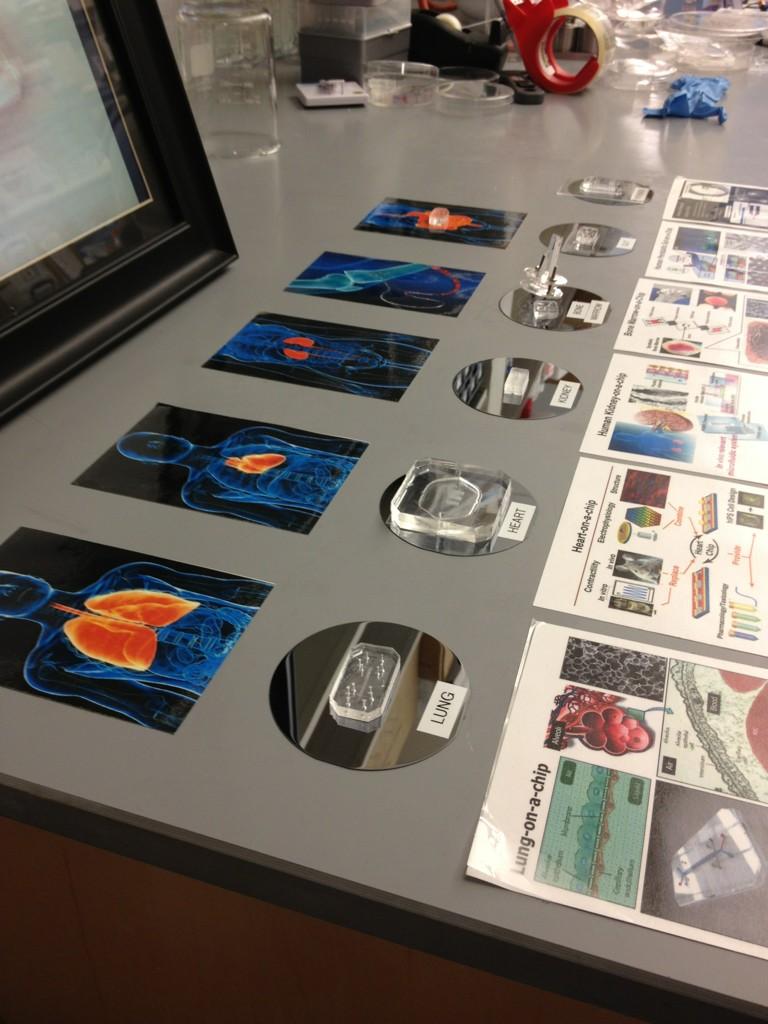
Human Organs-on-Chips are composed of a clear, flexible polymer about the size of a computer memory stick, and contain hollow microfluidic channels lined by living human cells -- allowing researchers to recapitulate the physiological and mechanical functions of the organs, and to observe what happens in real time. The goal is to provide more predictive and useful measures of the efficacy and safety of new drugs in humans -- and at a fraction of the time and costs associated with traditional animal testing.

"We are excited to apply Sony DADC's deep manufacturing expertise to confront one of the major challenges in the life sciences by helping to accelerate the translation of the Wyss Institute's Organ-on-Chips from the benchtop to the marketplace," said Christoph Mauracher, Senior Vice President of the BioSciences division of Sony DADC. "The Organs-on-Chips have the potential to revolutionize testing of drugs, chemicals, toxins and cosmetics."


This collaboration builds on the momentum the Wyss Institute team has gained recently on its Organs-on-Chips research program. With support from Defense Advanced Research Projects Agency (DARPA)*, National Institutes of Health (NIH), Food and Drug Administration (FDA), and pharmaceutical partners, more than ten Organs-on-Chips are currently under development at the Wyss Institute, including a lung, heart, liver, kidney, bone marrow, and gut-on-a-chip; there is also a major effort to integrate these organ chips into "human body on-chips" that mimic whole body physiology.

In February, Wyss Founding Director Don Ingber, M.D., Ph.D., who leads the Organs-on-Chips research program, received the prestigious 3Rs Prize from the UK's National Centre for the Replacement, Refinement and Reduction of Animals in Research for the lung-on-a-chip. This month, the Society of Toxicology awarded him the Leading Edge in Basic Science Award for his "seminal scientific contributions and advances to understanding fundamental mechanisms of toxicity."

"Our work with Sony is a wonderful example of the Wyss Institute model in action," said Ingber. "We collaborate with industry to help de-risk the technologies we develop, both technically and commercially, and therefore expedite their translation into real world applications."

###

*Part of this research was sponsored by the U.S. Army Research Office (ARO) and DARPA; the views and conclusions contained in this document are those of the authors and should not be interpreted as representing the official policies, either expressed or implied, of ARO, DARPA or the U.S. Government.

Contacts
Wyss Institute for Biologically Inspired Engineering 
Kristen M. Kusek
+1 617-432-8266
Kristen.kusek@wyss.harvard.edu 

Sony DADC
Manfred Koranda
+43 6246 880 8143
manfred.koranda@sonydadc.com

domingo, 13 de enero de 2013

Molecular machine could hold key to more efficient manufacturing

ORIGINAL: U Manchester
11 Jan 2013

An industrial revolution on a minute scale is taking place in laboratories at The University of Manchester with the development of a highly complex machine that mimics how molecules are made in nature.

The artificial molecular machine developed by Professor David Leigh FRS and his team in the School of Chemistry is the most advanced molecular machine of its type in the world. Its development has been published in the journal Science.

Professor Leigh explains: “The development of this machine which uses molecules to make molecules in a synthetic process is similar to the robotic assembly line in car plants. Such machines could ultimately lead to the process of making molecules becoming much more efficient and cost effective. This will benefit all sorts of manufacturing areas as many man made products begin at a molecular level. For example, we’re currently modifying our machine to make drugs such as penicillin.” 

The machine is just a few nanometres long (a few millionths of a millimetre) and can only be seen using special instruments. Its creation was inspired by natural complex molecular factories where information from DNA is used to programme the linking of molecular building blocks in the correct order. The most extraordinary of these factories is the ribosome, a massive molecular machine found in all living cells.

Professor Leigh’s machine is based on the ribosome. It features a functionalized nanometre-sized ring that moves along a molecular track, picking up building blocks located on the path and connecting them together in a specific order to synthesize the desired new molecule


First the ring is threaded onto a molecular strand using copper ions to direct the assembly process. Then a “reactive arm” is attached to the rest of the machine and it starts to operate. The ring moves up and down the strand until its path is blocked by a bulky group. The reactive arm then detaches the obstruction from the track and passes it to another site on the machine, regenerating the active site on the arm. The ring is then free to move further along the strand until its path is obstructed by the next building block. This, in turn, is removed and passed to the elongation site on the ring, thus building up a new molecular structure on the ring. Once all the building blocks are removed from the track, the ring de-threads and the synthesis is over.

Professor Leigh says the current prototype is still far from being as efficient as the ribosome:The ribosome can put together 20 building blocks a second until up to 150 are linked. So far we have only used our machine to link together 4 blocks and it takes 12 hours to connect each block. But you can massively parallel the assembly process: We are already using a million million million (1018) of these machines working in parallel in the laboratory to build molecules.

Professor Leigh continues: “The next step is to start using the machine to make sophisticated molecules with more building blocks. The potential is for it to be able to make molecules that have never been seen before. They’re not made in nature and can’t be made synthetically because of the processes currently used. This is a very exciting possibility for the future.” 

Notes for editors
A short video that illustrates the machine and how it works is available from the press office.
It can also be viewed on the university’s YouTube page here
Images can also be obtained from the press office. 
Professor David Leigh is available for interviews on Friday 11 January. 
The paper “Sequence-Specific Peptide Synthesis by an Artificial Small-Molecule Machine” will be published in Science on Friday 11 January. 

For more information and image or interview requests please contact: 
Morwenna Grills
Media Relations Officer
Faculty of Engineering and Physical Sciences
The University of Manchester 
Tel: 0161 275 2111
Mobile: 07920 087466

lunes, 7 de enero de 2013

Building a body, one organ chip at a time

ORIGINAL: Vector
by TOM ULRICH
JANUARY 4, 2013

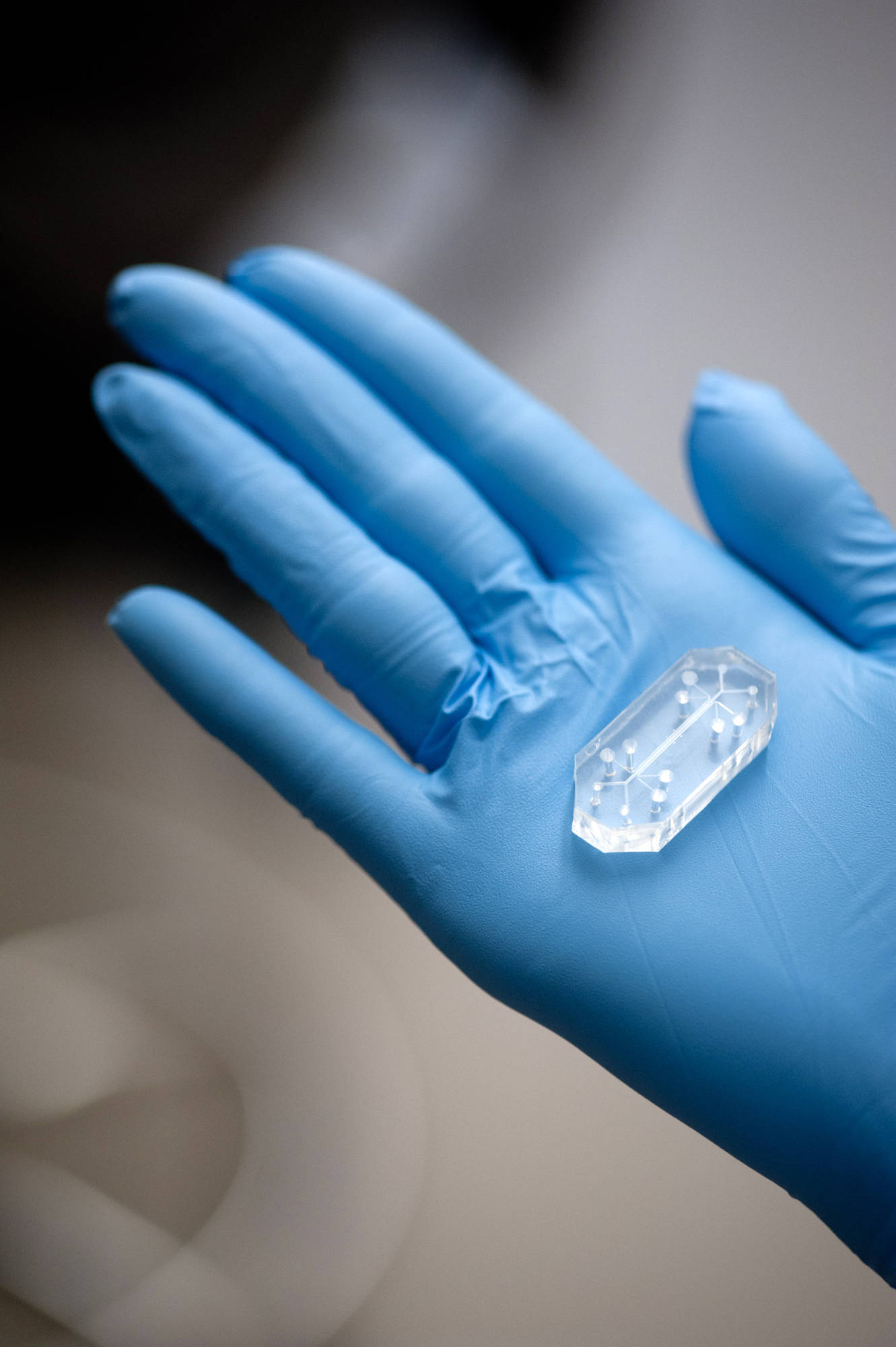
It may not look like it, but it's a lung, just in chip form
They don’t look like much sitting in your hand. A few pieces of clear plastic, each smaller than an Altoids tin, with channels visible inside and holes for plugging tubing into them.

But fill them with cells and treat those cells the right way, and they turn into something amazing: tiny hearts, lungs, guts, kidneys.

They’re “organs on chips,” and they represent what’s probably the most comprehensive effort to date to physically model the functions of whole organs for drug development and disease research.

Developed by a team of biologists and engineers led by Donald Ingber, MD, PhD, a member of Boston Children’s Hospital’s Vascular Biology Program and director of the Wyss Institute for Biologically Inspired Engineering at Harvard, they’re the building blocks for an ambitious project to create an artificial multi-organ system—essentially, a whole body on a chip.

Each of the chips—Ingber’s team is currently developing 10 different organs—is built using microfabrication techniques like those common in the semiconductor industry.This allows us to create features and structures that we can control at the size scale in which cells live, and also apply physiological fluid flows and mechanical forces,” Ingber explains. “We have precise control over where cells live in the device and what they experience.

Going through the motions
The two features Ingber mentioned, flow and force, are instrumental in faithfully mimicking organ function. His lung on a chip, for instance, has a central microfluidic channel that is split into two parallel channels by porous flexible membrane. One side of the membrane is coated with human lung “air sac” cells (over which air can pass), the other with human lung capillary blood vessel cells. A combination of pumps subject the cells to the sensations of continuous blood flow and rhythmic breathing by moving culture medium through the blood vessel channel and applying suction that deforms the cell-coated membrane.

This video from the Wyss Institute explains in more detail:


Those forces incite dramatic responses from the cells in the chips. “You can put endothelial [blood vessel] and epithelial [air sac] cell cultures together, but they won’t reflect the range of functions you see in a real lung,” Ingber says. “This is because respiratory physiology relies on the mechanics of breathing and blood flow.

For instance, once we added breathing motions to the chip,” he adds, “the epithelial cells started producing surfactant, just like what happens in the lining of a normal lung when a baby takes its first breath.
“[O]nce we added breathing motions to the [lung] chip, the epithelial cells started producing surfactant, just like what happens…when a baby takes its first breath.”
Similarly, Ingber’s lab recently revealed that breathing motions were essential for using the lung chip to mimic the pulmonary edema (fluid leakage from blood vessels into the lungs) that occurs in some cancer patients treated with the drug interleukin-2—the first demonstration that chips could model a complex human disease, as well as a drug toxicity.

Ingber’s team has also developed a chip that models the complex environment of the human gut—including its microbial inhabitants. “Once we added a trickling flow of medium and peristaltic motions, the cells in the chip started forming structures similar to intestinal villi,” he says. “Now we’ve added bacteria, and can start to study the relationship between the microbiome and human intestinal disease processes.

Ingber's expanding repertoire of organs-on-chips could soon be linked together to create a whole body on a chip.
With a host of chips now in hand, Ingber and his team are now working with the federal Defense Advanced Research Project Agency to create a system for linking chips representing different organs together. The system will allow broader study of organ physiology and also how drugs affect multiple organs—the first step toward simulating a complete living body.

We want to be able to administer a drug via the ‘gut’ or ‘lungs,’ see how it is metabolized by the ‘liver,’ excreted by the ‘kidney,’ and whether it causes toxicity in the ‘heart,’” says Ingber. “We also want to model a broad range of disease states, like asthma, Crohn’s, radiation exposure and so on.

He’s also talking to the Food and Drug Administration about potentially accepting organ-on-chip data as part of the drug approval process in addition to or, in the future, in lieu of animal data.We’ve only just started the discussion, but we hope they’ll one day accept human organ chip data instead of certain animal studies, just as they’ve begun to accept biomarker data.


domingo, 6 de enero de 2013

Going below 0K, genomic editing, molecular motors, mechanochemistry, cellular reprogramming, and others.

ORIGINAL: SciTechDigest
SciTech #ScienceSunday Digest 1 - 
6th Jan 2013

1. Conceptualising Negative “Absolute” Temperatures.
Physicists have used finely controlled magnetic fields and lasers to force the temperature of a gas to be colder than absolute zero, i.e.minus a few billionths of a degree below zero Kelvinhttp://phys.org/news/2013-01-gas-temperature-absolute.html andhttp://www.nature.com/news/quantum-gas-goes-below-absolute-zero-1.12146. This is of course intriguing, but depends crucially on the definition of temperature and entropy. The matter itself is apparently not at temperatures below zero Kelvin but rather on average the system as a whole exhibits an average temperature that can be measured as below zero - this actually depends on heating the particles up while driving their entropy down. Negative temperatures imply negative pressures and so this naturally leads to stimulating speculation on how this finding might be applied to things like dark energy, new forms of matter, repulsive gravity and mass, warping space, wormholes, and Alcubierre drives. h/t +Ninja On Rye

2. More Precise Genomic Editing.
By modifying a set of bacterial proteins that normally defend against viral invaders researchers created a system that can alter several genome sites simultaneously and can achieve much greater control over where new genes are insertedhttp://web.mit.edu/newsoffice/2013/editing-the-genome-with-high-precision-0103.html. This approach can be used to disrupt a gene or replace it with a new one; the specific sequence of the RNA component allows the easy programming of a nuclease to target one or more positions in the genome. The genetic components have been deposited with a nonprofit to be made widely available to other researchers via http://crispr.genome-engineering.org/ and so we now have a cheaper, easier-to-use, more precise and accurate, widely available system that can be used to engineer a wide range of organisms for countless biotechnology and synthetic biology applications. I’ve gotten the occasional cold sore since I was a child and so would love something like this to target the HSV code buried in some cells. 

3. A Molecular Motor Rotating on an Atomic Ball Bearing.
Title says it all. Some very clever chemists created two complex individual molecules (i) a base with three legs joined to a boron and ruthenium atom, and (ii) a top with five arms joined to a five atom ring in the centre http://arstechnica.com/science/2012/12/single-molecule-motor-sits-on-a-single-atom-ball-bearing/ (image 2). When the 5-armed molecule was placed on the ruthenium atom a scanning tunnelling microscope was used to inject electrons into the system and controllably cause the top molecule to rotate clockwise and anticlockwise. I’m wondering whether this little molecular motor might be used as a switch (it can be moved in one-arm increments) in some form of ultra-dense mechanical computer memory or processing element? h/t +iPan Baal


4. On Progress to Superhuman Immune Systems.
In a type of study that is becoming increasingly common, researchers took mature immune cells from a patient, treated them with a known cocktail of factors to turn them into induced pluripotent stem cells, replicated / expanded the population of cells, and turned them back into the same type of cell but these new cells exhibited rejuvenated characteristics of lifespan and growth potential while retaining the ability to target cancer cells and HIV-infected cellshttp://www.fightaging.org/archives/2013/01/why-not-infuse-a-person-with-many-many-many-immune-cells.php. Reason from FightAging! posits that it is surely only a matter of time before we safely imbue a person with rejuvenated populations of 2, 5, or even 10 times as many immune cells as we normally have. 

5. A Topological Recipe Book for New Materials.
Researchers showed that they can create a recipe book to build new materials using the mathematics of topology (whose properties that do not change when an object is continuously deformed)http://www.colorado.edu/news/features/physicists-research-creates-recipe-book-new-materials (image 1). They created a colloid by injecting tiny differently-shaped particles (that represent fundamental building-block shapes in topology) into a liquid crystal to create a novel substance that behaves somewhat like a liquid and somewhat like a solid. The new material adhered to existing mathematical topology theorems and should open the door to a range of new materials in this space. 


6. Uncovering Drug Side Effects Before Drug Trials.
A research group has created a computational / simulation tool that rapidly screens drug structures against a library of known protein structures in order to identify likely unwanted interactions and deleterious side-effects http://phys.org/news/2013-01-method-uncovering-side-effects-drug.html. The proof-of-concept correctly predicted 969 side-effects of 658 drugs that are in widespread medical use, and also identified possible side effects for many uncharacterized experimental molecules. The new method could be helpful in uncovering serious side effects early in the development and testing of new drugs and so avoid costly investment in trials and marketing, ideally leading to cheaper medications and a quicker and improved regulatory process. 

7. Smart Drug Design Reverses Alzheimer’s Symptoms and Restores Memory Loss.
A new drug candidate derived from the regulator of a key brain enzyme called Cdk5 - overactivation of which is implicated in plaque formation - was shown to restore memory loss and reverse symptoms of Alzheimer’s disease in mice (engineered to develop the disease) when injected http://www.eurekalert.org/pub_releases/2013-01/foas-pcr010213.php. The mice experienced no signs of side-effects and the group is planning to conduct human trials with the hope of demonstrating the same effect in humans. The more we understand biology, the greater mechanistic insight we uncover into the workings of various molecular pathways and the structure of the molecules involved the more advances like this will be uncovered and developed: rationally designed molecular mimics or segments of natural molecules designed to plug and interfere with diseased proteins and enzymes. 

8. Mechanochemistry and Molecular Levers.
Researchers exploring stress-responsive materials discovered a particular molecular backbone that can act like a lever to open a molecular ring embedded within it when microscopic tweezers are used to grab onto two parts of the atomic chains and pull them so that they break open and react in certain spots http://phys.org/news/2012-12-molecular-levers-materials.html. In some cases these mechanically-induced chemical reactions occurred orders of magnitude faster than predicted. Advances like this obviously bring to mind Drexler’s nanomachanical chemical fabricators - a billion pushes and pulls per second producing a billion new molecular products. 

9. Instructing Scar Tissue to Change Itself into Healthy Tissue.
By using a cocktail of three specific genes researchers have used gene therapy to reprogram the scar tissue cells on a damaged heart into functional muscle cells, while the addition of a fourth gene stimulated the growth of blood vessels to enhance the effect 
http://www.fightaging.org/archives/2013/01/instructing-scar-tissue-to-change-itself-into-healthy-tissue.php. So here we have a specific gene therapy, targeted to a specific population of cells (heart scar tissue) and turning these cells into more useful cells in order to repair an organ (the heart) and attain a close-to-normal healthy functioning organ. No cells, no drugs, just injected remote cellular reprogramming. 

10. Nanowire Arrays for Better Piezoelectric Energy Generators.
Researchers developed a nanogenerator consisting of an array of vertically aligned nanowires that, when deformed by an impact or twist induces a piezoelectric production of electronshttp://phys.org/news/2013-01-nanogenerator-output-triples-previous.html. The proof-of-concept work included producing enough energy to turn on an LED light, and the much more interesting case of the flick of a finger being enough to activate the nerves of a frog’s leg and cause a kick - the embedded video in the linked page is worth a watch. 

An archive of 2012 SciTech Digests can be found here: http://www.scitechdigest.net/

lunes, 17 de diciembre de 2012

DNA Constructed Nanotechnology

December 17, 2012


Nanotechnology is an exciting developing field with plenty of potential applications (nevermind the grey goo scenario). Scientists have been attempting to use DNA as a programmable medium for constructing nanodevices, without much success. Now, researchers at the Technische Universitaet Muenchen (TUM) claim to have made two key breakthroughs that might make DNA constructed nanotech a reality.

The first breakthrough is a proof that the theory of programming DNA to react in specific patterns to produce a design was actually achievable. The team at TUM was able to build a nanostructure with DNA assistance and, more importantly, confirm the results with testing.
Enlarged and 3D printed DNA nanostructure. Courtesy of TUM.
The other breakthrough directly impacts the length of time required to build nanostructures with DNA. What had taken a week to create was instead produced in a matter of minutes, thanks to providing a constant temperature for the procedure. Along with faster production, the stabilized temperature improved yield to nearly 100%.

Seeing this combination of rapid folding and high yield, we have a stronger sense than ever that DNA nanotechnology could lead to a new kind of manufacturing, with a commercial, even industrial future,” said Prof. Hendrik Dietz, of TUM. “Now we don’t have to wait a week for feedback on an experimental design, and multi-step assembly processes have suddenly become so much more practical.

Below you’ll find a video discussing the research conducted at TUM.


domingo, 16 de diciembre de 2012

Nanotechnology milestone: general method for designing stable proteins


Comparison of computational models with experimentally determined structure: design model (left) and NMR structure (right). Credit: Nobuyasu Koga et al./Nature)
Yet another milestone along the protein design molecular engineering path to advanced nanotechnology has been reached, thanks to the efforts of the laboratory of David Baker, one of the 2004 winners of the Foresight Feynman Prize in Nanotechnology for Theoretical work. From KurzweilAIHow to design proteins from scratch“:

… By following a set of rules, they designed five proteins from scratch that fold reliably into predicted conformations. In a blind test, the team showed that the synthesized proteins closely match the predicted structures.

What you have now is a flexible set of building blocks for nanoscale assembly,” says Jeremy England, a molecular biophysicist at the Massachusetts Institute of Technology in Cambridge, who was not involved in the work. …

More detail is given in a commentary in Nature, the journal in which the research was published “Proteins made to order: Researchers design proteins from scratch with predictable structures“:.

… Baker’s proteins are in a sense “platonic ideals”, he says: simple backbone constructs with every amino acid optimized to fold into the prescribed, stable structure. In this way they differ from natural proteins, whose folded structures represent a compromise between the competing requirements of optimum folding and biological function, leading to “frustrated” parts of the sequence that may be essential for function but are destabilizing to the fold. As evidence of their stability, the designed proteins melt at about 100 °C, Koga says, compared to 40–50 °C for a natural protein. …

The best summary of the significance of this result is given by the authors in the conclusion of their paper (reference numbers omitted from quotation):

The design principles and methodology we have described should allow the ready design of a wide range of robust and stable protein building blocks for the next generation of engineered functional proteins. Almost all protein design and engineering efforts so far have repurposed naturally occurring proteins that evolved for some other, often unrelated, function. It should now become possible to custom-design protein scaffolds ideal for the desired function, and to build larger assemblies and materials from robust ideal building blocks.

From the standpoint of advanced nanotechnology/molecular manufacturing, the “build larger assemblies” part is especially interesting. The abstract of the research is available on the journal web site, and the authors have made a full text PDF available on the Baker lab web site.

—James Lewis, PhD

jueves, 6 de septiembre de 2012

Good Vibrations

ORIGINAL: Berkeley Lab
Lynn Yarris (510) 486-5375 lcyarris@lbl.gov
AUGUST 15, 2012

Berkeley Lab and UC Berkeley Researchers Record First Direct Observations of Quantum Effects in an Optomechanical System

News Release
Berkeley Lab researchers directly observed quantum optical effects - amplification and ponderomotive squeezing - in an optomechanical system. Here the yellow/red regions show amplification, the blue regions show squeezing. On the left is the data, on the right is the theoretical prediction in the absence of noise. (Photo courtesy of Stamper-Kurn group)
A long-time staple of science fiction is the tractor beam, a technology in which light is used to move massive objects – recall the tractor beam in the movie Star Wars that captured the Millennium Falcon and pulled it into the Death Star. While tractor beams of this sort remain science fiction, beams of light today are being used to mechanically manipulate atoms or tiny glass beads, with rapid progress being made to control increasingly larger objects. Those who see major roles for optomechanical systems in a host of future technologies will take heart in the latest results from a first-of-its-kind experiment.

Scientists with the U.S. Department of Energy’s Lawrence Berkeley National Laboratory (Berkeley Lab) and the University of California (UC) Berkeley, using a unique optical trapping system that provides ensembles of ultracold atoms, have recorded the first direct observations of distinctly quantum optical effects – amplification and squeezing – in an optomechanical system. Their findings point the way toward low-power quantum optical devices and enhanced detection of gravitational waves among other possibilities.

We’ve shown for the first time that the quantum fluctuations in a light field are responsible for driving the motions of objects much larger than an electron and could in principle drive the motion of really large objects,” says Daniel Brooks, a scientist with Berkeley Lab’s Materials Sciences Division and UC Berkeley’s Physics Department.

(Clockwise) Nathan Brahms, Dan Brooks, Dan Stamper-Kurn and Thierry Botter used their unique ultracold atoms laser system to record the first direct observation of distinctly quantum effects in an optomechanical system. (Photo by Roy Kaltschmidt)
Brooks, a member of Dan Stamper-Kurn’s research group, is the corresponding author of a paper in the journal Nature describing this research. The paper is titled “Nonclassical light generated by quantum-noise-driven cavity optomechanics.” Co-authors were Thierry Botter, Sydney Schreppler, Thomas Purdy, Nathan Brahms and Stamper-Kurn.

Light will build-up inside of an optical cavity at specific resonant frequencies, similar to how a held-down guitar string only vibrates to produce specific tones. Positioning a mechanical resonator inside the cavity changes the resonance frequency for light passing through, much as sliding one’s fingers up and down a guitar string changes its vibrational tones. Meanwhile, as light passes through the optical cavity, it acts like a tiny tractor beam, pushing and pulling on the mechanical resonator.

If an optical cavity is of ultrahigh quality and the mechanical resonator element within is atomic-sized and chilled to nearly absolute zero, the resulting cavity optomechanical system can be used to detect even the slightest mechanical motion. Likewise, even the tiniest fluctuations in the light/vacuum can cause the atoms to wiggle. Changes to the light can provide control over that atomic motion. This not only opens the door to fundamental studies of quantum mechanics that could tell us more about the “classical” world we humans inhabit, but also to quantum information processing, ultrasensitive force sensors, and other technologies that might seem like science fiction today.

There have been proposals to use optomechanical devices as transducers, for example coupling motion to both microwaves and optical frequency light, where one could convert photons from one frequency range to the other,” Brooks says. “There have also been proposals for slowing or storing light in the mechanical degrees of freedom, the equivalent of electromagnetically induced transparency or EIT, where a photon is stored within the internal degrees of freedom.

Already cavity optomechanics has led to applications such as the cooling of objects to their motional ground state, and detections of force and motion on the attometer scale. However, in studying interactions between light and mechanical motion, it has been a major challenge to distinguish those effects that are distinctly quantum from those that are classical – a distinction critical to the future exploitation of optomechanics.

Dan Stamper-Kurn’s research group has developed a microfabricated atom-chip system which provides a magnetic trap for capturing a gas made up of thousands of ultracold atoms. (Photo courtesy of Stamper-Kurn group)
Brooks, Stamper-Kurn and their colleagues were able to meet the challenge with their microfabricated atom-chip system which provides a magnetic trap for capturing a gas made up of thousands of ultracold atoms. This ensemble of ultracold atoms is then transferred into an optical cavity (Fabry-Pferot) where it is trapped in a one-dimensional optical lattice formed by near-infrared (850 nanometer wavelength) light that resonates with the cavity. A second beam of light is used for the pump/probe.

Integrating trapped ensembles of ultracold atoms and high-finesse cavities with an atom chip allowed us to study and control the classical and quantum interactions between photons and the internal/external degrees of freedom of the atom ensemble,” Brooks says. “In contrast to typical solid-state mechanical systems, our optically levitated ensemble of ultracold atoms is isolated from its environment, causing its motion to be driven predominantly by quantum radiation-pressure fluctuations.

The Berkeley research team first applied classical light modulation to a low-powered pump/probe beam (36 picoWatts) entering their optical cavity to demonstrate that their system behaves as a high-gain parametric optomechanical amplifier. They then extinguished the classical drive and mapped the response to the fluctuations of the vacuum. This enabled them to observe light being squeezed by its interaction with the vibrating ensemble and the atomic motion driven by the light’s quantum fluctuations. Amplification and this squeezing interaction, which is called “ponderomotive force,” have been long-sought goals of optomechanics research.

Parametric amplification typically requires a lot of power in the optical pump but the small mass of our ensemble required very few photons to turn the interactions on/off,” Brooks says. “The ponderomotive squeezing we saw, while narrow in frequency, was a natural consequence of having radiation-pressure shot noise dominate in our system.

Since squeezing light improves the sensitivity of gravitational wave detectors, the ponderomotive squeezing effects observed by Brooks, Stamper-Kern and their colleagues could play a role in future detectors. The idea behind gravitational wave detection is that a ripple in the local curvature of spacetime caused by a passing gravitational wave will modify the resonant frequency of an optical cavity which, in turn, will alter the cavity’s optical signal.

Currently, squeezing light over a wide range of frequencies is desirable as scientists search for the first detection of a gravitational wave,” Brooks explains. “Ponderomotive squeezing, should be valuable later when specific signals want to be studied in detail by improving the signal-to-noise ratio in the specific frequency range of interest.

The results of this study differ significantly from standard linear model predictions. This suggests that a nonlinear optomechanical theory is required to account for the Berkeley team’s observations that optomechanical interactions generate non-classical light. Stamper-Kern’s research group is now considering further experiments involving two ensembles of ultracold atoms inside the optical cavity.

The squeezing signal we observe is quite small when we detect the suppression of quantum fluctuations outside the cavity, yet the suppression of these fluctuations should be very large inside the cavity,” Brooks says. “With a two ensemble configuration, one ensemble would be responsible for the optomechanical interaction to squeeze the radiation-pressure fluctuations and the second ensemble would be studied to measure the squeezing inside the cavity.

This research was funded by the Air Force Office of Scientific Research and the National Science Foundation.

# # #

Lawrence Berkeley National Laboratory (Berkeley Lab) addresses the world’s most urgent scientific challenges by advancing sustainable energy, protecting human health, creating new materials, and revealing the origin and fate of the universe. Founded in 1931, Berkeley Lab’s scientific expertise has been recognized with 13 Nobel prizes. The University of California manages Berkeley Lab for the U.S. Department of Energy’s Office of Science. For more, visit www.lbl.gov.

Additional Information
For more about the Dan Stamper-Kurn research group go here
TAGS: