Mostrando entradas con la etiqueta Memoria. Mostrar todas las entradas

jueves, 28 de agosto de 2014

DARPA Project Starts Building Human Memory Prosthetics

The first memory-enhancing devices could be implanted within four years

Photo: Lawrence Livermore National LaboratoryRemember This? Lawrence Livermore engineer Vanessa Tolosa holds up a silicon wafer containing micromachined implantable neural devices for use in experimental memory prostheses.

They’re trying to do 20 years of research in 4 years,” says Michael Kahana in a tone that’s a mixture of excitement and disbelief. Kahana, director of the Computational Memory Lab at the University of Pennsylvania, is mulling over the tall order from the U.S. Defense Advanced Research Projects Agency (DARPA). In the next four years, he and other researchers are charged with understanding the neuroscience of memory and then building a prosthetic memory device that’s ready for implantation in a human brain.

DARPA’s first contracts under its Restoring Active Memory (RAM) program challenge two research groups to construct implants for veterans with traumatic brain injuries that have impaired their memories. Over 270,000 U.S. military service members have suffered such injuries since 2000, according to DARPA, and there are no truly effective drug treatments. This program builds on an earlier DARPA initiative focused on building a memory prosthesis, under which a different group of researchers had dramatic success in improving recall in mice and monkeys.

Kahana’s team will start by searching for biological markers of memory formation and retrieval. For this early research, the test subjects will be hospitalized epilepsy patients who have already had electrodes implanted to allow doctors to study their seizures. Kahana will record the electrical activity in these patients’ brains while they take memory tests.

The memory is like a search engine,” Kahana says. “In the initial memory encoding, each event has to be tagged. Then in retrieval, you need to be able to search effectively using those tags.” He hopes to find the electric signals associated with these two operations.

Once they’ve found the signals, researchers will try amplifying them using sophisticated neural stimulation devices. Here Kahana is working with the medical device maker Medtronic, in Minneapolis, which has already developed one experimental implant that can both record neural activity and stimulate the brain. Researchers have long wanted such a “closed-loop” device, as it can use real-time signals from the brain to define the stimulation parameters.

Kahana notes that designing such closed-loop systems poses a major engineering challenge. Recording natural neural activity is difficult when stimulation introduces new electrical signals, so the device must have special circuitry that allows it to quickly switch between the two functions. What’s more, the recorded information must be interpreted with blistering speed so it can be translated into a stimulation command. “We need to take analyses that used to occupy a personal computer for several hours and boil them down to a 10-millisecond algorithm,” he says.

In four years’ time, Kahana hopes his team can show that such systems reliably improve memory in patients who are already undergoing brain surgery for epilepsy or Parkinson’s. That, he says, will lay the groundwork for future experiments in which medical researchers can try out the hardware in people with traumatic brain injuries—people who would not normally receive invasive neurosurgery.

The second research team is led by Itzhak Fried, director of the Cognitive Neurophysiology Laboratory at the University of California, Los Angeles. Fried’s team will focus on a part of the brain called the entorhinal cortex, which is the gateway to the hippocampus, the primary brain region associated with memory formation and storage. “Our approach to the RAM program is homing in on this circuit, which is really the golden circuit of memory,” Fried says. In a 2012 experiment, he showed that stimulating the entorhinal regions of patients while they were learning memory tasks improved their performance.

Fried’s group is working with Lawrence Livermore National Laboratory, in California, to develop more closed-loop hardware. At Livermore’s Center for Bioengineering, researchers are leveraging semiconductor manufacturing techniques to make tiny implantable systems. They first print microelectrodes on a polymer that sits atop a silicon wafer, then peel the polymer off and mold it into flexible cylinders about 1 millimeter in diameter. The memory prosthesis will have two of these cylindrical arrays, each studded with up to 64 hair-thin electrodes, which will be capable of both recording the activity of individual neurons and stimulating them. Fried believes his team’s device will be ready for tryout in patients with traumatic brain injuries within the four-year span of the RAM program.

Outside observers say the program’s goals are remarkably ambitious. Yet Steven Hyman, director of psychiatric research at the Broad Institute of MIT and Harvard, applauds its reach. “The kind of hardware that DARPA is interested in developing would be an extraordinary advance for the whole field,” he says. Hyman says DARPA’s funding for device development fills a gap in existing research. Pharmaceutical companies have found few new approaches to treating psychiatric and neurodegenerative disorders in recent years, he notes, and have therefore scaled back drug discovery efforts. “I think that approaches that involve devices and neuromodulation have greater near-term promise,” he says.

This article originally appeared in print as “Making a Human Memory Chip.

ORIGINAL: IEES Spectrum
By Eliza Strickland
Posted 27 Aug 2014

jueves, 10 de julio de 2014

DARPA Wants a Memory Prosthetic for Injured Vets—and Wants It Now

Photo: Getty Images
No one will ever fault DARPA, the Defense Department's mad science wing, for not being ambitious enough. Over the next four years, the first grantees in its Restoring Active Memory (RAM) program are expected to develop and test prosthetic memory devices that can be implanted in the human brain. 

It's hoped that such synthetic devices can help veterans with traumatic brain injuries, and other people whose natural memory function is impaired. The two teams, led by researchers Itzhak Fried at UCLA and Mike Kahana at the University of Pennsylvania, will start with the fundamentals. 
They'll look for neural signals associated with the formation and recall of memories, and they'll work on computational models to describe how neurons carry out these processes, and to determine how an artificial device can replicate them. They'll also work with partners to develop real hardware suitable for the human brain. Such devices should ultimately be capable of recording the electrical activity of neurons, processing the information, and then stimulating other neurons as needed.The RAM research derives from an engineering approach to memory that's gaining traction. (Spectrum covered the work of one of its leading proponents, Ted Berger, in the recent article The End of Disability.) If the brain is essentially a collection of circuits, the thinking goes, a memory is formed by the sequential actions of many neurons. If a person has a brain injury that knocks out some of those neurons, the whole circuit may malfunction, and the person will experience memory problems. But if electrodes can pick up the signal in the neurons upstream from the problem spot, and then convey that signal around the damage to intact neurons downstream, then the memory should function as normal.
In a press briefing yesterday, program manager Justin Sanchez said that the first human experiments will be conducted with hospitalized epilepsy patients who have electrodes implanted in their brains as they await surgery (this is done so their doctors can pinpoint the origin of their seizures). Since epilepsy patients often experience memory loss as well, Sanchez said they're a natural fit for the research. Eventually trials would include military servicemembers who suffer the aftereffects of traumatic brain injuries, and finally civilians with similar injuries. 
DARPA recently decided to beef up its research in biological technologies, spurred in part by the needs of veterans returning from Iraq and Afghanistan. But it seems likely that the agency's increased attention to programs like RAM was also prompted by the recognition that neural engineering is one of the most exciting frontiers in science, with the neural technologies advancing faster than the science that guides it.

The RAM program is part of the overarching federal BRAIN Initiative, announced with much fanfare by President Obama in 2013. With a first-year budget of $110 million parceled out to three agencies and considerable cooperation from deep-pocketed private institutions, you can expect this decade to be a brainy one.

ORIGINAL: Spectrum
By Eliza Strickland
9 Jul 2014

martes, 18 de marzo de 2014

The Future of Brain Implants

How soon can we expect to see brain implants for perfect memory, enhanced vision, hypernormal focus or an expert golf swing?

Brain implants today are where laser eye surgery was several decades ago, fraught with risk, applicable only to a narrowly defined set of patients – but a sign of things to come. NYU Professor of Psychology Gary Marcus discusses on Lunch Break. Photo: Getty.

What would you give for a retinal chip that let you see in the dark or for a next-generation cochlear implant that let you hear any conversation in a noisy restaurant, no matter how loud? Or for a memory chip, wired directly into your brain's hippocampus, that gave you perfect recall of everything you read? Or for an implanted interface with the Internet that automatically translated a clearly articulated silent thought ("the French sun king") into an online search that digested the relevant Wikipedia page and projected a summary directly into your brain?

Science fiction? Perhaps not for very much longer. Brain implants today are where laser eye surgery was several decades ago. They are not risk-free and make sense only for a narrowly defined set of patients—but they are a sign of things to come.

Unlike pacemakers, dental crowns or implantable insulin pumps, neuroprosthetics—devices that restore or supplement the mind's capacities with electronics inserted directly into the nervous system—change how we perceive the world and move through it. For better or worse, these devices become part of who we are.

Neuroprosthetics aren't new. They have been around commercially for three decades, in the form of the cochlear implants used in the ears (the outer reaches of the nervous system) of more than 300,000 hearing-impaired people around the world. Last year, the Food and Drug Administration approved the first retinal implant, made by the company Second Sight.

Both technologies exploit the same principle: An external device, either a microphone or a video camera, captures sounds or images and processes them, using the results to drive a set of electrodes that stimulate either the auditory or the optic nerve, approximating the naturally occurring output from the ear or the eye.

Getty Images

Another type of now-common implant, used by thousands of Parkinson's patients around the world, sends electrical pulses deep into the brain proper, activating some of the pathways involved in motor control. A thin electrode is inserted into the brain through a small opening in the skull; it is connected by a wire that runs to a battery pack underneath the skin. The effect is to reduce or even eliminate the tremors and rigid movement that are such prominent symptoms of Parkinson's (though, unfortunately, the device doesn't halt the progression of the disease itself). Experimental trials are now under way to test the efficacy of such "deep brain stimulation" for treating other disorders as well.

Electrical stimulation can also improve some forms of memory, as the neurosurgeon Itzhak Fried and his colleagues at the University of California, Los Angeles, showed in a 2012 article in the New England Journal of Medicine. Using a setup akin to a videogame, seven patients were taught to navigate a virtual city environment with a joystick, picking up passengers and delivering them to specific stores. Appropriate electrical stimulation to the brain during the game increased their speed and accuracy in accomplishing the task.

But not all brain implants work by directly stimulating the brain. Some work instead by reading the brain's signals—to interpret, for example, the intentions of a paralyzed user. Eventually, neuroprosthetic systems might try to do both, reading a user's desires, performing an action like a Web search and then sending the results directly back to the brain.

How close are we to having such wondrous devices?
To begin with, scientists, doctors and engineers need to figure out safer and more reliable ways of inserting probes into people's brains. For now, the only option is to drill small burr-holes through the skull and to insert long, thin electrodes—like pencil leads—until they reach their destinations deep inside the brain. This risks infection, since the wires extend through the skin, and bleeding inside the brain, which could be devastating or even fatal.

External devices, like the brainwave-reading skull cap made by the company NeuroSky (marketed to the public as "having applications for wellness, education and entertainment"), have none of these risks. But because their sensors are so far removed from individual neurons, they are also far less effective. They are like Keystone Kops trying to eavesdrop on a single conversation from outside a giant football stadium.

A boy wearing a cochlear implant for the hearing-impaired. A second portion is surgically implanted under the skin. Barcroft Media/Getty Images

Today, effective brain-machine interfaces have to be wired directly into the brain to pick up the signals emanating from small groups of nerve cells. But nobody yet knows how to make devices that listen to the same nerve cells that long. Part of the problem is mechanical: The brain sloshes around inside the skull every time you move, and an implant that slips by a millimeter may become ineffective.

Another part of the problem is biological: The implant must be nontoxic and biocompatible so as not to provoke an immune reaction. It also must be small enough to be totally enclosed within the skull and energy-efficient enough that it can be recharged through induction coils placed on the scalp at night (as with the recharging stands now used for some electric toothbrushes).

These obstacles may seem daunting, but many of them look suspiciously like the ones that cellphone manufacturers faced two decades ago, when cellphones were still the size of shoeboxes. Neural implants will require even greater advances since there is no easy way to upgrade them once they are implanted and the skull is sealed back up.

But plenty of clever young neuro-engineers are trying to surmount these problems, like Michel Maharbiz and Jose Carmena and their colleagues at the University of California, Berkeley. They are developing a wireless brain interface that they call "neural dust." Thousands of biologically neutral microsensors, on the order of one-tenth of a millimeter (approximately the thickness of a human hair), would convert electrical signals into ultrasound that could be read outside the brain.

The real question isn't so much whether something like this can be done but how and when. How many advances in material science, battery chemistry, molecular biology, tissue engineering and neuroscience will we need? Will those advances take one decade, two decades, three or more? As Dr. Maharbiz said in an email, once implants "can be made 'lifetime stable' for healthy adults, many severe disabilities…will likely be chronically treatable." For millions of patients, neural implants could be absolutely transformative.

Assuming that we're able to clear these bioengineering barriers, the next challenge will be to interpret the complex information from the 100 billion tiny nerve cells that make up the brain. We are already able to do this in limited ways.

Based on decades of prior research in nonhuman primates, John Donoghue of Brown University and his colleagues created a system called BrainGate that allows fully paralyzed patients to control devices with their thoughts. BrainGate works by inserting a small chip, studded with about 100 needlelike wires—a high-tech brush—into the part of the neocortex controlling movement. These motor signals are fed to an external computer that decodes them and passes them along to external robotic devices.

Almost a decade ago, this system was used by a tetraplegic to control an artificial hand. More recently, in a demonstration of the technology's possibilities that is posted on YouTube, Cathy Hutchinson, paralyzed years earlier by a brainstem stroke, managed to take a drink from a bottle of coffee by manipulating a robot arm with only her brain and a neural implant that literally read (part of) her mind.

For now, guiding a robot arm this way is cumbersome and laborious, like steering a massive barge or an out-of-alignment car. Given the current state of neuroscience, even our best neuroscientists can read the activity of a brain only as if through a glass darkly; we get the gist of what is going on, but we are still far from understanding the details.

In truth, we have no idea at present how the human brain does some of its most basic feats, like translating a vague desire to return that tennis ball into the torrent of tightly choreographed commands that smoothly execute the action. No serious neuroscientist could claim to have a commercially ready brain-reading device with a fraction of the precision or responsiveness of a computer keyboard.

In understanding the neural code, we have a long way to go. That's why the federally funded BRAIN Initiative, announced last year by President Barack Obama, is so important. We need
  • better tools to listen to the brain and 
  • more precise tools for sending information back to the brain
  • along with a far more detailed understanding of different kinds of nerve cells and 
  • how they fit together in complex circuits.
The coarse-grained functional MRI brain images that have become so popular in recent years won't be enough. For one thing, they are indirect; they measure changes not in electrical activity but in local blood flow, which is at best an imperfect stand-in. Images from fMRIs also lack sufficient resolution to give us true mastery of the neural code. Each three-dimensional pixel (or "voxel") in a brain scan contains a half-million to one million neurons. What we really need is to be able to zero in on individual neurons.

Zooming in further is crucial because the atoms of perception, memory and consciousness aren't brain regions but neurons and even finer-grained elements. Chemists turned chemistry into a quantitative science once they realized that chemical reactions are (almost) all about electrons making and breaking bonds among atoms. Neuroscientists are trying to do the same thing for the brain. Until we do, brain implants will be working only on the logic of forests, without sufficient understanding of the individual trees.

One of the most promising tools in this regard is a recently developed technique called optogenetics, which hijacks the molecular machinery of the genes found inside every neuron to directly manipulate the brain's circuitry. In this way, any group of neurons with a unique genetic ZIP Code can be switched on or off, with unparalleled precision, by brief pulses of different colored light—effectively turning the brain into a piano that can be played. This fantastic marriage of molecular biology with optics and electronics is already being deployed to build advanced retinal prosthetics for adult-onset blindness. It is revolutionizing the whole field of neuroscience.

Advances in molecular biology, neuroscience and material science are almost certainly going to lead, in time, to implants that are smaller, smarter, more stable and more energy-efficient. These devices will be able to interpret directly the blizzard of electrical activity inside the brain. For now, they are an abstraction, something that people read about but are unlikely to experience for themselves. But someday that will change.

Consider the developmental arc of medical technologies such as breast surgery. Though they were pioneered for post-mastectomy reconstruction and for correcting congenital defects, breast augmentation and other cosmetic procedures such as face-lifts and tummy tucks have become routine. The procedures are reliable, effective and inexpensive enough to be attractive to broad segments of society, not just to the rich and famous.

Eventually neural implants will make the transition from being used exclusively for severe problems such as paralysis, blindness or amnesia. They will be adopted by people with less traumatic disabilities. When the technology has advanced enough, implants will graduate from being strictly repair-oriented to enhancing the performance of healthy or "normal" people. They will be used to improve memory, mental focus (Ritalin without the side effects), perception and mood (bye, bye Prozac).

Many people will resist the first generation of elective implants. There will be failures and, as with many advances in medicine, there will be deaths. But anybody who thinks that the products won't sell is naive. Even now, some parents are willing to let their children take Adderall before a big exam. The chance to make a "superchild" (or at least one guaranteed to stay calm and attentive for hours on end during a big exam) will be too tempting for many.

Even if parents don't invest in brain implants, the military will. A continuing program at Darpa, a Pentagon agency that invests in cutting-edge technology, is already supporting work on brain implants that improve memory to help soldiers injured in war. Who could blame a general for wanting a soldier with hypernormal focus, a perfect memory for maps and no need to sleep for days on end? (Of course, spies might well also try to eavesdrop on such a soldier's brain, and hackers might want to hijack it. Security will be paramount, encryption de rigueur.)

An early generation of enhancement implants might help elite golfers improve their swing by automating their mental practice. A later generation might allow weekend golfers to skip practice altogether. Once neuroscientists figure out how to reverse-engineer the end results of practice, "neurocompilers" might be able to install the results of a year's worth of training directly into the brain, all in one go.

That won't happen in the next decade or maybe even in the one after that. But before the end of the century, our computer keyboards and trackpads will seem like a joke; even Google Glass 3.0 will seem primitive. Why would you project information onto your eyes (partly occluding your view) when you could write information into your brain so your mind can directly interpret it? Why should a computer wait for you to say or type what you mean rather than anticipating your needs before you can even articulate them?

By the end of this century, and quite possibly much sooner, every input device that has ever been sold will be obsolete. Forget the "heads-up" displays that the high-end car manufactures are about to roll out, allowing drivers to see data without looking away from the road. By the end of the century, many of us will be wired directly into the cloud, from brain to toe.

Will these devices make our society as a whole happier, more peaceful and more productive? What kind of world might they create?

It's impossible to predict. But, then again, it is not the business of the future to be predictable or sugarcoated. As President Ronald Reagan once put it, "The future doesn't belong to the fainthearted; it belongs to the brave."

The augmented among us—those who are willing to avail themselves of the benefits of brain prosthetics and to live with the attendant risks—will outperform others in the everyday contest for jobs and mates, in science, on the athletic field and in armed conflict. These differences will challenge society in new ways—and open up possibilities that we can scarcely imagine.

Dr. Marcus is professor of psychology at New York University and often blogs about science and technology for the New Yorker. Dr. Koch is the chief scientific officer of the Allen Institute for Brain Science in Seattle.

ORIGINAL: WSJ On Line
By  GARY MARCUS and CHRISTOF KOCH
March 14, 2014

lunes, 27 de enero de 2014

Scientists film how the brain makes memories for the first time ever


For the first time in history, scientists at Albert Einstein College of Medicine of Yeshiva University have captured how our brain makes memories in video, watching how molecules morph into the structures that, at the end of the day, make who we are. If there's a soul, this how it gets made.

Before this, Japanese scientists observed how a thought was formed, which was an entirely different process. According to the scientists, the has been a "technological tour de force:"

These insights into the molecular basis of memory were made possible by a technological tour de force never before achieved in animals: a mouse model developed at Einstein in which molecules crucial to making memories were given fluorescent "tags" so they could be observed traveling in real time in living brain cells.


The process, which has been documented in two Science papers, required researchers to "stimulate neurons from the mouse's hippocampus, where memories are made and stored, and then watched fluorescently glowing beta-actin mRNA molecules form in the nuclei of neurons and travel within dendrites, the neuron's branched projections."

What they have found is fascinating: "mRNA in neurons is regulated through a novel process described as "masking" and "unmasking," which allows beta-actin protein to be synthesized at specific times and places and in specific amounts."

This is precisely how scientists imagined things worked, according to Doctor Robert Singer, the research papers' senior author:

This observation that neurons selectively activate protein synthesis and then shut it off fits perfectly with how we think memories are made. Frequent stimulation of the neuron would make mRNA available in frequent, controlled bursts, causing beta-actin protein to accumulate precisely where it's needed to strengthen the synapse.

It kind of sounds like a computer storing data bits into a hard drive!


ORIGINAL: Sploid

sábado, 30 de noviembre de 2013

MIT discovers the location of memories: Individual neurons


MIT researchers have shown, for the first time ever, that memories are stored in specific brain cells. By triggering a small cluster of neurons, the researchers were able to force the subject to recall a specific memory. By removing these neurons, the subject would lose that memory.

As you can imagine, the trick here is activating individual neurons, which are incredibly small and not really the kind of thing you can attach electrodes to. To do this, the researchers used optogenetics, a bleeding edge sphere of science that involves the genetic manipulation of cells so that they’re sensitive to light. These modified cells are then triggered using lasers; you drill a hole through the subject’s skull and point the laser at a small cluster of neurons.

Now, just to temper your excitement, we should note that MIT’s subjects in this case are mice — but it’s very, very likely that the human brain functions in the same way. To perform this experiment, though, MIT had to breed genetically engineered mice with optogenetic neurons — and we’re a long, long way off breeding humans with optogenetic brains.

In the experiment, MIT gave mice an electric shock to create a fear memory in the hippocampus region of the brain (pictured above) — and then later, using laser light, activated the neurons where the memory was stored. The mice “quickly entered a defensive, immobile crouch,” strongly suggesting the fear memory was being recalled.


The main significance here is that we finally have proof that memories (engrams, in neuropsychology speak) are physical rather than conceptual. We now know that, as in Eternal Sunshine of the Spotless Mind, specific memories could be erased. It also gives us further insight into degenerative diseases and psychiatric disorders, which are mostly caused by the (faulty) interaction of neurons.The more we know about the moving pieces that make up our brains,” says Steve Ramirez, co-author of the paper. “The better equipped we are to figure out what happens when brain pieces break down.

Bear in mind, too, that this research follows on from MIT’s discovery last year of Npas4, the gene that controls the formation of memories; without Npas4, you cannot remember anything. MIT has successfully bred mice without the Npas4 gene.

The question now, though, is 
  • how memories are actually encodedcan we programmatically create new memories and thus learn entire subjects by inserting a laser into our brain
  • We know that a cluster of neurons firing can trigger the memory of your first kiss — but why
  • How can 100 (or 100,000) neurons, firing in a specific order, conjure up a beautifully detailed image of an elephant? 
We’ve already worked out how images are encoded by the optic nerve, so hopefully MIT isn’t too far away from finding out.

Read more at MIT or check out the research paper at Nature (paywalled)

ORIGINAL: Extreme Tech
March 23, 2012

viernes, 16 de agosto de 2013

Steve Ramirez and Xu Liu: A mouse. A laser beam. A manipulated memory

ORIGINAL: YouTube
Can we edit the content of our memories? It's a sci-fi-tinged question that Steve Ramirez and Xu Liu are asking in their lab at MIT. Essentially, the pair shoot a laser beam into the brain of a living mouse to activate and manipulate its memory. In this unexpectedly amusing talk they share not only how, but -- more importantly -- why they do this. (Filmed at TEDxBoston.)

jueves, 11 de julio de 2013

Worms regrow their decapitated heads, along with the memories inside

ORIGINAL: The Verge
By Jacob Kastrenakes
July 10, 2013


Some memories just won't die — and some can even be transferred to a whole new brain. Researchers at Tufts University have determined that a small, yellow worm known as a planarian, which has long been studied for its regenerative properties, is able to grow back a lot more than just its body parts: after the worm's small, snake-like head and neck are removed, its body will even regrow a brain that's capable of quickly relearning its lost skills.

A little training makes it all come back
The researchers tested the memory of planarians by measuring how long it took for them to reach food in a controlled setting. The small worms dislike open spaces and bright lights — but they had been trained to ignore it so that they could find their meals. Even after decapitation, worms that had gone through training were able to overcome their fears and start eating much faster than worms that hadn't been trained. However, the memories didn't come back immediately. Each worm still had to be reminded of its earlier knowledge, though it only took a single lesson for it to all come back.


Why this happens is still unclear. Planarians' brains control their behavior, but the researchers suggest that some of their memories might be stored elsewhere in their body. Alternatively, they suggest that the worms' original brain may have modified their nervous systems, and their nervous systems may have then altered how the new brains formed during regrowth.

The researchers' findings appears in The Journal of Experimental Biology. They say that more work needs to be done to nail down the specifics of how planarians recover their memory, but the hope is that the worms can be used as a way to study how memory and learning work. That may sound complicated for a seemingly basic creature, but existing studies are already using them to research drug addiction and withdrawal.

Via Inkfish (Field of Science)
Source The Experimental Journal of Biology
Image Credit Chun Xing Wong (Flickr)
Related Items memorytufts universitybrainwormregrowthplanarianflatwormdecapitation

martes, 21 de mayo de 2013

Complex brain function depends on flexibility

ORIGINAL: MIT News
Anne Trafton, MIT News Office
May 19, 2013

Neurons that can multitask greatly enhance the brain’s computational power, study finds.
An artist's impression depicting a network of neurons of the nervous system. Image: Maurizio De Angelis/Wellcome Images
Over the past few decades, neuroscientists have made much progress in mapping the brain by deciphering the functions of individual neurons that perform very specific tasks, such as recognizing the location or color of an object.

However, there are many neurons, especially in brain regions that perform sophisticated functions such as thinking and planning, that don’t fit into this pattern. Instead of responding exclusively to one stimulus or task, these neurons react in different ways to a wide variety of things. MIT neuroscientist Earl Miller first noticed these unusual activity patterns about 20 years ago, while recording the electrical activity of neurons in animals that were trained to perform complex tasks.

We started noticing early on that there are a whole bunch of neurons in the prefrontal cortex that can’t be classified in the traditional way of one message per neuron,” recalls Miller, the Picower Professor of Neuroscience at MIT and a member of MIT’s Picower Institute for Learning and Memory.

In a paper appearing in Nature on May 19, Miller and colleagues at Columbia University report that these neurons are essential for complex cognitive tasks, such as learning new behavior. The Columbia team, led by the study’s senior author, Stefano Fusi, developed a computer model showing that without these neurons, the brain can learn only a handful of behavioral tasks.

You need a significant proportion of these neurons,” says Fusi, an associate professor of neuroscience at Columbia. “That gives the brain a huge computational advantage.

Lead author of the paper is Mattia Rigotti, a former grad student in Fusi’s lab.

Multitasking neurons

Miller and other neuroscientists who first identified this neuronal activity observed that while the patterns were difficult to predict, they were not random. “In the same context, the neurons always behave the same way. It’s just that they may convey one message in one task, and a totally different message in another task,” Miller says.

For example, a neuron might distinguish between colors during one task, but issue a motor command under different conditions.

Miller and colleagues proposed that this type of neuronal flexibility is key to cognitive flexibility, including the brain’s ability to learn so many new things on the fly.You have a bunch of neurons that can be recruited for a whole bunch of different things, and what they do just changes depending on the task demands,” he says.

At first, that theory encountered resistance “because it runs against the traditional idea that you can figure out the clockwork of the brain by figuring out the one thing each neuron does,” Miller says.

For the new Nature study, Fusi and colleagues at Columbia created a computer model to determine more precisely what role these flexible neurons play in cognition, using experimental data gathered by Miller and his former grad student, Melissa Warden. That data came from one of the most complex tasks that Miller has ever trained a monkey to perform: The animals looked at a sequence of two pictures and had to remember the pictures and the order in which they appeared.

During this task, the flexible neurons, known as “mixed selectivity neurons,” exhibited a great deal of nonlinear activity — meaning that their responses to a combination of factors cannot be predicted based on their response to each individual factor (such as one image).

Expanding capacity

Fusi’s computer model revealed that these mixed selectivity neurons are critical to building a brain that can perform many complex tasks. When the computer model includes only neurons that perform one function, the brain can only learn very simple tasks. However, when the flexible neurons are added to the model, “everything becomes so much easier and you can create a neural system that can perform very complex tasks,” Fusi says.

The flexible neurons also greatly expand the brain’s capacity to perform tasks. In the computer model, neural networks without mixed selectivity neurons could learn about 100 tasks before running out of capacity. That capacity greatly expanded to tens of millions of tasks as mixed selectivity neurons were added to the model. When mixed selectivity neurons reached about 30 percent of the total, the network’s capacity became “virtually unlimited,” Miller says — just like a human brain.

Mixed selectivity neurons are especially dominant in the prefrontal cortex, where most thought, learning and planning takes place. This study demonstrates how these mixed selectivity neurons greatly increase the number of tasks that this kind of neural network can perform, says John Duncan, a professor of neuroscience at Cambridge University.

Especially for higher-order regions, the data that have often been taken as a complicating nuisance may be critical in allowing the system actually to work,” says Duncan, who was not part of the research team.

Miller is now trying to figure out how the brain sorts through all of this activity to create coherent messages. There is some evidence suggesting that these neurons communicate with the correct targets by synchronizing their activity with oscillations of a particular brainwave frequency.

The idea is that neurons can send different messages to different targets by virtue of which other neurons they are synchronized with,” Miller says. “It provides a way of essentially opening up these special channels of communications so the preferred message gets to the preferred neurons and doesn’t go to neurons that don’t need to hear it.

The research was funded by the Gatsby Foundation, the Swartz Foundation and the Kavli Foundation.

domingo, 12 de mayo de 2013

Synthetic circuits integrating logic and memory in living cells

ORIGINAL: Nature
10 February 2013

Nature Biotechnology 31, 448–452 (2013) doi:10.1038/nbt.2510 Received 25 October 2012 Accepted 17 January 2013 Published online 10 February 2013 

Logic and memory are essential functions of circuits that generate complex, state-dependent responses. Here we describe a strategy for efficiently assembling synthetic genetic circuits that use recombinases to implement Boolean logic functions with stable DNA-encoded memory of events. Application of this strategy allowed us to create all 16 two-input Boolean logic functions in living Escherichia coli cells without requiring cascades comprising multiple logic gates. We demonstrate long-term maintenance of memory for at least 90 cell generations and the ability to interrogate the states of these synthetic devices with fluorescent reporters and PCR. Using this approach we created two-bit digital-to-analog converters, which should be useful in biotechnology applications for encoding multiple stable gene expression outputs using transient inputs of inducers. We envision that this integrated logic and memory system will enable the implementation of complex cellular state machines, behaviors and pathways for therapeutic, diagnostic and basic science applications.

Figure 1: Integrated logic and memory devices. A simple rule is used to translate desired computational functions into [promoter(s)]-[terminator(s)]-[output] designs, which can be constructed with straightforward Gibson assembly. In all of the E. coli cells used in this work,
Figure 2: Recombinase-based logic gates can implement a complete set of two-input–one-output Boolean logic gates without needing to cascade multiple universal gates together. 


Figure 3: Stable memory maintenance over multiple cell generations and after cell death. 
(a) Percentage of cells maintaining GFP expression, assayed by flow cytometry after gating by forward and side scatter, in cells containing an AND gate induced to the ON state after day 0 and continuously diluted and grown without input…

Figure 4: Recombinase-based logic and memory can implement digital-to-analog converters. 
Cells were exposed to no inputs, AHL only, aTc only, or AHL and aTc simultaneously. (a–c) Various digital combinations of the input inducers result in multiple levels of analog gene expression outputs on the basis of the varying strengt…

martes, 12 de febrero de 2013

Synthetic circuits integrating logic and memory in living cells

ORIGINAL: NATURE BIOTECHNOLOGY | RESEARCH | LETTER


Corresponding author Nature Biotechnology (2013) doi:10.1038/nbt.2510Received 25 October 2012 Accepted 17 January 2013 Published online 10 February 2013


Logic and memory are essential functions of circuits that generate complex, state-dependent responses. Here we describe a strategy for efficiently assembling synthetic genetic circuits that use recombinases to implement Boolean logic functions with stable DNA-encoded memory of events

Application of this strategy allowed us to create all 16 two-input Boolean logic functions in living Escherichia coli cells without requiring cascades comprising multiple logic gates. We demonstrate long-term maintenance of memory for at least 90 cell generations and the ability to interrogate the states of these synthetic devices with fluorescent reporters and PCR

Using this approach we created two-bit digital-to-analog converters, which should be useful in biotechnology applications for encoding multiple stable gene expression outputs using transient inputs of inducers. We envision that this integrated logic and memory system will enable the implementation of complex cellular state machines, behaviors and pathways for therapeutic, diagnostic and basic science applications.

At a glance

A simple rule is used to translate desired computational functions into [promoter(s)]-[terminator(s)]-[output] designs, which can be constructed with straightforward Gibson assembly. In all of the E. coli cells used in this work, AHL (inpu… 

Figure 2: Recombinase-based logic gates can implement a complete set of two-input–one-output Boolean logic gates without needing to cascade multiple universal gates together.
(a) Percentage of cells maintaining GFP expression, assayed by flow cytometry after gating by forward and side scatter, in cells containing an AND gate induced to the ON state after day 0 and continuously diluted and grown without input si…

Cells were exposed to no inputs, AHL only, aTc only, or AHL and aTc simultaneously. (a–c) Various digital combinations of the input inducers result in multiple levels of analog gene expression outputs on the basis of the varying strengths… 

READ THE FULL ARTICLE

Department of Electrical Engineering and Computer Science, Massachusetts Institute of Technology, Cambridge, Massachusetts, USA.

Piro Siuti & 
Timothy K Lu

Department of Biological Engineering, Massachusetts Institute of Technology, Cambridge, Massachusetts, USA.

Piro Siuti & 
Timothy K Lu


Department of Chemical Engineering, Massachusetts Institute of Technology, Cambridge, Massachusetts, USA.

John Yazbek

Contributions
T.K.L. conceived of this study. P.S. and J.Y. implemented, constructed and performed all experiments. All authors analyzed the data, discussed results and wrote the manuscript.

Competing financial interests
P.S., J.Y. and T.K.L. have filed a provisional application with the US Patent and Trademark Office on this work.

Corresponding author

Correspondence to: 


Supplementary information

PDF files
Supplementary Figures 1–4, Supplementary Table 1 and Supplementary Data


domingo, 6 de enero de 2013

Going below 0K, genomic editing, molecular motors, mechanochemistry, cellular reprogramming, and others.

ORIGINAL: SciTechDigest
SciTech #ScienceSunday Digest 1 - 
6th Jan 2013

1. Conceptualising Negative “Absolute” Temperatures.
Physicists have used finely controlled magnetic fields and lasers to force the temperature of a gas to be colder than absolute zero, i.e.minus a few billionths of a degree below zero Kelvinhttp://phys.org/news/2013-01-gas-temperature-absolute.html andhttp://www.nature.com/news/quantum-gas-goes-below-absolute-zero-1.12146. This is of course intriguing, but depends crucially on the definition of temperature and entropy. The matter itself is apparently not at temperatures below zero Kelvin but rather on average the system as a whole exhibits an average temperature that can be measured as below zero - this actually depends on heating the particles up while driving their entropy down. Negative temperatures imply negative pressures and so this naturally leads to stimulating speculation on how this finding might be applied to things like dark energy, new forms of matter, repulsive gravity and mass, warping space, wormholes, and Alcubierre drives. h/t +Ninja On Rye

2. More Precise Genomic Editing.
By modifying a set of bacterial proteins that normally defend against viral invaders researchers created a system that can alter several genome sites simultaneously and can achieve much greater control over where new genes are insertedhttp://web.mit.edu/newsoffice/2013/editing-the-genome-with-high-precision-0103.html. This approach can be used to disrupt a gene or replace it with a new one; the specific sequence of the RNA component allows the easy programming of a nuclease to target one or more positions in the genome. The genetic components have been deposited with a nonprofit to be made widely available to other researchers via http://crispr.genome-engineering.org/ and so we now have a cheaper, easier-to-use, more precise and accurate, widely available system that can be used to engineer a wide range of organisms for countless biotechnology and synthetic biology applications. I’ve gotten the occasional cold sore since I was a child and so would love something like this to target the HSV code buried in some cells. 

3. A Molecular Motor Rotating on an Atomic Ball Bearing.
Title says it all. Some very clever chemists created two complex individual molecules (i) a base with three legs joined to a boron and ruthenium atom, and (ii) a top with five arms joined to a five atom ring in the centre http://arstechnica.com/science/2012/12/single-molecule-motor-sits-on-a-single-atom-ball-bearing/ (image 2). When the 5-armed molecule was placed on the ruthenium atom a scanning tunnelling microscope was used to inject electrons into the system and controllably cause the top molecule to rotate clockwise and anticlockwise. I’m wondering whether this little molecular motor might be used as a switch (it can be moved in one-arm increments) in some form of ultra-dense mechanical computer memory or processing element? h/t +iPan Baal


4. On Progress to Superhuman Immune Systems.
In a type of study that is becoming increasingly common, researchers took mature immune cells from a patient, treated them with a known cocktail of factors to turn them into induced pluripotent stem cells, replicated / expanded the population of cells, and turned them back into the same type of cell but these new cells exhibited rejuvenated characteristics of lifespan and growth potential while retaining the ability to target cancer cells and HIV-infected cellshttp://www.fightaging.org/archives/2013/01/why-not-infuse-a-person-with-many-many-many-immune-cells.php. Reason from FightAging! posits that it is surely only a matter of time before we safely imbue a person with rejuvenated populations of 2, 5, or even 10 times as many immune cells as we normally have. 

5. A Topological Recipe Book for New Materials.
Researchers showed that they can create a recipe book to build new materials using the mathematics of topology (whose properties that do not change when an object is continuously deformed)http://www.colorado.edu/news/features/physicists-research-creates-recipe-book-new-materials (image 1). They created a colloid by injecting tiny differently-shaped particles (that represent fundamental building-block shapes in topology) into a liquid crystal to create a novel substance that behaves somewhat like a liquid and somewhat like a solid. The new material adhered to existing mathematical topology theorems and should open the door to a range of new materials in this space. 


6. Uncovering Drug Side Effects Before Drug Trials.
A research group has created a computational / simulation tool that rapidly screens drug structures against a library of known protein structures in order to identify likely unwanted interactions and deleterious side-effects http://phys.org/news/2013-01-method-uncovering-side-effects-drug.html. The proof-of-concept correctly predicted 969 side-effects of 658 drugs that are in widespread medical use, and also identified possible side effects for many uncharacterized experimental molecules. The new method could be helpful in uncovering serious side effects early in the development and testing of new drugs and so avoid costly investment in trials and marketing, ideally leading to cheaper medications and a quicker and improved regulatory process. 

7. Smart Drug Design Reverses Alzheimer’s Symptoms and Restores Memory Loss.
A new drug candidate derived from the regulator of a key brain enzyme called Cdk5 - overactivation of which is implicated in plaque formation - was shown to restore memory loss and reverse symptoms of Alzheimer’s disease in mice (engineered to develop the disease) when injected http://www.eurekalert.org/pub_releases/2013-01/foas-pcr010213.php. The mice experienced no signs of side-effects and the group is planning to conduct human trials with the hope of demonstrating the same effect in humans. The more we understand biology, the greater mechanistic insight we uncover into the workings of various molecular pathways and the structure of the molecules involved the more advances like this will be uncovered and developed: rationally designed molecular mimics or segments of natural molecules designed to plug and interfere with diseased proteins and enzymes. 

8. Mechanochemistry and Molecular Levers.
Researchers exploring stress-responsive materials discovered a particular molecular backbone that can act like a lever to open a molecular ring embedded within it when microscopic tweezers are used to grab onto two parts of the atomic chains and pull them so that they break open and react in certain spots http://phys.org/news/2012-12-molecular-levers-materials.html. In some cases these mechanically-induced chemical reactions occurred orders of magnitude faster than predicted. Advances like this obviously bring to mind Drexler’s nanomachanical chemical fabricators - a billion pushes and pulls per second producing a billion new molecular products. 

9. Instructing Scar Tissue to Change Itself into Healthy Tissue.
By using a cocktail of three specific genes researchers have used gene therapy to reprogram the scar tissue cells on a damaged heart into functional muscle cells, while the addition of a fourth gene stimulated the growth of blood vessels to enhance the effect 
http://www.fightaging.org/archives/2013/01/instructing-scar-tissue-to-change-itself-into-healthy-tissue.php. So here we have a specific gene therapy, targeted to a specific population of cells (heart scar tissue) and turning these cells into more useful cells in order to repair an organ (the heart) and attain a close-to-normal healthy functioning organ. No cells, no drugs, just injected remote cellular reprogramming. 

10. Nanowire Arrays for Better Piezoelectric Energy Generators.
Researchers developed a nanogenerator consisting of an array of vertically aligned nanowires that, when deformed by an impact or twist induces a piezoelectric production of electronshttp://phys.org/news/2013-01-nanogenerator-output-triples-previous.html. The proof-of-concept work included producing enough energy to turn on an LED light, and the much more interesting case of the flick of a finger being enough to activate the nerves of a frog’s leg and cause a kick - the embedded video in the linked page is worth a watch. 

An archive of 2012 SciTech Digests can be found here: http://www.scitechdigest.net/

viernes, 20 de julio de 2012

On Water, Memory and Learning

29 June, 2012

Video – Water has Memory (from Oasis HD, Canada; link): just a liquid or much more? Many researchers are convinced that water is capable of “memory” by storing information and retrieving it. The possible applications are innumerable: limitless retention and storage capacity and the key to discovering the origins of life on our planet. Research into water is just beginning.

Water capable of processing information as well as a huge possible “container” for data media, that is something remarkable. This theory was first proposed by the late French immunologist Jacques Benveniste, in a controversial article published in 1988 in Nature, as a way of explaining how homeopathy works (link). Benveniste’s theory has continued to be championed by some and disputed by others. The video clip above, from the Oasis HD Channel, shows some fascinating recent experiments with water “memory” from the Aerospace Institute of the University of Stuttgart in Germany. The results with the different types of flowers immersed in water are particularly evocative.

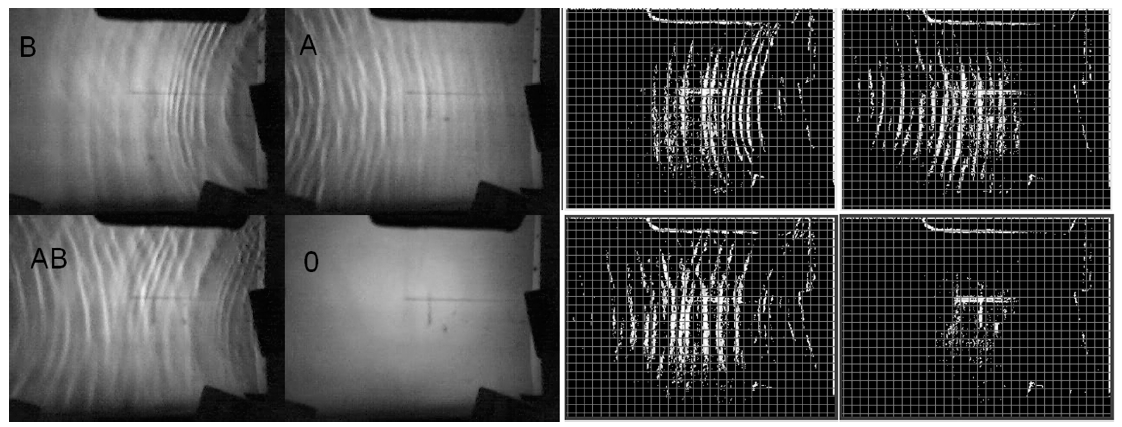
This line of research also remembers me back of an old and quite interesting paper by a colleague, Chrisantha Fernando. Together with Sampsa Sojakka, both have proved that waves produced on the surface of water can be used as the medium for a Wolfgang Maass’ “Liquid State Machine” (link) that pre-processes inputs so allowing a simple perceptron to solve the XOR problem and undertake speech recognition. Amazingly, Water achieves this “for free”, and does so without the time-consuming computation required by realistic neural models. What follows is the abstract of their paper entitled “Pattern Recognition in a Bucket“, as well a PDF link onto it:


Figure – Typical wave patterns for the XOR task. Top-Left: [0 1] (right motor on), Top-Right: [1 0] (left motor on), Bottom-Left: [1 1] (both motors on), Bottom-Right: [0 0] (still water). Sobel filtered and thresholded images on right. (from Fig. 3. in in Chrisantha Fernando and Sampsa Sojakka, “Pattern Recognition in a Bucket“, ECAL proc., European Conference on Artificial Life, 2003.
[...] Abstract. This paper demonstrates that the waves produced on the surface of water can be used as the medium for a “Liquid State Machine” that pre-processes inputs so allowing a simple perceptron to solve the XOR problem and undertake speech recognition. Interference between waves allows non-linear parallel computation upon simultaneous sensory inputs. Temporal patterns of stimulation are converted to spatial patterns of water waves upon which a linear discrimination can be made. Whereas Wolfgang Maass’ Liquid State Machine requires fine tuning of the spiking neural network parameters, water has inherent self-organising properties such as strong local interactions, time-dependent spread of activation to distant areas, inherent stability to a wide variety of inputs, and high complexity. Water achieves this “for free”, and does so without the time-consuming computation required by realistic neural models. An analogy is made between water molecules and neurons in a recurrent neural network. [...] in Chrisantha Fernando and Sampsa Sojakka, “Pattern Recognition in a Bucket“, ECAL proc., European Conference on Artificial Life, 2003. [PDF link]