Mostrando entradas con la etiqueta Modificación Genética. Mostrar todas las entradas

jueves, 12 de diciembre de 2013

Synthetic Biology with Dr. Nina DiPrimio


Methods for engineering biology. Dr. Nina DiPrimio discusses tools for design and construction and plans for future projects. Presented by Counter Culture Labs, this video is designed as an accessible introduction for bio-maker spaces for the basic tools of synthetic biology. Future projects, such as rose scented e coli, are detailed in a how-to of genetic modification. The safety of genetic modification is also discussed.
I’m pretty much messing around with DNA all day!


###

Follow @hbergeronx

ORIGINAL: H+ Magazine
By: Matthew Harbowy, Counter Culture Labs
December 12, 2013


jueves, 5 de diciembre de 2013

Viruses Build Piezoelectric Nanogenerator Through Self Assembly


Image: KAIST
Nanotechnology has opened up the possibility of building things like nature does: on the nanoscale. As such, biomimicry has been a guiding principle of nanomanufacturing.

But unlike natural processes, artificial synthesis of nanoscale structures has often required toxic and expensive conditions. Now researchers at the Korea Advanced Institute of Science and Technology (KAIST) say they've developed a synthesis process that can be done in a more natural way without the costly and extreme environments previously required.

What the researchers came up with uses a harmless, man-made virus, known as the M13 viral gene. The researchers modified it so that it acted as a template for a piezoelectric material, barium titanate (BaTiO3).

The research, which was published in the journal ACS Nano (“Virus-Directed Design of a Flexible BaTiO3 Nanogenerator”), demonstrated that they could build a high-performance, flexible nanogenerator from the piezoelectric material using the M13 viral gene as template for guiding self-assembly of the device.

"This is the first time to introduce a bio-templated inorganic piezoelectric material to a self-powered energy harvesting system, which can be realized through eco-friendly and efficient material syntheses," said Professor Keon Jae Lee from the Department of Material Science and Engineering at KAIST in a press release.

But, of course, using man-made viruses to guide the self-assembly of devices has long been the purview of Angela Belcher at MIT for over a decade. Nonetheless, we can’t quibble that this marks the first time that a virus template was used to create a nanogenerator. And it has a pretty respectable electrical output performance, claimed in the research paper to be about 300 nanoampere and 6 volts.

In fact, the real breakthrough of the research may be that the biosynthetic method that the KAIST researchers developed could open up new possibilities in bio-inspired self-assembly for applications ranging from thermoelectrics to biofuel cells.

ORIGINAL: IEEE Spectrum
By Dexter Johnson
Posted 5 Dec 2013

martes, 26 de noviembre de 2013

World Map Installation uses E. Coli and Jellyfish Proteins to illuminate our population in 2100

A Buckminster Fuller-style Dymaxion Map
Terreform’s Bio City Map in full, one side
If you think about it, Buckminster Fuller’s Dymaxion Map is a perfect example of how reductive approaches to science may be necessary to resolve some of the world’s more pressing complications. To best understand the Earth as a total entity, Fuller suggested we go pre-Magellan, back to the days when the earth’s shape was physically unproven, by unravelling our beloved sphere to a flat, non-symmetrical surface. Like peeling an orange while keeping the peel intact.

Close up of Dymaxion Map
This is why it fits so well as a model for Terreform’s Bio City Lab – in ethos and in structure. Putting Fuller’s concept to practice, the New York-based design firm constructed a vertical plane of two-sided triangular pieces that model Earth’s surface, as if it were peeled directly off the mantle. Each side of the installation houses physical representations of data that snapshot a coming reality: by 2100, an anticipated 11 billion human bodies will be hustlin’ in all corners of the globe.


Instead of relying solely on computer algorithms or census trends, Terreform employs what it refers to as “bacteriography” to drive Bio City Lab’s glowing body. Strains of E. Coli and protein structures from sea anemones and jellyfish combine to bio-illuminate population fluctuations from now until 2100, ultimately mimicking the natural ebb-and-flow of urban densities with purely biological means.

Terreform’s website details why: “Bacteria in this constrained form and under the right conditions, behave almost identically to urban population patterns […] In many cases, they are as good as computational versions because they are the source which algorithms are derived from. In time, the mapping installation may illustrate patterns yet unobserved in typical digital models.


The protein structures are injected into the DNA of genetically modified E. Coli strains, which are then gathered in petri dishes and subjected to UV rays. These rays effectively flip a switch in the bacteria, resulting in a neon mesh of blues, greens, reds and yellows. Green glowing blotches indicate where we are now; red ones indicate what our numbers will look like in the coming century.

Opposite the petri dishes are mountainous 3D graphs detailing population peaks across 2100’s world.

As a result, the structure becomes both static and mutative: the rigid and plastic population graphs depict future projections, while the ongoing biological reactions depict the fluid, amorphous quality of population changes.

It also takes into account contemporary phenomena like megacities (urban areas with populations of more than 10 million) and instant cities (urban areas with an infrastructure erected in anticipation of a population, usually at the cusp of economic booms).


But instead of specifying which petri dishes or 3D graphs correlate with which cities, the Bio City Map is geographically indiscriminate. Current urban areas, countries, continents or even bodies of water remain unreferenced, so that the populationstatistics and data of each city come together to form a single, transcontinental urbanity. In turn, it becomes a city of cities.

Through this, the installation suggests that if we’re to tackle problems of saturated population density and their potential corollaries (water, energy, food, housing, etc. crises), we need to stop worrying about national or regional interest and look at the bigger global picture. Literally.


Bio City Map for Terreform’s Biological Urbanism at OCAD University, Toronto, Canada

Detail of population spike graph Terreform is an international contender when it comes to these things.
They’re one in a series of contemporary design firms looking to explore the romantic tendencies of futurism through experimental approaches to society building. Along with recent curations like Liam Young’s Future Perfect exhibition at the Lisbon Architecture Triennale (which we partially covered here) and the writings of William Meyers, they’re giving breath to the argument that creativity, technology, and biology must unite if we’re to effectively solve societal dilemmas down the road.

Each of these groups and creators recognize the need for cross-collaboration. It’s no longer just architects, just urbanists, or just engineers hashing out blueprints – it’s all of the above, plus a cadre of fiction authors, artists, futurists, mathematicians, and more. Which makes more than enough sense: how can you guide the growth of a society without soliciting the thoughts of those who grow its culture?

All photos courtesy of Terreform

ORIGINAL: Creators Project
By Johnny Magdaleno
Oct 22 2013

martes, 1 de octubre de 2013

KAIST announced a novel technology to produce gasoline by a metabolically-engineered microorganism

Metabolic Engineering of Escherichia coli for the Production of Short-chain Alkanes (gasoline) from Renewable Biomass

A major scientific breakthrough in the development of renewable energy sources and other important chemicals

The research team succeeded in producing 580 mg of gasoline per liter of cultured broth by converting in vivo generated fatty acids

For many decades, we have been relying on fossil resources to produce liquid fuels such as gasoline, diesel, and many industrial and consumer chemicals for daily use. However, increasing strains on natural resources as well as environmental issues including global warming have triggered a strong interest in developing sustainable ways to obtain fuels and chemicals.

Gasoline, the petroleum-derived product that is most widely used as a fuel for transportation, is a mixture of hydrocarbons, additives, and blending agents. The hydrocarbons, called alkanes, consist only of carbon and hydrogen atoms. Gasoline has a combination of straight-chain and branched-chain alkanes (hydrocarbons) consisted of 4-12 carbon atoms linked by direct carbon-carbon bonds.

Previously, through metabolic engineering of Escherichia coli (E. coli), there have been a few research results on the production of long-chain alkanes, which consist of 13-17 carbon atoms, suitable for replacing diesel. However, there has been no report on the microbial production of short-chain alkanes, a possible substitute for gasoline.

In the paper (entitled “Microbial Production of Short-chain Alkanes”) published online in Nature on September 29, a Korean research team led by Distinguished Professor Sang Yup Lee of the Department of Chemical and Biomolecular Engineering at the Korea Advanced Institute of Science and Technology (KAIST) reported, for the first time, the development of a novel strategy for microbial gasoline production through metabolic engineering of E. coli.

The research team engineered the fatty acid metabolism to provide the fatty acid derivatives that are shorter than normal intracellular fatty acid metabolites, and introduced a novel synthetic pathway for the biosynthesis of short-chain alkanes. This allowed the development of platform E. coli strain capable of producing gasoline for the first time. Furthermore, this platform strain, if desired, can be modified to produce other products such as short-chain fatty esters and short-chain fatty alcohols.

In this paper, the Korean researchers described detailed strategies for 
  1. screening of enzymes associated with the production of fatty acids, 
  2. engineering of enzymes and fatty acid biosynthetic pathways to concentrate carbon flux towards the short-chain fatty acid production, and 
  3. converting short-chain fatty acids to their corresponding alkanes (gasoline) by introducing a novel synthetic pathway and optimization of culture conditions. Furthermore, the research team showed the possibility of producing fatty esters and alcohols by introducing responsible enzymes into the same platform strain.

Professor Sang Yup Lee said, “It is only the beginning of the work towards sustainable production of gasoline. The titer is rather low due to the low metabolic flux towards the formation of short-chain fatty acids and their derivatives. We are currently working on increasing the titer, yield and productivity of bio-gasoline. Nonetheless, we are pleased to report, for the first time, the production of gasoline through the metabolic engineering of E. coli, which we hope will serve as a basis for the metabolic engineering of microorganisms to produce fuels and chemicals from renewable resources.

This research was supported by the Advanced Biomass Research and Development Center of Korea through the Global Frontier Research Program of the Ministry of Science, ICT and Future Planning (MSIP) through the National Research Foundation (NRF), Republic of Korea. Systems metabolic engineering work was supported by the Technology Development Program to Solve Climate Changes on Systems Metabolic Engineering for Biorefineries by MSIP through NRF.


ORIGINAL: KAIST
2013-09-3

miércoles, 24 de julio de 2013

Clean, Green High Performance Biofuels from Carbon Dioxide

ORIGINAL: LBL
Lynn Yarris (510) 486-5375 lcyarris@lbl.gov
July 24, 2013
Jana Mueller was the lead author on a paper reporting that the bacterium Ralstonia eutropha has been engineered to produce diesel fuel from carbon dioxide. (Photo by Roy Kaltschmidt)
Could there come a time in which the carbon dioxide emitted from natural gas or coal-burning power plants that warms the atmosphere and exacerbates global climate change is harvested and used to produce clean, green and renewable liquid transportation fuels? A pathway to that possibility has been opened by a team of researchers with the U.S. Department of Energy (DOE)’s Joint BioEnergy Institute (JBEI) who have engineered a microbe now being used to produce biodegradable plastic into a strain that can produce a high-performance advanced biofuel.

We’ve shown that the bacterium Ralstonia eutropha growing with carbon dioxide and hydrogen gas is able to generate significant quantities of diesel-range methyl ketones,” says Harry Beller, a JBEI microbiologist who led this research, which was funded through DOE’s Advanced Research Projects Agency-Energy (ARPA-E) program. “This holds the promise of making carbon-neutral biofuels using non-photosynthetic, carbon-dioxide fixing bacteria as a less resource-intensive alternative to making these biofuels from cellulosic biomass.

Beller, who directs the Biofuels Pathways department for JBEI’s Fuels Synthesis Division, and also is a Senior Scientist with Berkeley Lab’s Earth Sciences Division, led a previous study in which genetic engineering was used to develop a strain of the bacterium Escherichia coli (E. coli) that made methyl ketone compounds from the glucose in cellulosic biomass. Methyl ketones are naturally occurring aliphatic compounds now used in fragrances and flavorings. Beller and his JBEI colleagues have demonstrated that methyl ketones also have high diesel fuel ratings (cetane numbers), making them strong candidates as advanced biofuels.

We’ve shown that, with the same set of genetic modifications, R. eutropha and E. coli can make comparable amounts of methyl ketones, but R. eutropha is making the ketones from carbon dioxide while E. coli is making them from glucose,” Beller says. “This shows that the methyl ketone pathway that we’ve designed is versatile and able to function well in bacterial hosts with substantially different metabolic lifestyles.”
Micrograph shows Ralstonia eutropha bacteria in culture. (Image courtesy of Christopher Brigham, MIT)
Current strategies for producing advanced biofuels that could replace gasoline, diesel or jet fuels in today’s engines and infrastructures are based on extracting fermentable sugars stored in the cellulosic biomass of green plants. Those sugars represent chemical energy that was converted from solar energy via photosynthesis and provide the carbon atoms needed to make fuels. R. eutropha is a common soil bacterium that can naturally use hydrogen rather than sunlight as an energy source for converting carbon dioxide into various organic compounds. However, native strains of R. eutropha do not produce detectable levels of methyl ketones and generate very low levels of the fatty acids that are precursors to methyl ketones.

Since our engineered strains of R. eutropha can use fixed carbon dioxide to make methyl ketones, its biofuels don’t require many of the steps needed to convert cellulosic biomass into fuels, such as growing and harvesting the biofuel crop, digesting the lignocellulosic biomass, and enzymatically saccharifying the digested biomass to produce fermentable sugars,” Beller says. “The resources needed for these steps could therefore be eliminated if R. eutropha were used to make biofuels directly from carbon dioxide.

Beller is the corresponding author of a paper in the journal AEM that describes this research titled “Engineering of Ralstonia eutropha H16 for Autotrophic and Heterotrophic Production of Methyl Ketones.” Co-authors are Jana Müller, Daniel MacEachran, Helcio Burd, Noppadon Sathitsuksanoh, Changhao Bi, Yi-Chun Yeh, Taek Soon Lee, Nathan Hillson, Swapnil Chhabra and Steven Singer.

For more about the Joint BioEnergy Institute (JBEI) go here

lunes, 22 de julio de 2013

Plastic from Grass

June 5, 2013

Engineers seek a cheaper biodegradable polymer.

Oliver Peoples cofounded Meta­bolix with biologist Anthony Sinskey .

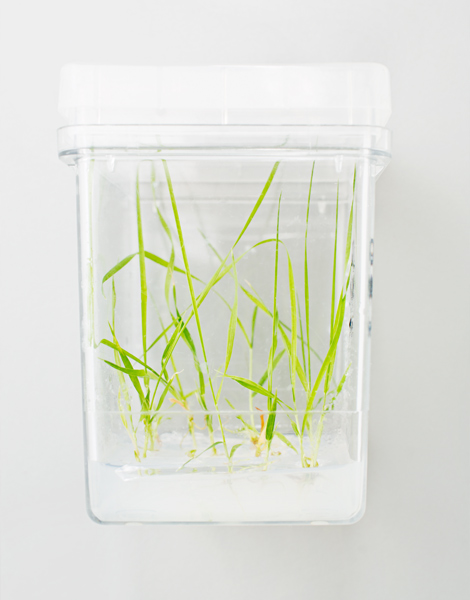
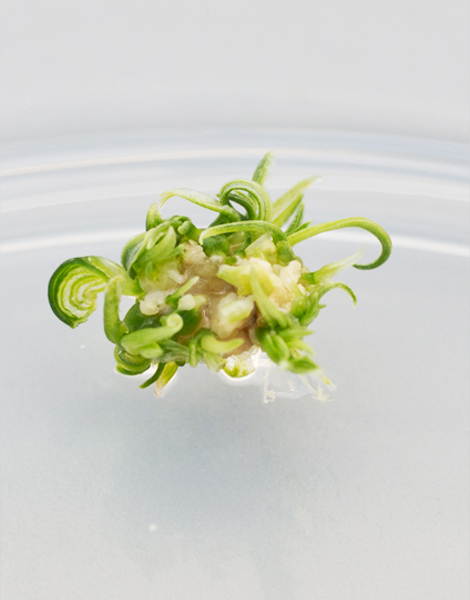
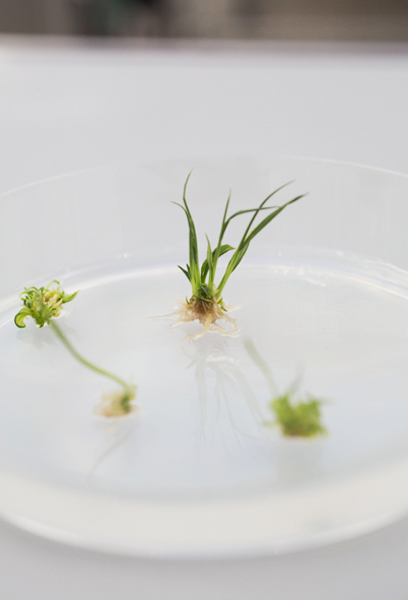
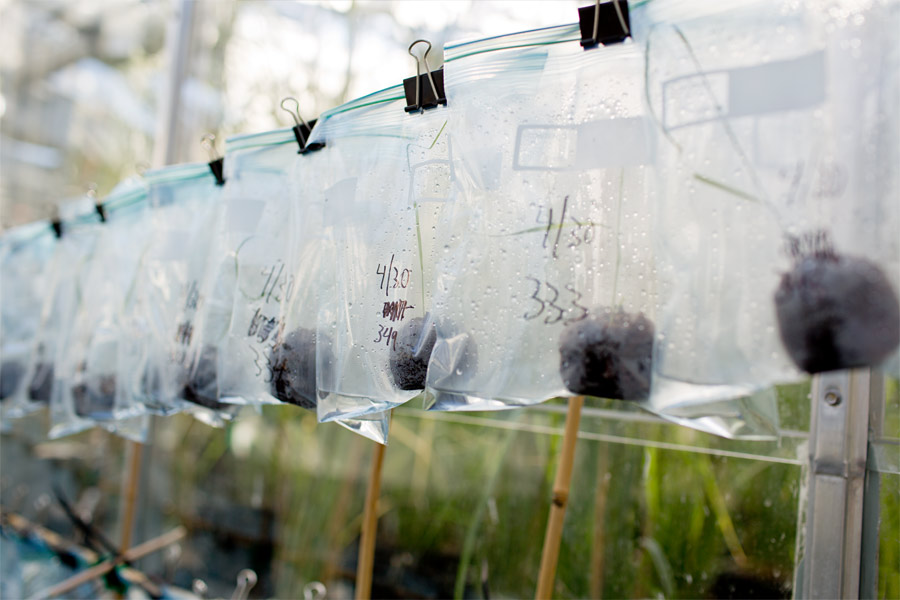
Nearly all the plastics sold today come from petroleum and aren’t biodegradable. But researchers at Metabolix in Cambridge, Massachusetts, are genetically engineering switchgrass to produce a biodegradable polymer that can be extracted directly from the plant.

That could transform the economics of making biodegradable polymers. Metabolix already sells such a polymer, but it’s produced by bacteria that feed on plant sugars in expensive fermenters. A plant-based process, which could use crops grown on marginal lands, would require less equipment.

Metabolix estimates that it could ultimately sell its plant-based polymers at less than half today’s prices. Whereas today’s end products are niche items like biodegradable plastic shopping bags, more widely used types of products and packaging could then become economical.

The plants-to-plastics vision has gripped Metabolix’s chief scientific officer, Oliver Peoples, a former MIT research scientist, for more than 20 years since he and colleague Anthony Sinskey, an MIT biology professor, discovered metabolic genes that allow bacteria found in soil to naturally produce a polymer known as PHA. But after they founded Metabolix, it took a decade to optimize metabolic systems in the bacteria to produce useful amounts of PHA. Doing so in plants is even more difficult. “It’s much more complex and time-consuming to engineer a complex and slow-growing species like switchgrass versus a very simple bacterium,” Peoples says.


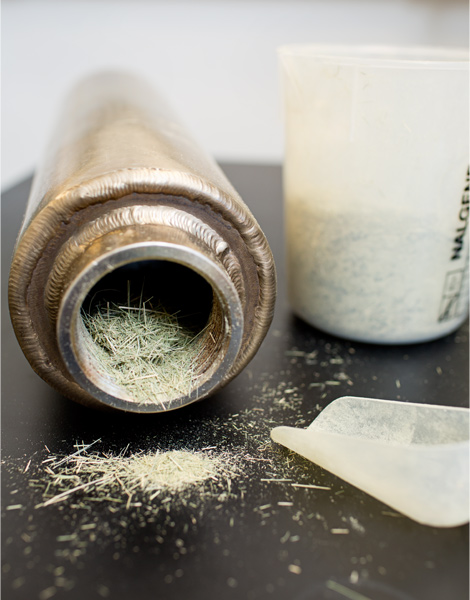
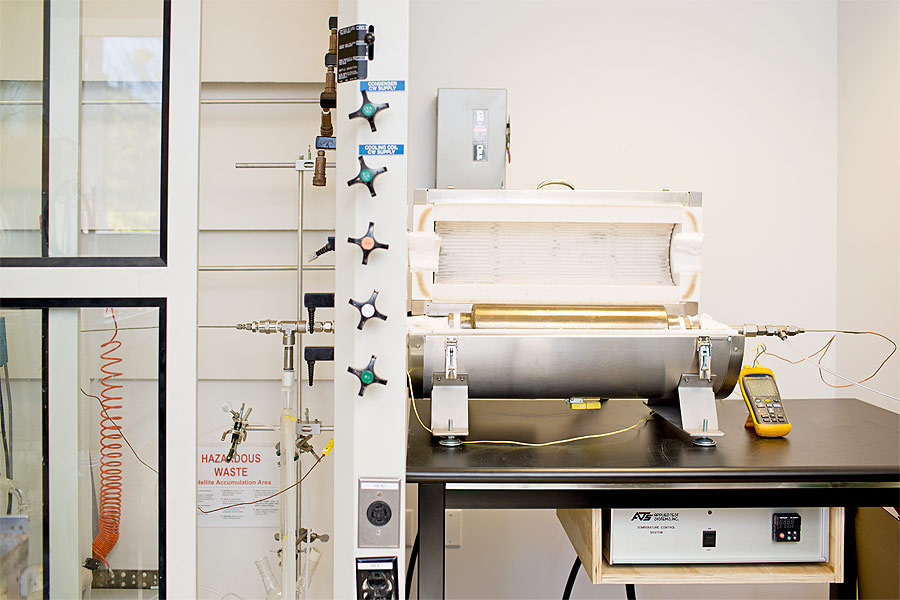
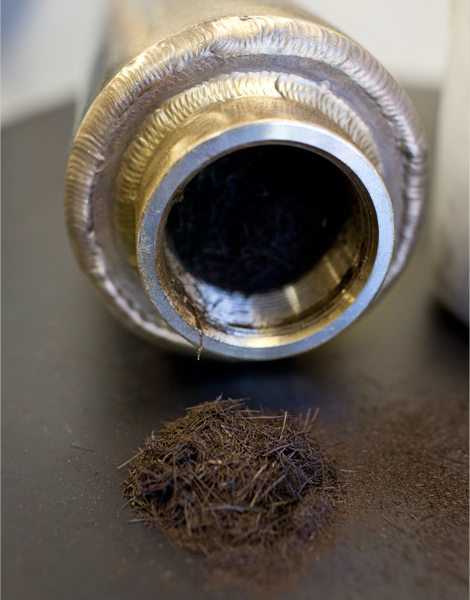
Now, Metabolix plant scientists are working anew on inserting those genes, plus others that regulate growth, into plants including switchgrass, camelina, and sugarcane. In switchgrass, they’re coaxing the plant to produce and store in its tissues a specific type of PHA, known as PHB, that can be used to make injection-­molded products such as electronics housings. The company is also working on chemical production steps, including extraction of the PHB using solvents, and a thermal method of converting the PHB into a chemical called crotonic acid, which can be used as a feedstock for polymers. After the PHB is extracted or the crotonic acid produced, remnants of the grass could be burned as a biomass energy source that produces lower net carbon emissions than fossil fuels.

Metabolix calculates that the grass must produce 10 percent of its weight as PHB to be economically competitive with other sources of biodegradable plastics. The company has already nearly doubled the PHB content in switchgrass, from 1.2 percent in 2008 to 2.3 percent last year, including 7 percent in the leaves. The process would still produce some carbon emissions: growing and harvesting plants requires fossil-fuel-based fertilizers and fossil-fuel-powered machines. But Peoples predicts it would be cleaner overall than producing plastic from fossil fuels, though a full analysis has yet to be done. For now, he’s eager to finally realize his plants-to-plastics vision. “This is a testament to sheer bloody single-mindedness,” he says.

martes, 2 de abril de 2013

Hagfish slime: The clothing of the future?

ORIGINAL: BBC
By Anna Rothschild
2 April 2013

PRI's The World, Ontario, Canada

The jawless, spineless hagfish is a primitive creature that lives at the bottom of the ocean and dates back as far as 500 million years - but it exudes a very special slime, which could provide the clothing of the future.

Hagfish are not the most glamorous of creatures.

They slope around on the deep, dark ocean floor, scavenging for food. Dead whale is a favourite.

But they do have a trick up their sleeve, or rather tucked within their snake-like body - abundant, highly-condensed slime.

A hagfish has no jaws, and its slime serves as a valuable form of self-defence.

Researchers recently filmed what happens when a shark bites a hagfish - its mouth and gills are quickly covered in slime. The shark has to back off, or face a slimy suffocation.


Footage courtesy of Museum of New Zealand Te Papa Tongarewa
Footage courtesy of Museum of New Zealand Te Papa Tongarewa
"They're maybe not the prettiest of creatures to work on, but I have a lot of respect for them," says Tim Winegard, a researcher at the University of Guelph in Canada, studying the fibres found in hagfish slime.

"These guys have been around through just about everything," he says. "They're a winner in terms of outlasting dinosaurs and many, many mass extinctions."

Find out more
The World is a co-production of BBC World Service, Public Radio International and WGBH in Boston 
Airs weekdays on more than 300 radio stations across the US and Canada 

Dinosaurs became extinct about 60 million years ago but a hagfish fossil - complete with evidence of slime-producing glands - has been found dating back 330 million years.

A hagfish has about 100 of these glands, or invaginations, that run along the side of its body from which they exude a milky, white substance, comprised of mucus and thread.

When this gets mixed with seawater, it expands, creating huge amounts of clear slime, composed of very thin - but super-strong and stretchy - fibres.

When you stretch the fibres in water and then dry them out, they become silky.

The largest species of hagfish can reach about 4ft (1.2m), though most are around 1ft (30cm) long.

But despite their small size, a single hagfish has hundreds of kilometres of slime thread inside it.

Scientists believe hagfish slime or similar proteins could be turned into tights or breathable athletic wear, or even bullet-proof vests.


For years, scientists have been looking for alternatives to synthetic fibres like nylon and lycra, or spandex, which are made from oil - a non-renewable resource.

Hagfish slime has the potential to provide a natural and renewable alternative.

But first, the experts need to work out how to increase the slime production. It's unlikely that we will ever see massive hagfish farms. Hagfish don't seem to respond well in these conditions.

What we know about hagfish…


  • There are more than 80 species of hagfish - but despite the name, they're not really fish 
  • They are considered craniates, and have a hard structure that surrounds the brain 
  • Hagfish have rudimentary eyes - some can sense light, but nothing more 
  • They are scaleless, which gives their skin a smooth, leathery quality - hagfish skins are sometimes sold as "eel-skin leather" 
They tie themselves in knots to clean off slime, and as a way of leveraging food off carcasses 
Hagfish share a common ancestor with all the vertebrate lineage, including humans 

"We know very little about hagfish reproduction, and no-one has ever gotten hagfish to breed in captivity - amazing as that sounds," says Douglas Fudge, who heads the Guelph research project.

"Right now, we literally couldn't have hagfish farms the way we have cows or chickens, or any other domesticated animals in captivity."

Instead, scientists hope to make proteins like the ones found in hagfish slime artificially in the lab.

It's a model that scientists have tried with spider silk before, but because the proteins in spider silk are so large, it takes some pretty wacky-sounding techniques to replicate them (like getting it from the milk of transgenic goats).

Hagfish slime has many similar qualities to spider silk, but has one big advantage, says Fudge - the proteins that make it up are far smaller, and so easier - in theory - to replicate.

No-one has made a spool of hagfish thread yet, but scientists are working on it.

"I'm just taking my tweezers, and then kind of drawing it up," explains post-doc Atsuko Negishi, as she pulls on what looks like the skin on a cup of hot cocoa.
Slime research scientists Atsuko Negishi, Tim Winegard and Douglas Fudge
It's actually a thin film of hagfish proteins. This skin collapses, forming a short fibre. She twirls it between her fingers.

"It's kind of like a little piece of hair," she says.

Other members of the team are trying to make threads using genetically engineered bacteria, bypassing the hagfish entirely.

… And some hagfish mysteries


Scientists have been studying hagfish for centuries - Darwin even took notes on them. But there are many basic facts they still don't know. We are still in the dark on how they reproduce and how to tell how old a hagfish is. Bony fish usually have otoliths, which act like tree rings, and are used as a way of telling how old they are - but hagfish don't have these.

If they succeed in perfecting their thread, scientists hope to work closely with the textile industry to bring some products to market.

There might need to be a little re-branding first though.

"Hagfish - it would probably scare people off a little bit!" laughs Tim Winegard.

"I think the name might be a bit of a deterrent," he says. Not to mention the word "slime".

But one day this ancient slime from the depths of the ocean could be woven into the very shirt on your back.

Anna Rothschild was reporting for The World and the PBS programme NOVA. She fronts the Gross Science series - which includes a look at the tongue-eating parasite.
You can follow the Magazine on Twitter and on Facebook

jueves, 21 de marzo de 2013

Flashing fish brains filmed in action

ORIGINAL: Nature
18 March 2013 

Fast imaging in larval zebrafish produces first neuron-level vertebrate brain-activity map.

It looks like an oddly shaped campfire, but it is activity of individual neurons across a larval fish brain. It is the first time that researchers have been able to image an entire vertebrate brain at the level of single cells.

At first glance, it looks like an oddly shaped campfire: smoky grey shapes light up with red sparks and flashes. But the video actually represents a different sort of crackle — the activity of individual neurons across a larval fish brain. It is the first time that researchers have been able to image an entire vertebrate brain at the level of single cells. 

We see the big picture without losing resolution,” says Phillipp Keller, a microscopist at the Howard Hughes Medical Institute's Janelia Farm Research Campus in Ashburn, Virginia, who developed the system with Janelia neurobiologist Misha Ahrens. The researchers are able to record activity across the whole fish brain almost every second, detecting 80% of its 100,000 neurons. (The rest lie in hard-to-access areas, such as between the eyes; their activity is visible but cannot be pinned down to single cells.) The work is published today in Nature Methods1

It’s phenomenal,” says Rafael Yuste, a neuroscientist at Columbia University in New York. “It is a bright star now in the literature, suggesting that it is not crazy to map every neuron in the brain of an animal.” Yuste has been leading the call for a big biology project2 that would do just that in the human brain, which contains about 85,000 times more neurons than the zebrafish brain

Related stories


The resolution offered by the zebrafish study will enable researchers to understand how different regions of the brain work together, says Ahrens. With conventional techniques, imaging even 2,000 neurons at once is difficult, so researchers must pick and choose which to look at, and extrapolate. Now, he says, “you don't need to guess what is happening — you can see it”. 

The increased imaging power could, for example, help to explain how the brain coordinates movement, consolidates learning or processes sights and smells. “It allows a much better view of the dynamics throughout the brain during different behaviours and during learning paradigms,” says Joseph Fetcho, a neurobiologist at Cornell University in Ithaca, New York. 

Light, camera, activity 
The imaging system relies on a genetically engineered zebrafish (Danio rerio). The fish's neurons make a protein that fluoresces in response to fluctuations in the concentration of calcium ions, which occur when nerve cells fire. A microscope sends sheets of light rather than a conventional beam through the fish's brain, and a detector captures the signals like a viewer watching a cinema screen. The system records activity from the full brain every 1.3 seconds
Ahrens, Keller and others have previously used light-sheet microscopy to image developing embryos over days3; for the latest study, they modified light detectors and other aspects of the system to increase the rate of imaging tenfold. In a series of hour-long experiments, each of which generated 1 terabyte (1 million megabytes) of data, the researchers were able to see populations of neurons in distinct regions that correlated to their activity (see video above). 

The technique does have its limitations. For one thing, it works best in zebrafish embryos, which are transparent. Ahrens and Keller think that it could work in intact mammal brains, but it would require surgery and would cover only a small fraction of the brain. 

Another limitation is that neither the protein sensor nor the imaging system yet works fast enough to distinguish whether a neuron has fired once or several times in quick succession. But Fetcho says that it is fast enough to start to understand how activity flows through the brain. “No one is anywhere in the ball park of this for any other animal model.” 

Nature doi:10.1038/nature.2013.12621 
Ahrens, M. B. & Keller, P. J. Nature Meth. http://dx.doi.org/10.1038/NMETH.2434 (2013). Show context

Alivasatos, A. P. et al. Science 339, 1284–1285 (2013). 


Tomer, R., Khairy, K., Amat, F. & Keller, P. J. Nature Meth. 9, 755–763 (2012). 


From nature.com 


06 March 2013


23 January 2013


23 January 2013


29 November 2011


martes, 19 de marzo de 2013

A Near-Whole Brain Activity Map in Fish

ORIGINAL: MIT Review
March 18, 2013

Neuron-level whole-brain activity maps could one day help explain brain function and disfunction.

Image: Neurons glow red as they fire in this whole zebrafish larva brain. Credit: Misha Ahrens and Philipp Keller
Researchers have for the first time been able to image most of an entire vertebrate brain at the level of single cells, reports Nature.

A study from the Howard Hughes Medical Institute’s Janelia Farm Research Campus, published in Nature Methods, shows that modifications to existing microscopy techniques enable researchers to take snap shots of neuron-by-neuron activity in the whole brain of a living zebrafish larvae. The zebrafish larvae, whose bodies are transparent and brains are tiny, were genetically engineered to produce a protein in their neurons that glows in response to the chemical changes that occur when that neuron fires.

With conventional techniques, capturing the activity of even 2,000 neurons at once is difficult. With the modified fish and microscopy methods, the researchers were able to capture the activity of at least 80 percent of the baby fish’s 100,000 neurons over a time period of just 1.3 seconds

The result is an encouraging announcement for proponents of the Brain Activity Map project, a still-developing scientific collaboration to establish new technologies that can record the activity of all individual neurons in a brain circuit simultaneously (see “The Brain Activity Map”). According to Nature News, Rafael Yuste, a neurobiologist at Columbia University in New York and leader of the Brain Activity Map project, thinks the zebrafish results are “phenomenal.”

It is a bright star now in the literature, suggesting that it is not crazy to map every neuron in the brain of an animal,” [says Yuste].

domingo, 27 de enero de 2013

Heat-resistant corals provide clues to climate change survival, Stanford researchers say

ORIGINAL: Stanford
BY ROB JORDAN Stanford Report
January 9, 2013

Some corals are tougher than others when it comes to standing up to the warming ocean temperatures brought on by climate change. Stanford researchers have found a genomic basis for this coral resilience, helping make it possible to save the toughest breeds as temperatures continue to rise.

Photo: Dan Griffin
Shallow-reef corals off Ofu Island in American Samoa. 'If we can find populations most likely to resist climate change and map them, then we can protect them,' Stanford researcher Stephen Palumbi said.

In a future shaped by climate change, only the strong – or heat-resistant – will survive. A study published this week in the Proceedings of the National Academy of Sciences opens a window into a genetic process that allows some corals to withstand unusually high temperatures and may hold a key to species survival for organisms around the world.

"If we can find populations most likely to resist climate change and map them, then we can protect them," said study co-author Stephen Palumbi, a senior fellow at the Stanford Woods Institute for the Environment and director of theHopkins Marine Station. "It's of paramount importance because climate change is coming."

Coral reefs are crucial sources of fisheries, aquaculture and storm protection for about a billion people worldwide. These highly productive ecosystems are constructed by reef-building corals, but overfishing and pollution plus rising temperatures and acidity have destroyed half of the world's reef-building corals during the past 20 years. The onslaught of climate change makes it imperative to understand how corals respond to extreme temperatures and other environmental stresses.

Although researchers have observed that certain corals withstand stresses better than others, the molecular mechanisms behind this enhanced resilience remain unclear. For their study, Palumbi, Stanford postdoctoral scholar Daniel Barshis and other researchers looked at shallow-reef corals off Ofu Island in American Samoa to determine how they survive waters that often get hotter than 90 degrees Fahrenheit during summer-time low tides.

Utilizing cutting-edge DNA sequencing technology, the scientists examined the corals' gene expression when subjected to water temperatures up to 95 degrees. "These technologies are usually applied to human genome screens and medical diagnoses, but we're now able to apply them to the most pressing questions in coral biology, like which genes might help corals survive extreme heat," Barshis said.

Heat-resistant and heat-sensitive corals had a similar reaction to experimental heat: hundreds of genes "changed expression," turning on to reduce and repair damage. However, the heat-resistant corals showed an unexpected pattern: 60 heat stress genes were already turned on even before the experiment began. These genes are "frontloaded" in heat resistant corals – already turned on and ready to work even before the heat stress begins.

"It's like already having your driver's license and boarding pass out when you get close to the TSA screener at the airport, rather than starting to fumble through your wallet once you get to the front of the line," Palumbi said.

The findings show that DNA sequencing can offer broad insights into the differences that may allow some organisms to persist longer amid future changes to global climate. "We're going to put a lot of effort into protecting coral reefs, but what happens if we wake up in 30 years and all our efforts are in vain because those corals have succumbed to climate change?" Palumbi said.

As with strong corals, finding species most likely to endure climate change – "resilience mapping" – is the first step toward protecting them, Palumbi said. "The solutions that we're looking for must, at least partially, be out there in the world."

Rob Jordan is the communications writer for the Stanford Woods Institute for the Environment.
Media Contact

Stephen Palumbi, Stanford Woods Institute for the Environment: cell, (831) 601-7002; office, (831) 655-6210; spalumbi@stanford.edu

Dan Barshis, National Marine Fisheries Service: office, (831) 420-3957; daniel.barshis@noaa.gov

Rob Jordan, Stanford Woods Institute for the Environment: (650) 721-1881; rjordan@stanford.edu

sábado, 29 de diciembre de 2012

Approval for gene-modified salmon spawns controversy

ORIGINAL: New Scientist
28 December 2012 


Fast-growing salmon have cleared another hurdle in an upstream battle to be the first genetically modified animal approved for human consumption. After a long and possibly politically motivated delay, federal regulators have released preliminary documents declaring the fish safe to eat and environmentally harmless.

Since 1995, a company called AquaBounty, based in Maynard, Massachusetts, has been seeking approval from the US government to sell its AquAdvantage fish. These Pacific salmon have been modified with a growth hormone gene from Chinook salmon, which causes them to grow twice as fast as normal fish.

Rather than releasing the fish into the wild, the company plans to engineer its eggs in highly secure tanks in Canada, then ship them to Panama to mature. As a precaution, the fish are all female and contain three copies of each chromosome rather than two, rendering them sterile.

Controversy has engulfed the fish since their creation, but the concern is more about their potential ecological impacts than dangers to human health. Organisations such as the Marine Fish Conservation Network, which promotes sustainable fishing practices, worry that the transgenic salmon could outcompete wild salmon if they escape. "The risk of escapes and damage to wild ocean fisheries is simply too great to be left to chance," director Matt Tinning said in a statement.

The organisation says it has not yet had time to review the newly released assessment, published on 27 December by the US Food and Drug Administration (FDA). In two preliminary documents, it declares that AquaBounty's safety measures are sufficient, that the fish would have no significant environmental impact and that they are safe for human consumption.

Delayed release
The timing of the release has sparked suspicion of political interference, as it came hours after a non-profit organisation called the Genetic Literacy Project published FDA documents showing that the assessment had been complete since April and should have been released immediately. The organisation's investigation suggests that the White House's Office of Science and Technology Policy (OSTP), concerned over the issue's sensitivity, had blocked the documents' release until after the presidential election.

Asked about the allegations, the OSTP referred New Scientist to the FDA, whose spokesperson Shelly Burgess declined to comment. But she says that the agency is being particularly cautious as the salmon are the first transgenic animal to reach this point in the approval process.

Final approval of the salmon could still be some way off, however. The public now has 60 days to comment on the documents before the FDA will review them again. Burgess says it is impossible to predict how long the next review might take.

miércoles, 14 de noviembre de 2012

Genetically engineered bacterial enzyme to produce alternative fuel from CO2

ORIGINAL: EcoChunk


Converting ambient and environmentally destructive carbon dioxide into usable alternative fuels has often been referred to as the “holy grail” of energy. Researchers over the globe have been working on a possible way by which carbon dioxide can be captured from the atmosphere and somehow converted into alternative fuel such as methane and the most recent advancement has surfaced courtesy of biochemists at the Utah State University.

The biochemists here knew that molybdenum nitrogenases, bacterial enzymes used in nitrogen reduction, can effectively convert carbon monoxide into hydrocarbons, but cannot do the same stuff in converting carbon dioxide. Using this knowledge the team of biochemists genetically engineered molybdenum nitrogenase so that it can convert carbon dioxide into methane.

Though the research looks promising, the team humbly states that their process isn’t quite efficient in the conversion process. Till now they’ve only managed to convert a tiny amount of CO2 into methane and the process is very slow for commercial use. However, it definitely is a step in the right direction. The team is now being challenged to find out how the process actually works and then transferring the knowledge to create robust catalysts that can escalate the process and finally manage to produce something useful from carbon dioxide in the atmosphere.

Written by Anupam Jolly

Add caption
With a bachelor’s degree in Information Technology and over five years of experience in online content generation and distribution, Anupam Jolly has been creating and editing content spanning across a variety of domains. An avid environmentalist, Anupam Jolly believes that if humans can degrade the environment, they can save it from disaster too.