Mostrando entradas con la etiqueta Electronics. Mostrar todas las entradas

miércoles, 16 de mayo de 2018

Plug-and-play diagnostic devices

Jose Gomez-Marquez, co-director of MIT’s Little Devices Lab, holds a sheet of paper diagnostic blocks, which can be easily printed and then combined in various ways to create customized diagnostic devices. Image: Melanie Gonick/MIT

Modular blocks could enable labs around the world to cheaply and easily build their own diagnostics.

Researchers at MIT’s Little Devices Lab have developed a set of modular blocks that can be put together in different ways to produce diagnostic devices. These “plug-and-play” devices, which require little expertise to assemble, can test blood glucose levels in diabetic patients or detect viral infection, among other functions.

Ampli blocks. Image by Melanie Gonick, MIT. 
“Our long-term motivation is to enable small, low-resources laboratories to generate their own libraries of plug-and-play diagnostics to treat their local patient populations independently,” says Anna Young, co-director of MIT’s Little Devices Lab, lecturer at the Institute for Medical Engineering and Science, and one of the lead authors of the paper.

Using this system, called Ampli blocks, the MIT team is working on devices to detect cancer, as well as Zika virus and other infectious diseases. The blocks are inexpensive, costing about 6 cents for four blocks, and they do not require refrigeration or special handling, making them appealing for use in the developing world.

“We see these construction kits as a way of lowering the barriers to making medical technology,” says Jose Gomez-Marquez, co-director of the Little Devices Lab and the senior author of the paper.

Elizabeth Phillips ’13, a graduate student at Purdue University, is also a lead author of the paper, which appears in the journal Advanced Healthcare Materials on May 16. Other authors include Kimberly Hamad-Schifferli, an associate professor of engineering at the University of Massachusetts at Boston and a visiting scientist in MIT’s Department of Mechanical Engineering; Nikolas Albarran, a senior engineer in the Little Devices Lab; Jonah Butler, an MIT junior; and Kaira Lujan, a former visiting student in the Little Devices Lab.

Advanced Healthcare Materials Paper (click to enlarge)
Customized diagnostics

Over the past decade, many researchers have been working on small, portable diagnostic devices based on chemical reactions that occur on paper strips. Many of these tests make use of lateral flow technology, which is the same approach used in home pregnancy tests.

Despite these efforts, such tests have not been widely deployed. One obstacle, says Gomez-Marquez, is that many of these devices are not designed with large-scale manufacturability in mind. Another is that companies may not be interested in mass-producing a diagnostic for a disease that doesn’t affect a large number of people.

The Little Devices Lab researchers realized that they could get these diagnostics into the hands of many more people if they created a kit of modular components that can be put together to generate exactly what the user needs. To that end, they have created about 40 different building blocks that lab workers around the world could easily assemble on their own, just as people began assembling their own radios and other electronic devices from commercially available electronic “breadboards” in the 1970s.

“When the electronic breadboard came out, that meant people didn’t have to worry about building their own resistors or capacitors. They could worry about what they actually wanted to use electronics for, which is to make the entire circuit,” Gomez-Marquez says.


In this case, the components consist of a sheet of paper or glass fiber sandwiched between a plastic or metal block and a glass cover. The blocks, which are about half an inch on each edge, can snap together along any edge.
  • Some of the blocks contain channels for samples to flow straight through, 
  • some have turns, and 
  • some can receive a sample from a pipette or 
  • mix multiple reagents together.
The blocks can also perform different biochemical functions. Many contain antibodies that can detect a specific molecule in a blood or urine sample. Those antibodies are attached to nanoparticles that change color when the target molecule is present, indicating a positive result.

These blocks can be aligned in different ways, allowing the user to create diagnostics based on one reaction or a series of reactions. In one example, the researchers combined blocks that detect three different molecules to create a test for isonicotinic acid, which can reveal whether tuberculosis patients are taking their medication.

The blocks are color-coded by function, making it easier to assemble predesigned devices using instructions that the researchers plan to put online. They also hope that users will develop and contribute their own specifications to the online guide.

Better performance
The researchers also showed that in some ways, these blocks can outperform previous versions of paper diagnostic devices. For example, they found that they could run a sample back and forth over a test strip multiple times, enhancing the signal. This could make it easier to get reliable results from urine and saliva samples, which are usually more dilute than blood samples, but are easier to obtain from patients.

“These are things that cannot be done with standard lateral flow tests, because those are not modular — you only get to run those once,” says Hamad-Schifferli.

The team is now working on tests for human papilloma virus, malaria, and Lyme disease, among others. They are also working on blocks that can synthesize useful compounds, including drugs, as well as blocks that incorporate electrical components such as LEDs.

The ultimate goal is to get the technology into the hands of small labs in both industrialized and developing countries, so they can create their own diagnostics. The MIT team has already sent them to labs in Chile and Nicaragua, where they have been used to develop devices to monitor patient adherence to TB treatment and to test for a genetic variant that makes malaria more difficult to treat.

Catherine Klapperich, associate dean for research and an associate professor of biomedical engineering at Boston University, says the MIT team’s work will help to make the diagnostic design process more inclusive.

“By reducing the barriers to designing new point-of-care paperfluidics, the work invites nonexperts in and will certainly result in new ideas and collaborations in settings all around the world,” says Klapperich, who was not involved in the research. “The practical demonstrations of the system presented here are poised to be immediately useful, while the possibilities for others to build on the tool are large.”

The researchers are now investigating large-scale manufacturing techniques, and they hope to launch a company to manufacture and distribute the kits around the world.

“We are excited to open the platform to other researchers so they can use the blocks and generate their own reactions,” Young says.

The research was funded by a gift from Autodesk and the U.S. Public Health Service.


ORIGINAL: MIT News
By Anne Trafton | MIT News Office 
May 16, 2018

sábado, 21 de octubre de 2017

New Research Points to a Genetic Switch That Can Let Our Bodies Talk to Electronics


Shutterstock
IN BRIEF
Our bodies are biologically based and therefore are not equipped to communicate with electronics efficiently. New research could make it possible to genetically engineer our cells to be able to communicate with electronics.

The development has the potential to allow us to eventually build apps that autonomously detect and treat disease.

Microelectronics has transformed our lives. Cellphones, earbuds, pacemakers, defibrillators – all these and more rely on microelectronics’ very small electronic designs and components. Microelectronics has changed the way we collect, process and transmit information.

Such devices, however, rarely provide access to our biological world; there are technical gaps. We can’t simply connect our cellphones to our skin and expect to gain health information. For instance, is there an infection? What type of bacteria or virus is involved? We also can’t program the cellphone to make and deliver an antibiotic, even if we knew whether the pathogen was Staph or Strep. There’s a translation problem when you want the world of biology to communicate with the world of electronics.

The research we’ve just published with colleagues in Nature Communications brings us one step closer to closing that communication gap.
Electronic control of gene expression and cell behaviour in Escherichia coli through redox signalling

ABSTRACT:
The ability to interconvert information between electronic and ionic modalities has transformed our ability to record and actuate biological function. Synthetic biology offers the potential to expand communication ‘bandwidth’ by using biomolecules and providing electrochemical access to redox-based cell signals and behaviours. While engineered cells have transmitted molecular information to electronic devices, the potential for bidirectional communication stands largely untapped. Here we present a simple electrogenetic device that uses redox biomolecules to carry electronic information to engineered bacterial cells in order to control transcription from a simple synthetic gene circuit. Electronic actuation of the native transcriptional regulator SoxR and transcription from the PsoxS promoter allows cell response that is quick, reversible and dependent on the amplitude and frequency of the imposed electronic signals. Further, induction of bacterial motility and population based cell-to-cell communication demonstrates the versatility of our approach and potential to drive intricate biological behaviours.

Source: NATURE COMMS
Rather than relying on the usual molecular signals, like hormones or nutrients, that control a cell’s gene expression, we created a synthetic “switching” system in bacterial cells that recognizes electrons instead. This new technology – a link between electrons and biology – may ultimately allow us to program our phones or other microelectronic devices to autonomously detect and treat disease.

COMMUNICATING WITH ELECTRONS, NOT MOLECULES
One of the barriers scientists have encountered when trying to link microelectronic devices with biological systems has to do with information flow. In biology, almost all activity is made possible by the transfer of molecules like
  • glucose, 
  • epinephrine, 
  • cholesterol and 
  • insulin 
signaling between cells and tissues. Infecting bacteria secrete molecular toxins and attach to our skin using molecular receptors. To treat an infection, we need to detect these molecules to identify the bacteria, discern their activities and determine how to best respond.

Microelectronic devices don’t process information with molecules. A microelectronic device typically has silicon, gold, chemicals like boron or phosphorus and an energy source that provides electrons. By themselves, they’re poorly suited to engage in molecular communication with living cells.

Free electrons don’t exist in biological systems so there’s almost no way to connect with microelectronics. There is, however, a small class of molecules that stably shuttle electrons. These are called “redox” molecules; they can transport electrons, sort of like wire does. The difference is that in wire, the electrons can flow freely to any location within; redox molecules must undergo chemical reactions – oxidation or reduction reactions – to “hand off” electrons.
Bacteria are engineered to respond to a redox molecule activated by an electrode by creating an electrogenetic switch. Bentley and Payne, CC BY-ND

TURNING CELLS ON AND OFF
Capitalizing on the electronic nature of redox molecules, we genetically engineered bacteria to respond to them. We focused on redox molecules that could be “programmed” by the electrode of a microelectronic device. The device toggles the molecule’s oxidation state – it’s either 
  • oxidized (loses an electron) or 
  • reduced (gains an electron). 
The electron is supplied by a typical energy source in electronics like a battery.

We wanted our bacteria cells to turn “on” and “off” due to the applied voltage – voltage that oxidized a naturally occurring redox molecule, pyocyanin.

Electrically oxidizing pyocyanin allowed us to control our engineered cells, turning them on or off so they would synthesize (or not) a fluorescent protein. We could rapidly identify what was happening in these cells because the protein emits a green hue.
(a) Device-mediated electronic input consists of applied potential (blue or red step functions) for controlling the oxidation state of redox-mediators (transduced input). Redox mediators intersect with cells to actuate transcription and, depending on actuated gene-of-interest, control biological output.
(b) The electrogenetic device consists of the region encompassing the gene coding for the SoxR protein and the divergent overlapping PsoxR/PsoxS promoters. A gene of interest is placed downstream of the PsoxS promoter. Pyo (O) initiates gene induction and Fcn(R/O), through interactions with respiratory machinery, allows electronic control of induction level. Fcn (R/O), ferro/ferricyanide; Pyo, pyocyanin. The oxidation state of both redox mediators is colorimetrically indicated (Fcn (O) is yellow pentagon; Fcn (R) is white pentagon; Pyo (O) is blue hexagon; Pyo (R) is grey hexagon). Encircled ‘e−‘ and arrows indicate electron movement.

In another example
, we made bacteria that, when switched on, would swim from a stationary position. Bacteria normally swim in starts and stops referred to as a “run” or a “tumble.” The “run” ensures they move in a straight path. When they “tumble,” they essentially remain in a one spot. A protein called CheZ controls the “run” portion of bacteria’s swimming activity. Our electrogenetic switch turned on the synthesis of CheZ, so that the bacteria could move forward.
Bacteria can naturally join forces as biofilms and work together. CDC/Janice Carr, CC BY
We were also able to electrically signal a community of cells to exhibit collective behavior. We made cells with switches controlling the synthesis of a signaling molecule that diffuses to neighboring cells and, in turn, causes changes in their behavior. Electric current turned on cells that, in turn, “programmed” a natural biological signaling process to alter the behavior of nearby cells. We exploited bacterial quorum sensing – a natural process where bacterial cells “talk” to their neighbors and the collection of cells can behave in ways that benefit the entire community.

Perhaps even more interesting, our groups showed that we could both turn on gene expression and turn it off. By reversing the polarity on the electrode, the oxidized pyocyanin becomes reduced – its inactive form. Then, the cells that were turned on were engineered to quickly revert back to their original state. In this way, the group demonstrated the ability to cycle the electrically programmed behavior on and off, repeatedly.

Interestingly, the on and off switch enabled by pyocyanin was fairly weak. By including another redox molecule, ferricyanide, we found a way to amplify the entire system so that the gene expression was very strong, again on and off. The entire system was robust, repeatable and didn’t negatively affect the cells.

SENSING AND RESPONDING ON A CELLULAR LEVEL
Armed with this advance, devices could potentially electrically stimulate bacteria to make therapeutics and deliver them to a site. For example, imagine swallowing a small microelectronic capsule that could record the presence of a pathogen in your GI tract and also contain living bacterial factories that could make an antimicrobial or other therapy – all in a programmable autonomous system.

This current research ties into previous work done here at the University of Maryland where researchers had discovered ways to “record” biological information, by sensing the biological environment, and based on the prevailing conditions, “write” electrons to devices. We and our colleagues “sent out” redox molecules from electrodes, let those molecules interact with the microenvironment near the electrode and then drew them back to the electrode so they could inform the device on what they’d seen. This mode of “molecular communication” is somewhat analogous to sonar, where redox molecules are used instead of sound waves.

These molecular communication efforts were used to identify pathogens, monitor the “stress” in blood levels of individuals with schizophrenia and even determine the differences in melanin from people with red hair. For nearly a decade, the Maryland team has developed methodologies to exploit redox molecules to interrogate biology by directly writing the information to devices with electrochemistry.

Perhaps it is now time to integrate these technologies:

  • Use molecular communication to sense biological function and transfer the information to a device. 
  • Then use the device – maybe a small capsule or perhaps even a cellphone – to program bacteria to make chemicals and other compounds that issue new directions to the biological system. 

It may sound fantastical, many years away from practical uses, but our team is working hard on such valuable applications…stay tuned!

ORIGINAL: Futurism

domingo, 10 de septiembre de 2017

15 Really Good Things Happening in Science Right Now

3Dme Creative Studio/Shutterstock.com
Enough bad news, here's the good stuff.

There's no shortage of bad news in the media, but sometimes we spend so much time focussing on nuclear weapons and disappearing seas that we forget there are some incredible things happening in the world of science and technology.

To provide you with some much-needed hope for the future, we've put together a list of some of the best science news of 2017 so far.

1. African wild dogs communicate with each other in the most adorable way ever: sneezes
Scientists have observed African wild dogs in Botswana sneezing at each other in order to cast their vote on whether it's time to get up and go hunting. And, yes, we have video footage:

2. Vaccines have saved the lives of almost 20 million children in poor countries since 2001

3. We're about to cross the 'quantum supremacy' limit in computing
At the 4th International Conference on Quantum Technologies held in Moscow in July, a team of American and Russian researchers announced they'd successfully tested a record-breaking 51-qubit device, taking us closer than ever before to a functioning quantum computer.

4. Scientists might have finally discovered the trigger that kicks off autoimmune diseases
Autoimmune diseases occur when the body's immune system starts to attack itself, but despite being incredibly widespread, researchers haven't been able to nail down what triggers this strange reaction in the first place.

Now, scientists have identified a chain reaction that could potentially explain why our own bodies can turn against healthy cells, potentially transforming the way we look at autoimmune diseases and the way we treat them.

5. We're finally getting close to achieving sustainable nuclear fusion
Nuclear fusion could be the key to producing almost-unlimited energy with few byproducts other than saltwater, but researchers have long struggled to create a machine that could sustainably control such a powerful reaction.

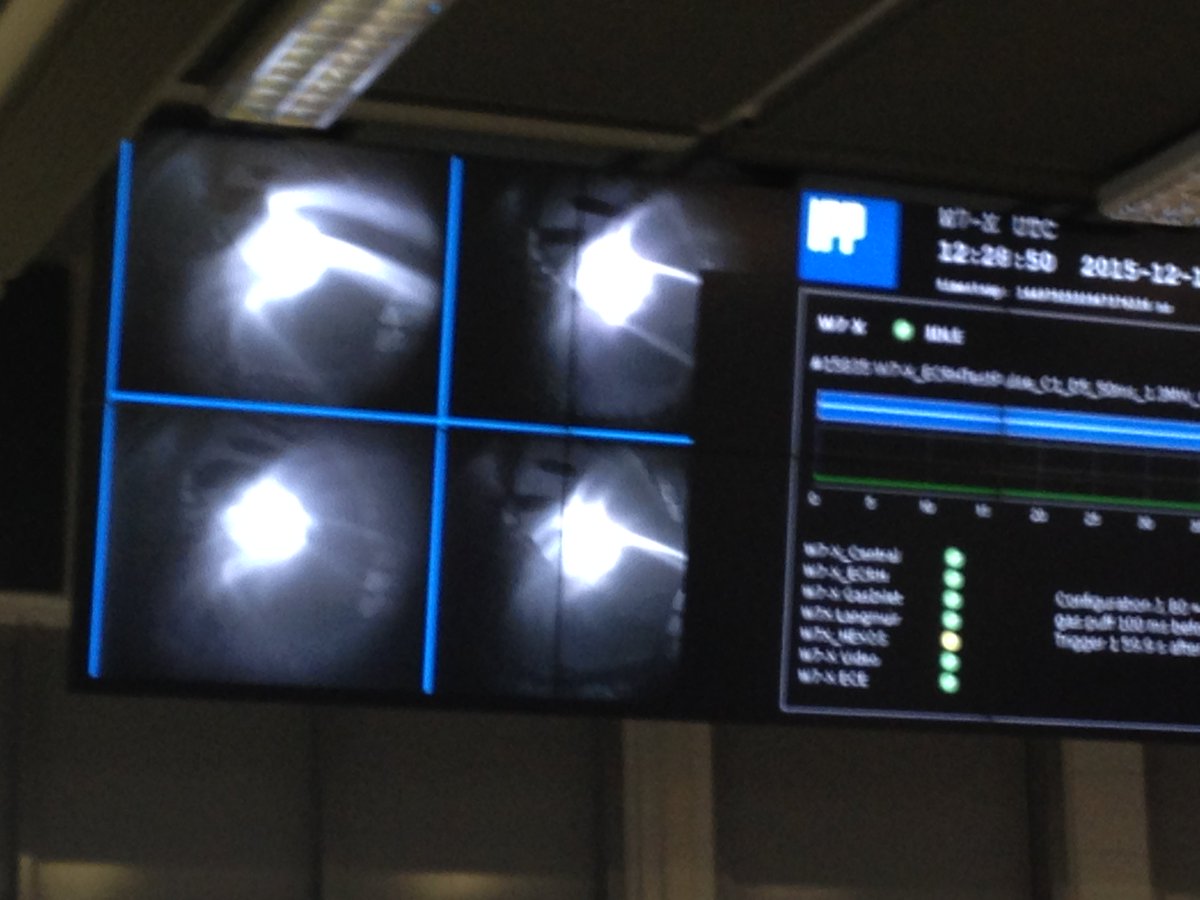
But that's changing. At the end of 2015, Germany switched on a massive nuclear fusion reactor that's since successfully been able to contain a scorching hot blob of hydrogen plasma.


Das erste Plasma!!! / The first plasma!!! (js) #W7X


They're not the only ones, either, with South Korea and China both achieving record-breaking reactions in their own fusion machines. The UK has also switched on a revolutionary type of reactor that is now sustainably generating plasma within its core.

In fact, one MIT scientist has enthusiastically predicted that thanks to all these new advances, we should be able to get fusion energy on the grid by 2030.

6. Researchers are closer than ever before to having a drug that can treat autism symptoms
A small, but promising clinical trial in the US showed this year that a 100-year-old drug called suramin can measurably improve the symptoms of autism spectrum disorder (ASD) in children.

There's a lot more work to be done, but it's the first time we've been so close to having a drug that can potentially treat ASD symptoms. 

7. Scientists have discovered that crystals can be bent
Researchers have shown that crystals - which are traditionally brittle and inflexible - can be so flexible they can be bent repeatedly and even tied up in knots, overhauling our current understanding of the structures and challenging the very definition of a crystal.

The research opens up a whole new class of materials that could revolutionise electronics and technology.

QUT

8. You no longer need to pay ridiculous amounts to access peer-reviewed science research
The scientific community is fighting back against crazy paywalls, with a new study showing that more than a quarter of all scientific papers are now available free online thanks to the Unpaywall app.

9. We're getting really close to eradicating the second disease from the planet
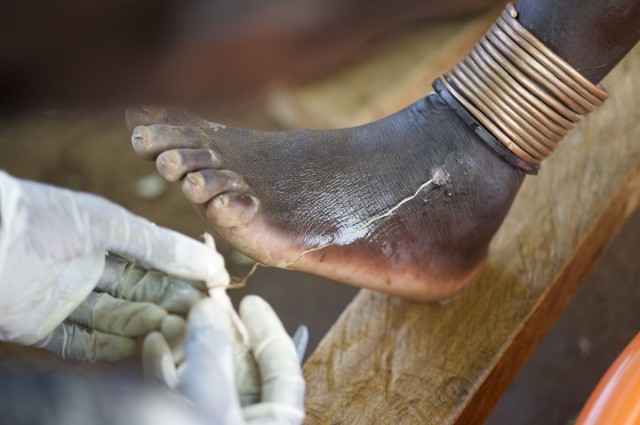
First, humans got rid of smallpox. Now we're on the verge of wiping out the Guinea Worm parasite, which is a living nightmare that painfully erupts from people's skin.

At the start of 2015 there were just 126 cases of Guinea Worm left on Earth, mostly thanks to an ingenious and cheap drinking straw filter that stops people from being contaminated via water. As of May this year, there were only nine recorded cases.

L. Grubb/The Carter Centre

10. Finally, schools around the US are pushing back their start times
After numerous studies showing US schools start so early that they're putting a health strain on students, schools around the country are finally beginning to take note and shift their start time from 8.00 am to 8.30 am. And it's working surprisingly well.

11. Scientists think they might be able to reverse Alzheimer's memory loss
Lost memories might not be gone forever. An enzyme that interferes with key memory-forming processes in people with Alzheimer's can now be specifically targeted thanks to the discovery of a protein that helps it do its dirty work, according to new research out of MIT.

12. You could win US$1 million by solving this chess puzzle
Generous scientists are offering a US$1 million prize to anybody who can solve a fiendishly complicated twist on a classic chess problem called the Queen's Puzzle.

The beauty of the challenge is you don't even really need to understand the rules of chess to take part, but the catch is that it's so complicated the researchers predict it could take thousands of years... still, no risk, no reward, right? 


13. We've discovered a vitamin that could reduce the incidence of birth defects and miscarriages worldwide 
In what scientists are calling "the most important discovery for pregnant women since folate", a 12-year study has revealed that women could avoid miscarriages and birth defects by simply taking vitamin B3 during pregnancy.

So far, this effect has only been demonstrated in animal studies, but the results are extremely encouraging and human trials are imminent.

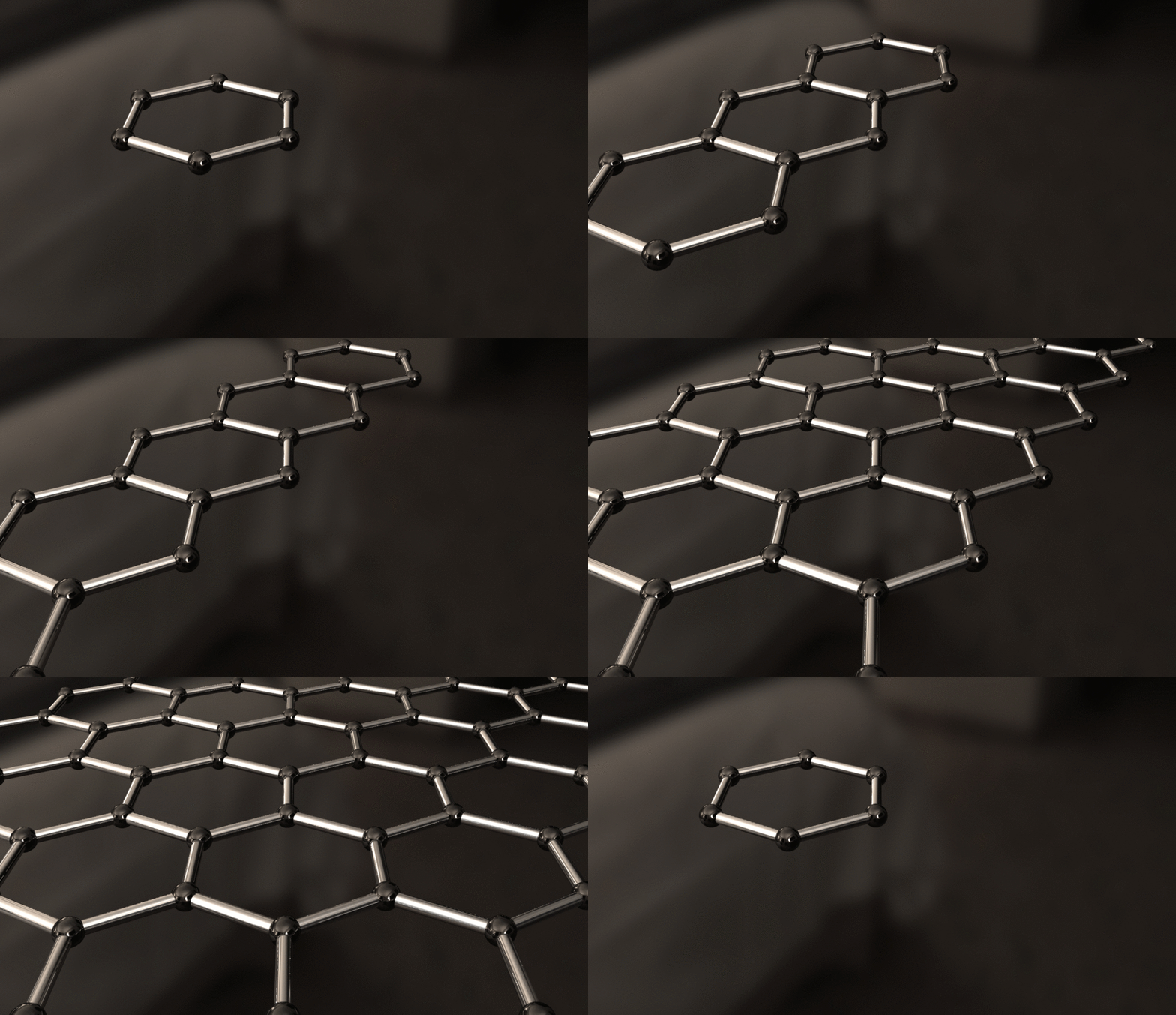
14. Graphene's superconductive abilities have finally been unlocked... 
At the start of this year, researchers finally unlocked the long-rumoured superconductive power of graphene, without having to dope the material.

Since then scientists have found even better ways of turning the wonder material into a superconductor, capable of shuttling electrons with zero resistance.

15. ...And researchers have shown electrons can flow through the material like liquid
Potentially even more impressive: researchers have shown that, through a new technique, electrons can actually flow through graphene like liquid, reaching limits physicists previously thought were impossible. This 'superballistic flow' could prove to be even more effective than superconductivity.


ORIGINAL IFLSCIENCE
FIONA MACDONALD
6 SEP 2017


We Recommend

martes, 14 de marzo de 2017

What Happened When We Took the SCiO Food Analyzer Grocery Shopping

Scanning tomatoes at Whole Foods with the handheld SCiO spectrum analyzer--the system pronounces the quality
Photo: Tekla Perry
I’m at a Whole Foods in Palo Alto with Dror Sharon, cofounder and CEO of Consumer Physics, based in San Francisco and Israel. Sharon is holding his smartphone and a tiny handheld device he calls SCiO, which is about the size of a TicTac box. We are browsing around the produce department, checking out the Brix level of various items. The Brix number represents the sugar content of a solution and, for fruits, is an indicator of whether or not a particular fruit has much flavor. The tomatoes, according to the SCiO’s accompanying smartphone app, are horrible; not a big surprise in March. The apples are mixed, there is only one variety Sharon would buy right now. The mangos, he proclaims, are just perfect, and contemplates filling a bag before we go.

Scanning cheeses at Whole Foods using the tiny SCiO spectrum analyzer, screen shows fat, protein, and calories
Photo: Tekla PerryTesting the SCiO portable analyzer at the Whole Foods dairy case
We move onto the dairy case, where the labels of cellophane-wrapped cheeses provided only price and name. Sharon’s smartphone app popped up all sorts of additional information as he pointed the SCiO gadget at different chunks (still in their wrapping), including fat content, calories per gram, and protein content.


On the way to Whole Foods, we stopped outside a restaurant where two women were having brunch, and asked them if we could scan their food before they ate it. Sharon told them the strawberries would be excellent (they women agreed they were), but the whipped cream would be abnormally sweet, there was so much sugar in it wasn’t recognizable as dairy (it was).

It was all pretty magical, pointing a gadget at food and getting an instant analysis. To be fair, I can’t verify the accuracy of what I was seeing on the screen; I didn’t take the fruits and cheeses back to a laboratory to confirm the analysis using more traditional technology. But it certainly seemed real, real enough that I would be pretty excited to have this kind of technology built into my smart phone, given I have my phone out anyway when I’m grocery shopping to scan shelf tags in order to download coupons. And Sharon promises it is indeed coming into phones—as soon as the third quarter of this year in China, fourth quarter in the United States.

Here’s how SCiO works—and why it exists.
Using the SCiO food analyzer to determine the carb, water, and calorie content of an apple
Photo: Tekla PerryThese apples should be pretty good
The gadget uses standard infrared spectroscopy; it measures the absorption of infrared light. It may not be as accurate as a benchtop spectrometer used in a laboratory environment, but Sharon says it makes up for this with its algorithms. The user starts out by simplifying the problem a bit by identifying the category of the item to be examined—it’s not “What fruit is this,” but, “This is an apple, is it any good?” Consumer Physics’ cloud-based software then taps into its knowledge base, for an apple, it defines “good” as “sweet” (hence the Brix measurement), and considers an apple’s typical range of sweetness based on thousands of scans. A graphic on the phone then places the apple on a quality range.

Besides having data on most fruits and vegetables, the system also knows about dairy products; for those, it provides information on calories and fat content. And it knows about the cocoa content of chocolate, the amount of alcohol in drinks, and the protein, fat, and calories in raw fish, poultry, beef, and pork. And while, to date, the focus has been on food, Sharon stresses that the technology works with all sorts of materials. The company has started holding workshops for people who want to develop their own databases.

Sharon had been wanting this kind of gadget for a long time before he finally set out to build one. He grew up on a farm in Israel; he was used to eating produce that hadn’t been shipped further than across the property. So, when he moved to Massachusetts for business school at MIT (his bachelor’s degree is in electrical engineering), he was surprised by just how tasteless he found the produce at local groceries. “The food just didn’t taste the same. And when I saw that I was buying grapes from Chile, I was sure something was not right about them.”

He decided that he should get himself something to determine whether or not the food in the stores was any good before he bought it, so he logged onto Amazon and searched for such a gadget. He didn’t find one. Disappointed, he resigned himself to occasionally buying tasteless produce or traveling 30 miles to a grocer he discovered that he could trust.

But about five years later, in 2010, after a few years working in the U.S. and then moving back to Israel, he came back to the idea. There ought to be a scanner that could give you useful information about the food you are about to buy, he insisted. He teamed up with Damian Goldring, a friend from his undergraduate days with a PhD in silicon photonics, and the two started investigating sensing technologies that, potentially, could be built into a phone. They landed on infrared spectrometry, and, in 2011, started Consumer Physics. In mid-2012, they rented one of those expensive, luggable, commercial spectrometers for a day and demonstrated to a large cellular service provider that the technology could be used to analyze food, doing a demo on chocolate mixtures that looked the same, but had different substances mixed in, like regular butter and peanut butter. “We’re going to put this into a phone,” Sharon said. (The company didn’t fund them.)

Testing the SCiO handheld spectrum analyzer on tomatoes
Photo: Tekla PerryDon’t buy these tomatoes
Sharon and Goldring may not have convinced that company, but they had convinced themselves, and began working on the technology, first on their own dime, and then with a little money from angel investors and crowd-sourced funding from OurCrowd. In early 2014, they were convinced enough that they could deliver the technology as a small Bluetooth peripheral—not inside a phone quite yet, but pretty close—to launch a Kickstarter campaign, pitching a $200 portable infrared spectrometer. Some 13,000 people signed up, ponying up about $2.7 million.

Things from Kickstarter funding to shipped product were not exactly smooth sailing. Come September of 2016, we reported that only 5000 of the Kickstarter backers had received products, far later than originally estimated, and many of the remaining backers were angry. To make things worse, the backers could no longer communicate with the company via Kickstarter, the page had been taken down in a trademark dispute over the name “SCiO”.

What happened? Sharon says the delays were due to manufacturing challenges, as well as a redesign to improve sensitivity, resistance to ambient light, and penetration depth. And the company has now fulfilled almost all of its Kickstarter orders, with the exception of customers who haven’t yet provided shipping addresses, have unique shipping requirements, or are choosing to wait for a Special Edition version of the gadget—that’s fewer than 10 percent of the backers, Sharon says.

But while the Kickstarter rollout was more than normally bumpy, the company’s efforts to get venture funding have born, well, fruit. After picking up some funding from angel investors and people using crowdfunding platform OurCrowd, Consumer Physics closed a round of venture investment led by Khosla Ventures. To date, Sharon said, funding totals over $25 million.

Photo: Tekla PerryThanks to Analog Devices, the SCiO technology can now fit inside a smart phone
The company also lined up some critical partnerships: with Analog Devices, which worked with the company to reduce the size of the sensor package into something that will easily fit into smartphones and is manufacturing this version of the device; and with Chinese phone manufacturer Changhong, which will be incorporating the technology in the Changhong H2 smartphone starting in China in the third quarter of this year and in the U.S. towards the end of 2017. Consumers in China, Sharon points out, are particularly interested in checking food safety, given the history of problems with the food supply. Sharon hopes other smartphone manufacturers will follow, turning using a phone to scan food as common a practice as using one to photograph food.

Consumer Physics now has about 100 employees, with corporate offices in San Francisco, a sales team based in the Midwestern United States, and a development team in Israel. Dozens of people are scanning food 24/7, Sharon said, to increase the kinds of food that can be analyzed as well as the accuracy of the analysis.

While the initial applications surround food, Sharon says that the technology is not just for checking out food freshness and nutritional information; it’s good at analyzing body fat, and distinguishing real pharmaceuticals from their fake counterparts. “We’ve done a demo that distinguishes real Viagra from fake Viagra,” says Sharon. “That’s the most commonly counterfeited drug.”

Consumer Physics has, to date, shipped more than 3000 developer kits, and is hoping some interesting consumer applications will emerge. One such in the works by French company Terallion, Sharon said, is a kitchen scale, intended for diabetics, that can use SCiO’s analysis to allow it to give users accurate information about protein and carbohydrate content of the food they are about to eat. The company is also working directly with industrial partners, in particular, with those working to develop tools for digital agriculture.

ORIGINAL: IEEE Spectrum
14 Mar 2017

jueves, 29 de septiembre de 2016

New Memristor Circuit Mimicks Synapses in the Brain


Illustration: University of Massachusetts, Amherst
To a human brain, picking one particular image out of a thousand is an easy task. Billions of neurons and the synapses that connect them can quickly process information in parallel to make a decision. Seeking to make such processing that easy for machines, scientists and engineers have been working with devices called memristors, which have some similar behaviors to neural synapses. Engineers at the University of Massachusetts report this week that they’ve invented a memristor circuit that matches a synapses’ behavior more closely than any before.

First predicted in 1971 and invented in 2008 by HP, memristors are so named because they remember how much voltage you applied across the device and how long you applied it, storing the information as a change in resistance. HP engineers noticed immediately that such a characteristic was similar to the way the synaptic connection between neurons strengthens with use to form a memory.

Memristors are “kind of the ideal candidate in many aspect” says Jianhua Yang, an electrical engineer at the University of Massachusetts Amherst working on improving their behavior. Low-power, simple circuits of memristors could improve the ability of computers to solve power-intensive computer vision and machine learning tasks that human brains handle with little effort.

In research published in Nature Materials on 26 September, Yang and his team mimicked a crucial underlying component of how synaptic connections get stronger or weaker: the flow of calcium.

The movement of calcium into or out of the neuronal membrane, neuroscientists have found, directly affects the connection. Chemical processes move the calcium in and out— triggering a long-term change in the synapses’ strength. 2015 research in ACS NanoLetters and Advanced Functional Materials discovered that types of memristors can simulate some of the calcium behavior, but not all.

In the new research, Yang combined two types of memristors in series to create an artificial synapse. The hybrid device more closely mimics biological synapse behavior—the calcium flow in particular, Yang says.

The new memristor used--called a diffusive memristor because atoms in the resistive material move even without an applied voltage when the device is in the high resistance state—was a dialectric film sandwiched between Pt or Au electrodes. The film contained Ag nanoparticles, which would play the role of calcium in the experiments.

By tracking the movement of the silver nanoparticles inside the diffusive memristor, the researchers noticed a striking similarity to how calcium functions in biological systems.

A voltage pulse to the hybrid device drove silver into the gap between the diffusive memristor’s two electrodes–creating a filament bridge. After the pulse died away, the filament started to break and the silver moved back— resistance increased.

Like the case with calcium, a force made silver go in and a force made silver go out.

To complete the artificial synapse, the researchers connected the diffusive memristor in series to another type of memristor that had been studied before.

When presented with a sequence of voltage pulses with particular timing, the artificial synapse showed the kind of long-term strengthening behavior a real synapse would, according to the researchers. “We think it is sort of a real emulation, rather than simulation because they have the physical similarity,” Yang says.

He says the next step is to better understand the mechanisms. Then, his team plans to combine the artificial synapses into arrays and eventually build bio-inspired circuits.

“We can have a more direct, more natural, and a more complete emulation to the synaptic system using the silver-based system,” he says.

ORIGINAL: IEEE Spectrum
By Andrew Silver
Posted 29 Sep 2016

miércoles, 7 de septiembre de 2016

Carbon Nanotube Transistors Finally Outperform Silicon

Photo: Stephanie Precourt/UW-Madison College of Engineering
Back in the 1990s, observers predicted that the single-walled carbon nanotube (SWCNT) would be the nanomaterial that pushed silicon aside and created a post-CMOS world where Moore’s Law could continue its march towards ever=smaller chip dimensions. All of that hope was swallowed up by inconsistencies between semiconducting and metallic SWCNTs and the vexing issue of trying to get them all to align on a wafer.

The introduction of graphene seemed to take the final bit of luster off of carbon nanotubes’ shine, but the material, which researchers have been using to make transistors for over 20 years, has experienced a renaissance of late.

Now, researchers at the University of Wisconsin-Madison (UW-Madison) have given SWCNTs a new boost in their resurgence by using them to make a transistor that outperforms state-of-the-art silicon transistors.

“This achievement has been a dream of nanotechnology for the last 20 years,” said Michael Arnold, a professor at UW-Madison, in a press release. “Making carbon nanotube transistors that are better than silicon transistors is a big milestone,” Arnold added. “[It’s] a critical advance toward exploiting carbon nanotubes in logic, high-speed communications, and other semiconductor electronics technologies.”

In research described in the journal Science Advances, the UW-Madison researchers were able to achieve a current that is 1.9 times as fast as that seen in silicon transistors. The measure of how rapidly the current that can travel through the channel between a transistor’s source and drain determines how fast the circuit is. The more current there is, the more quickly the gate of the next device in the circuit can be charged .

The key to getting the nanotubes to create such a fast transistor was a new process that employs polymers to sort between the metallic and semiconducting SWCNTs to create an ultra-high purity of solution.

“We’ve identified specific conditions in which you can get rid of nearly all metallic nanotubes, [leaving] less than 0.01 percent metallic nanotubes [in a sample],” said Arnold.

The researchers had already tackled the problem of aligning and placing the nanotubes on a wafer two years ago when they developed a process they dubbed “floating evaporative self-assembly.” That technique uses a hydrophobic substrate and partially submerges it in water. Then the SWCNTs are deposited on its surface and the substrate removed vertically from the water.

“In our research, we’ve shown that we can simultaneously overcome all of these challenges of working with nanotubes, and that has allowed us to create these groundbreaking carbon nanotube transistors that surpass silicon and gallium arsenide transistors,” said Arnold.

In the video below, Arnold provides a little primer on SWCNTs and what his group’s research with them could mean to the future of electronics.


In continuing research, the UW-Madison team will be aiming to replicate the manufacturability of silicon transistors. To date, they have managed to scale their alignment and deposition process to 1-inch-by-1-inch wafers; the longer-term goal is to bring this up to commercial scales.

Arnold added: “There has been a lot of hype about carbon nanotubes that hasn’t been realized, and that has kind of soured many people’s outlook. But we think the hype is deserved. It has just taken decades of work for the materials science to catch up and allow us to effectively harness these materials.”

ORIGINAL: IEEE
By Dexter Johnson
6 Sep 2016

sábado, 9 de julio de 2016

Watch This Amazing 3D Bioprinter Make Artificial Bones From Scratch

Image credit: Aether
If 3D printing is already impacting manufacturing today, what breakthroughs could bioprinting — or printing any mix of organic and inorganic materials — achieve tomorrow? In a recent video, a basic prototype of the Aether 1 bioprinter is shown printing two bones connected by a tendon using six materials that include synthetic bone, conductive ink, stem cells and graphene oxide.

While bioprinted organs are still a long way off — this video offers a glimpse into that future.


According to Aether, the printer works with a wide range of materials — organic, non-organic and both — and is flexible about where those materials come from (instead of requiring anything proprietary). It can include 10 different materials in one print (way more than your average bioprinter) and is compatible with other tools like laser cutters and CNC routers. The printer’s universal tool mounts can even be used with pencils and paintbrushes—or whatever else — for making designs on canvas or other materials.

Such a range of possibilities begins to shift the limitations from the hardware to the imagination of the user. What really stands out in this video is the final product — fabricated bones seeded with two kinds of stem cells hooked together with tendons, transistors, and conductive wires. And this is only a test. What else will researchers and makers come up with?

Of course, if it’s not already obvious, their creation isn’t ready for implantation in anyone, though it does show off the machine’s versatility in an eye-catching way. And beyond versatility, the real selling point may be its price. Aether hopes to offer their printer for around $9,000 — while other bioprinters can cost up to $200,000. 

For such bold claims — can they deliver? The announcement and video is only the first in a series which, according to Aether, will show off even greater functionality. Similar price reductions in 3D printers (that don’t bioprint) have met challenges commercially. But falling prices are a key trend to keep track of in any digitally driven technology like 3D printing.

And it should be noted, there are other companies wading into bioprinting too.

An early player, Organovo is currently working with researchers to use 3D printed tissues to test drug toxicity, and last year, they announced a partnership with cosmetics giant L’Oréal to test beauty products on3D printed skin samples (and hopefully lessen reliance on animal testing). Meanwhile, BioBots is making a bioprinter about the same size and cost as Aether’s but with more focused use cases, like 3D printing tissues for research purposes.

We’ll have to wait for more substantial news to see just how all this fits together. This summer will see the first wave of Aether machines donated to universities and researchers while presale beta units are distributed to customers. By fall 2016, they hope to launch retail sales.

What would you use it for?


ORIGINAL: Singularity Hub

jueves, 23 de junio de 2016

50 Smartest Companies 2016

50 Smartest Companies 2016. Credit: Illustration by Matthew Hollister
Our editors pick the 50 companies that best combine innovative technology with an effective business model.
Each year we identify 50 companies that are “smart” in the way they create new opportunities. Some of this year’s stars are large companies, like Amazon and Alphabet, that are using digital technologies to redefine industries. Others are wrestling with technological changes: companies like Microsoft, Bosch, Toyota, and Intel. Also on the list are ambitious startups like 23andMe, a pioneer in consumer-accessible DNA testing; 24M, a reinventor of battery technology; and Didi Chuxing, a four-year-old ride-hailing app that’s beating Uber in the Chinese market. Still, despite the excitement of recent advances in such fields as artificial intelligence and genomic medicine, technology has failed to energize the overall economy. In our opening essay, we explore why that is so and what needs to change.


1 Amazon
Headquarters: Seattle, Washington
Industry: Internet & Digital Media
Status: Public
Valuation: $337 billion
Last year we included Amazon on our list of the 50 Smartest Companies for incorporating robots into its fulfillment centers. This year the standout is the surprising success of its Alexa Voice Service and the growing family of devices it powers (the Amazon Echo, Echo Dot, and Tap). Alexa makes it easy to search the Web, play music, and adjust your lights and thermostat—just by speaking inside your home. Amazon Web Services, the company’s cloud-computing operation, also deserves notice as the Industry: leader and Amazon’s fastest-growing and most profitable division.
$89.99 What the Echo Dot, the most affordable device to feature Alexa Voice Service, sells for.

RELATED STORIES


2 Baidu
Headquarters: Beijing, China
Industry: Internet & Digital Media
Status: Public
Valuation: $55 billion
Outside its core business of Internet search and ad sales, Baidu is doing notable work on speech recognition and conversational interfaces. In 2015, it announced the development of a speech recognition engine called Deep Speech 2 that uses deep learning to recognize spoken words, sometimes more accurately than a person can. Baidu conducts AI research in part to improve its products and services and better compete with rivals such as Alibaba and Tencent. The company is also aggressively pursuing the autonomous-car market and recently established a team in Silicon Valley to lead research and engineering in computer vision, robotics, and sensors, among other areas.
100 Baidu plans to employ more than 100 autonomous-car researchers and engineers in California by year’s end.

RELATED STORIES


3 Illumina
Headquarters: San Diego, California
Industry: Biotech
Status: Public
Valuation: $20 billion


The world’s largest DNA-sequencing company hopes to expand its technology’s role in diagnosing illness. This year it formed a new companyto develop blood tests that cost $1,000 or less and can detect many types of cancer before symptoms arise, greatly improving the chances of survival. The spinoff, called Grail, is being headed by Jeff Huber, a former senior Google executive who lost his wife to colon cancer. The testing concept, sometimes called a “liquid biopsy,” uses Illumina’s high-speed sequencing machines to scour a person’s blood for fragments of DNA released by cancer cells.
$2.2 billion Revenue reached last year, up 19 percent from the previous year.

RELATED STORIES


4 Tesla Motors
Headquarters: Palo Alto, California
Industry: Transportation
Status: Public
Valuation: $28 billion


Tesla topped this list last year for its plan to extend its battery technology from cars to residential and commercial applications. This year, Tesla’s Autopilot technology stands out for the way it integrates feedback from a camera, radar, ultrasonic sensors, and GPS to aid drivers on highways, help them avoid collisions, and assist them in parking. Besides advancing semi-autonomous driving, Tesla is also making electric vehicles more accessible by introducing its most affordable car yet, the $35,000 Model 3.
50 percent According to CEO Elon Musk, drivers have a 50 percent lower chance of having an accident when driving with Tesla Autopilot.

RELATED STORIES


5 Aquion Energy
Headquarters: Pittsburgh, Pennsylvania
Industry: Energy
Status: Private
Valuation: Valuation: not available, $190 million raised


Aquion continues to raise money for its innovative batteries, which have made it a successful startup in a notoriously tough Industry:. Investors include Bill Gates and Kleiner Perkins Caufield & Byers as well as the corporate venture capital arms of energy Industry: giants Shell and Total. Invented by Carnegie Mellon professor Jay Whitacre, the batteries are made with nontoxic materials that can provide long-term storage of energy from solar, wind, and other intermittent sources at a very low cost. Whitacre says the company’s been disciplined in its development of a manufacturing process, basing it on existing models and materials to improve its chance of working.
Backers Include Bill Gates, Shell.

RELATED STORIES


6 Mobileye
Headquarters: Jerusalem, Israel
Industry: Computing & Communications
Status: Public
Valuation: $8 billion


How can automakers compete with companies developing self-driving vehicles, such as Google parent Alphabet? One increasingly popular option is to partner with Mobileye, which makes machine vision systems and motion detection algorithms that warn drivers when they are deviating from driving lanes or about to collide with cars in front of them. Mobileye is already working on autopilot and collision avoidance technology for Audi, BMW, General Motors, Nissan, Tesla, Volkswagen, and Volvo and recently inked an agreement with two undisclosed automakers to provide systems for fully autonomous cars.
600 Number of employees who are annotating the images used to train its autonomous driving system.


7 23andMe
Headquarters: Mountain View, California
Industry: Biotech
Status: Private
Valuation: $1.1 billion Valuation:


Now focused on getting its customers to share their data with medical researchers, 23andMe has partnered with leading medical centers, including Stanford and Mount Sinai. To date, the company has gathered DNA from more than one million customers, more than 80 percent of whom they say are participating in research.
One million The company has sequenced the DNA of more than one million customers.

RELATED STORIES


8 Alphabet
Headquarters: Mountain View, California
Industry: Internet & Digital Media
Status: Public
Valuation: $491 billion


Google parent company Alphabet pursues many projects, including a number of riskier “moon shot” technologies, but its ventures into AI and autonomous driving are the standouts. Earlier this year, DeepMind—which is part of Google—attracted global attention for beating a world champion player at the game Go. The matchup revealed the sophistication of its AI technology. Alphabet also continues to work on fully autonomous cars and recently signed a deal to incorporate its technology into Chrysler minivans—its first partnership with a major automaker.
1.6 million Number of miles Alphabet’s autonomous cars have driven so far.

RELATED STORIES


9 Spark Therapeutics
Headquarters: Philadelphia, Pennsylvania
Industry: Biotech
Status: Public
Valuation: $918 million
The company’s focus is on developing one-time, life-altering treatments for debilitating genetic diseases, a whole new model of personalized, precise treatment. Many of its key personnel come from the Children’s Hospital of Philadelphia, and their work focuses on finding treatments for rare diseases where no or only palliative therapies exist currently.
Collaborators Corporate collaborators include Pfizer, Genable Technologies, and Clearside Biomedical.

RELATED STORIES


10 Huawei
Headquarters: Shenzhen, China
Industry: Computing & Communications
Status: Public
Valuation: $1 billion
Huawei has been selling cell phones for more than a decade and smartphones since 2009, but it long struggled to break into the premium-device and U.S. markets. Its 2015 launch of the Nexus 6P phone, which it co-designed and manufactured for Google, showed it can make high-end, high-quality smartphones. Continued strength in entry-level devices, coupled with growing clout in more expensive phones, helped Huawei grow smartphone shipments 58 percent year-over-year and become the no. 3 smartphone vendor worldwide.
27.5 million Number of smartphones Huawei shipped in the first quarter of 2016, according to market researcher IDC.

RELATED STORIES


11First Solar
Headquarters: Tempe, Arizona
Industry: Energy
Status: Public
Valuation: $5 billion
First Solar designs and manufactures solar panels using a low-cost thin-film semiconductor technology and also develops solar farms that utilities can use. It differs from many solar companies in that it is in the black, making $546 million in profit in 2015 on nearly $3.6 billion in revenue.
$546 million Profits earned in 2015.

RELATED STORIES


12 Nvidia
Headquarters: Santa Clara, California
Industry: Computing & Communications
Status: Public
Valuation: $22 billion


A number of chip makers are targeting the autonomous-car market, andNvidia is distinguishing itself by offering an entire platform and accompanying software development kit for self-driving cars. The platform uses AI to give vehicles “360° situational awareness.” Nvidia says that more than 50 automakers (including Audi, BMW, Ford, and Tesla), suppliers, developers, and research institutions are experimenting with the platform. Nvidia is also using its strength in gaming graphics chips to move into the VR market and released a platform (chip module plus developer kit) for drones last year.
$1.3 billion Revenue increased 13 percent in the most recent quarter, to $1.3 billion, compared with $1.15 billion a year ago.

RELATED STORIES


13 Cellectis
Headquarters: New York City, New York
Industry: Biotech
Status: Public
Valuation: $1 billion


Cellectis is scheduled to do a formal trial of its engineered immune cells as a leukemia treatment as soon as this year. This field of immune engineering was one of our 10 Breakthrough Technologies of 2016, and Cellectis is shaping its early development.
$300 million Though not profitable, the company has over $300 million in cash, enough to last through 2018.

RELATED STORIES


14 Enlitic
Headquarters: San Francisco, California
Industry: Biotech
Status: Private
Valuation: Valuation: not available, $15 million raised


Enlitic produces deep-learning software that can analyze x-rays. It’s being tested by radiologists in Australia, which will be key to establishing how well it can help doctors make diagnoses and design treatments. The recent departure of its founder Jeremy Howard, well known in the machine-learning field, seems to pose a challenge for the company, but new leadership asserts that applications of its algorithms will soon expand to the detection of lung cancer and bone fractures.
50 percent Claims its algorithm read chest CT images 50 percent more accurately than experts in its own test.

RELATED STORIES


15 Facebook
Headquarters: Menlo Park, California
Industry: Internet & Digital Media
Status: Public
Valuation: $345 billion


Facebook continues to develop its mobile advertising business and refine its mobile apps, but the Oculus Rift is its most exciting technology right now. Following years of anticipation, the virtual-reality headset was released in late March.
$599 Rift sells for $599.

RELATED STORIES


16 SpaceX
Headquarters: Hawthorne, California
Industry: Transportation
Status: Private
Valuation: $12 billion


If spaceflight were more affordable, more missions could be flown, more scientific discoveries could be made, and new business opportunities could open up. SpaceX has figured out the first step toward driving down costs by landing its rocket boosters on ships after sending them into space. Retrieving rockets makes it possible to reuse them. SpaceX plans to eventually schedule launches every few weeks.
Four Number of times SpaceX attempted to land a rocket on a barge before succeeding.

RELATED STORIES


17 Toyota
Headquarters: Toyota City, Japan
Industry: Transportation
Status: Public
Valuation: $152 billion


The Toyota Research Institute will study the future of mobility, artificial intelligence, and robotics. Other recent forward-looking moves include the launch of Mirai, a hydrogen-fuel-cell vehicle for the mass market. Mirai has a range of over 300 miles and emits only water vapor. Toyota is now working on developing a network of affordable hydrogen fuel stations.
Leader Roboticist Gill Pratt is CEO of the Toyota Research Institute.

RELATED STORIES


18 Airware
Headquarters: San Francisco, California
Industry: Computing & Communications
Status: Private
Valuation: Valuation: not available, $70 million raised


Airware is already one of the biggest drone startups, having raised more than $70 million in venture funding, and it is poised to become much bigger. Rather than actually making drones, it provides a control system for any type of drone.
Leader Airware’s founder and CEO also leads an investment fund that supports businesses creating technologies for commercial drones.

RELATED STORIES


19 IDE Technologies
Headquarters: Kadima, Israel
Industry: Energy
Status: Private
Valuation: Valuation: not available (owned in equal parts by publicly traded Delek Group and Israel Chemical)


Its large-scale desalination process is finding more customers. In the U.S. IDE won the job of reactivating a mothballed plant in Santa Barbara, California, and its prospects look strong as long as extracting salt from water to make it potable continues to be economical. Demand will certainly be there: worldwide, some 700 million people don’t have access to enough clean water, and that number is expected to explode to 1.8 billion by 2025.
26 percent By October IDE will be producing 26 percent of Santa Barbara’s water.


20 Tencent
Headquarters: Shenzhen, China
Industry: Transportation
Status: Public
Valuation: $193 billion


Tencent is Asia’s largest Internet company, with a well-used Web portal and a messaging app, WeChat, that is China’s largest. The company recently branched into the enterprise market by launching a business-focused version of WeChat that facilitates communication (messages, phone calls, e-mails) between colleagues, as well as employee expense reports and other record-keeping. Since Tencent derives most of its revenue from online and smartphone games, it has also been investing in mobile-games companies, including the U.S. firms Glu Mobile, and Pocket Gems. It recently bought Riot Games, which makes the hit League of Legends.
78 percent Tencent’s largest business segment, mostly games, accounts for 78 percent of its revenue.

RELATED STORIES


21 Didi Chuxing
Headquarters: Beijing, China
Industry: Transportation
Status: Private
Valuation: Reported Valuation: $28 billion


Chinese roads are jammed, and a rise in car ownership has led to a jump in people interested in part-time driving work, but competition with Uber has been fierce. Uber and Didi are battling for market share by paying drivers subsidies to pick up rides. Didi claims its drivers complete 14 million rides a day to Uber’s one million. The company’s ambitions don’t end at China’s borders. It has partnerships in India and Southeast Asia, including stakes in Lyft and Indian ride-share app Ola.
14 million Number of rides its drivers complete a day.

RELATED STORIES


22 Oxford Nanopore
Headquarters: Oxford, United Kingdom
Industry: Biotech
Status: Private
Valuation: Valuation: not available, $355 million raised


Its sequencer is small and portable—greatly expanding its applications and market—because it analyzes DNA by drawing the molecules through tiny, delicate pores. The platform, which went on sale in 2015 and is enough of a threat to competitor Illumina to draw a lawsuit, can analyze DNA, RNA, proteins, and other types of molecules. Potential applications include scientific research, personalized medicine, food safety, crop science, and security and defense. It will soon be tested in space.
Intellectual property Illumina, once an investor, is now suing the company for patent infringement.

RELATED STORIES


23 24M
Headquarters: Cambridge, Massachusetts
Industry: Energy
Status: Private
Valuation: Valuation: not available, $50 million raised


Lithium-ion batteries power everything from smartphones and tablets to electric cars and buses. They are expensive, however, and cumbersome to manufacture. Startup 24M developed a new design and manufacturing process that will cut costs. The battery Industry: is striving to produce batteries that cost $100 per kilowatt-hour or less, and 24M says its batteries will cross that threshold sooner than competitors—by 2020.
50 percent The company claims it can reduce the cost of lithium-ion batteries by 50 percent.

RELATED STORIES


24 Alibaba
Headquarters: Hangzhou, China
Industry: Internet & Digital Media
Status: Public
Valuation: $192 billion


Alibaba, which runs an eBay-like store, a popular virtual mall, and other e-commerce services, is now the world’s largest online marketplace as measured by annual gross merchandise volume. The growth of mobile and video ads also favors Alibaba, which already dominates the Chinese mobile-ad market and recently acquired Youku Tudou, China’s largest online video service. Beyond China, Alibaba has become a backer of other technology companies. In the past year, it invested in Groupon, Magic Leap, and Snapchat in the U.S., as well as the Indian payments and commerce business Paytm and Singapore’s national postal and logistics company, SingPost.
$485 billion Gross value of merchandise sold through Alibaba in its last fiscal year.

RELATED STORIES


25 Bristol-Myers Squibb
Headquarters: New York City, New York
Industry: Biotech
Status: Public
Valuation: $119 billion


Leads in cancer immunotherapy, working on “checkpoint inhibitors" for numerous forms of cancer. Opdivo, one of two inhibitors the company markets, works by allowing immune-system T cells to attack cancer. It’s approved for skin, lung, and kidney cancer, and when successful, the treatments appear to have enabled patients’ immune systems to eradicate their tumors. It is expensive, however, and that has caused issues with European regulators.
Five years One-third of patients with advanced melanoma survived for five years in a study of Opdivo.

RELATED STORIES


26 Microsoft
Headquarters: Redmond, Washington
Industry: Computing & Communications
Status: Public
Valuation: $405 billion


When we included Microsoft on last year’s list for its HoloLens augmented-reality technology, the system had not yet shipped. Now a preproduction “Developer Edition” is available and Microsoft is starting to use it for augmented-reality experiences. Attempting to switch its focus from desktop software to cloud and mobile services, and having recently announced a mammoth $26 billion purchase of business social network LinkedIn, the company is also pushing forward with innovative research, including some on deep neural networks that it has incorporated into Skype for simultaneous language translation. The research will also be applied to a variety of computer vision tasks.
152 A Microsoft network that won a global image recognition contest in 2015 used 152 layers of virtual neurons.

RELATED STORIES


27 Fanuc
Headquarters: Oshino-mura, Japan
Industry: Computing & Communications
Status: Public
Valuation: $30 billion


Fanuc began as part of Fujitsu and is the world’s largest maker of industrial robots. It recently announced a novel technology that will connect robots to networks so factory owners can download apps to them. In June 2015, Fanuc also partnered with a Japanese machine-learning company to create artificial-intelligence technology that enables its robots to learn skills independently.
Eight Number of hours a Fanuc robot needs to learn a task with 90 percent accuracy.

RELATED STORIES


28 Sonnen
Headquarters: Wildpoldsried, Germany
Industry: Energy
Status: Private
Valuation: Valuation: not available, more than $20 million raised, including GE Ventures’ recent investment


Its system connects homes with solar panels to lithium batteries in a storage system it calls a virtual power plant, offering consumers electricity that is 25 percent cheaper than power from the grid. The company’s new trading platform gives German homeowners a way to both purchase power and sell excess solar power across the utility grid.
25 percent Electricity on its system is 25 percent cheaper than the electricity on the grid, according to the company.

RELATED STORIES


29 Improbable
Headquarters: London, United Kingdom
Industry: Computing & Communications
Valuation: Valuation: not available, $22 million raised


The company, which came out of work done originally when the founders were students at the University of Cambridge, is developing an environment for building virtual worlds at a new scale and complexity. With advances in robotics and driverless cars, such simulations have become more important as a testing ground. Improbable’s technology allows large amounts of information to be shared between multiple servers nearly instantaneously, which is appealing to gaming developers looking to allow many players to experience a virtual world together.
Funding Andreessen Horowitz is a major backer.

RELATED STORIES


30 Movidius
Headquarters: San Mateo, California
Industry: Computing & Communications
Status: Private
Valuation: Valuation: not available, $90 million raised


Movidius makes chips for computer-vision applications, which will be necessary to develop smarter mobile devices and drones. Google’s Tango tablet uses Movidius chips, as does DJI’s Phantom 4 drone. Movidius also recently announced a new chip geared for augmented and virtual reality.
On the radar Drones using Movidius technology can sense obstacles to avoid collisions.

RELATED STORIES


31 Intrexon
Headquarters: Germantown, Pennsylvania
Industry: Biotech
Status: Public
Valuation: $3 billion


Its Oxitec division’s genetically engineered mosquito, which yields offspring that die quickly, has been released in Grand Cayman and parts of Brazil in an attempt to reduce the spread of Zika and other diseases. In March, the World Health Organization recommended a pilot deployment of Oxitec’s solution. The company has been buying up companies specializing in synthetic biology in a variety of applications, but it has not been transparent about how its technology works, leading to some negative speculation about the company.
$174 million Acquisitions increased sales from $8 million to $174 million in five years.

RELATED STORIES


32 Carbon
Headquarters: Redwood City, California
Industry: Energy
Status: Private
Valuation: Valuation: not available, $141 million raised


Carbon has developed a new technique based on stereolithography that it says is as much as 100 times faster than rivals’ 3-D printing methods and fast enough to be used in place of injection molding to produce certain parts. Carbon will face competition from HP, which has its own new printing technology based on a different class of materials. But the startup is backed by some high-powered investors, including Google Ventures, Sequoia Capital and Silver Lake Kraftwerk, and its board members include the former CEOs of Ford and DuPont.
$40,000 Use of its 3-D printers costs $40,000 a year.

RELATED STORIES


33 Bosch
Headquarters: Stuttgart, Germany
Industry: Computing & Communications
Status: Public
Valuation: $649 billion


Bosch’s vision for an industrial Internet of things starts with manufacturing facilities that are becoming increasingly connected and automated, a way to increase productivity in an era of global competition and relatively high domestic wages. The company estimates that by 2020 technologies like connected assembly lines, predictive maintenance, and machines that can do some self-monitoring will combine to boost company revenue by more than $1 billion while saving a comparable amount in operational expenses.
$80 billion Record revenue generated in 2015.

RELATED STORIES


34 T2 Biosystems
Headquarters: Lexington, Massachusetts
Industry: Biotech
Status: Public
Valuation: $201 million


T2 Biosystems has begun selling its technology for detecting the pathogenic fungus Candida, an often deadly infection. The test is run in three to five hours, as opposed to two to six days, and today 16 hospitals use it.
35 Number of customers who now use the company’s bench-top diagnostic system.

RELATED STORIES


35 Editas Medicine
Headquarters: Cambridge, Massachusetts
Industry: Biotech
Status: Public
Valuation: $1 billion


A pioneer of the controversial and exciting CRISPR gene-editing technology, Editas intends to begin testing a new form of gene repair in humans in 2017. The idea is to use CRISPR to cut out the genetic mutation that causes Leber’s congenital amaurosis, a rare retinal disease that leads to blindness, so the cell can repair itself with a normal version. Though CRISPR technology was invented just a few years ago, it is so precise and cheap to use that it has quickly become a tool in biology laboratories.
$94 million Money raised in its February IPO, and the stock is up 85 percent since then.

RELATED STORIES


36 Nestlé
Headquarters: Vevey, Switzerland
Industry: Biotech
Status: Public
Valuation: $238 billion


Food giant Nestlé has jumped into microbiome research, working to develop “healthy gut” products for its Health Science division. Among its bets on nutritional therapies, the company has made repeated investments in Seres Therapeutics, most recently investing $120 million in the company to support its efforts to develop medicines aimed at the bacteriological balance in the digestive tract. The first experimental treatments are focused on Clostridium difficile infection and inflammatory bowel disease.
$2 billion At a slow time for its core food business, its nutritional therapies division has reached $2 billion in annual revenue in its first five years, and more strong growth is predicted.

RELATED STORIES


37 RetroSense Therapeutics
Headquarters: Ann Arbor, Michigan
Industry: Biotech
Status: Private
Valuation: not available, $12 million raised


Its therapy uses optogenetics, a technology that uses a combination of gene therapy and light to precisely control nerves. In its treatment of retinitis pigmentosa, the eye is injected with viruses carrying DNA from light-sensitive algae; this is intended to confer light sensitivity on certain nerve cells in the eye.
$12 million Revenue raised from foundations and private investors as well as the Michigan Economic Development Corporation.

RELATED STORIES


38 Line, subsidiary of Naver
Headquarters: Tokyo, Japan
Industry: Internet & Digital Media
Status: Private
Valuation: expected to be more than $5 billion


Line’s growth has slowed, but it is still a leader among the world’s messaging apps when it comes to making money from its users. The company steadily introduces new features, such as chatbot functionality for corporate marketing campaigns and group calls for up to 200 people. (In comparison, Skype limits group calls to 25 people.) In its home market of Japan, Line offers taxi booking inside its app and will soon provide phone service through a deal with Japanese carrier NTT DoCoMo. Its IPO expected later this year could value the company at more than $5 billion.
218 million Number of monthly active users.


39 TransferWise
Headquarters: London, United Kingdom
Industry: Computing & Communications
Status: Private
Valuation: $1.1 billion


TransferWise matches people who looking to make currency trades around the world, at much lower fees than traditional institutions. It has already captured 5 percent of the U.K.’s money-transfer market and recently expanded to the U.S., Canada, Japan, and Mexico, among other places. Its goal of disrupting multinational banks and Western Union has attracted investments from Andreessen Horowitz and Richard Branson, among others.
$750 million Money TransferWise helps users exchange every month.

RELATED STORIES


40 Veritas Genetics
Headquarters: Danvers, Massachusetts
Industry: Biotech
Status: Private
Valuation: Not available


By making whole-genome sequencing and interpretation affordable, Veritas gives patients and doctors a fuller picture than what’s possible with common genetic tests, improving their diagnostic value. The company also offers cancer screening tests for $199 to $299.
$1,000 Whole-genome sequencing, including interpretation and counseling, costs under $1,000. The supply is limited to 5,000 customers in 2016.

RELATED STORIES


41 FireEye
Headquarters: Milpitas, California
Industry: Computing & Communications
Status: Public
Valuation: $2 billion


The company’s security system can be updated at any time to defend against constantly mutating cyber threats. It also encourages clients to focus on quickly resolving attacks, not just trying to avoid them. FireEye has grown to a significant size in an often fragmented Industry:, and it’s been hired to investigate high-profile cybersecurity failures at JPMorgan Chase, Sony Pictures, and Target.
In the works New products focus on securing public and private clouds and detecting targeted e-mail attacks.

RELATED STORIES


42 SevenBridges
Headquarters: Cambridge, Massachusetts
Industry: Computing & Communications
Status: Private
Valuation: Valuation: not available, $45 million raised


Its bioinformatics software platform runs one of the world’s largest genomic data sets, the U.S. National Cancer Institute’s Cancer Genome Atlas. This gives cancer researchers worldwide immediate access to a petabyte of patient data and computational resources to analyze it, facilitating research collaboration. SevenBridges is also storing and analyzing data from the 100,000 genomes collected by the British National Health Service. The company’s long-term vision is to support drug research and the practice of precision medicine customized to each patient.
11,000 Number of patients that have contributed 33 cancer types and subtypes to its Cancer Genomics Cloud.

RELATED STORIES


43 Slack
Headquarters: San Francisco, California
Industry: Computing & Communications
Status: Private
Valuation: $4 billion


In the past year, Slack’s number of daily users increased from 750,000 to three million. During that time, the company rolled out voice calls as a beta feature and launched a directory for third-party apps, an $80 million fund to invest in Slack developers, and a toolkit for creating chatbots. It also introduced a “Sign In with Slack” feature that lets business users sign up for apps using their Slack identity credentials. The momentum helped Slack raise $200 million more in funding, for a current total of $540 million, at a Valuation: of $3.8 billion.
Three million Number of daily active Slack users.

RELATED STORIES


44 Coupang
Headquarters: Seoul, South Korea
Industry: Internet & Digital Media
Status: Private
Valuation: $5 billion


Originally a Groupon clone, Coupang is now widely viewed as the Amazon.com of Korea. Like Amazon, it is betting on same-day delivery as an amenity to lure consumers. It has invested millions in a sophisticated logistics system that spans warehouses, trucks, thousands of delivery people, and proprietary algorithms to link everything together. Coupang is also focused on making it easier and more compelling to buy items via smartphone. The aggressive approach brought in $1 billion in funding from Japan’s SoftBank last year.
$5 billion Coupang’s most recent Valuation:.


45 IBM
Headquarters: Armonk, New York
Industry: Computing & Communications
Status: Public
Valuation: $142 billion


IBM remains in turnaround mode. It has suffered 16 consecutive quarters of declining sales but continues to invest in cloud computing and analytics. Part of that investment involves buying up companies such as Truven Health Analytics and the Weather Company. The purchases come with huge data sets IBM can use to train its AI system, Watson.
100 Number of clients that have built Watson into a product.

RELATED STORIES


46 Snapchat
Headquarters: Los Angeles, California
Industry: Internet & Digital Media
Status: Private
Valuation: $20 billion


Snapchat is still experimenting with innovative new content, which was the reason it made this list last year. This year, Snapchat’s most significant moves relate to expanding its advertising business. Advertisers value Snapchat as a way to reach consumers aged 13 to 34, but they have criticized the company for charging high rates without sharing much data about ads’ performance. Snapchat recently addressed these concerns by signing deals that let Viacom sell ads on its behalf and allow Nielsen to supply campaign data to advertisers.
10 billion Number of videos that are seen on the app every day.

RELATED STORIES


47 Africa Internet Group
Headquarters: Lagos, Nigeria
Industry: Internet & Digital Media
Status: Private
Valuation: $1 billion


Africa Internet Group (AIG) was founded by the German tech incubator Rocket Internet in 2012 and runs an array of e-commerce companies throughout Africa. Its flagship business is the online retailer Jumia, which it says is Africa’s largest e-commerce mall. It also owns the continent’s leading hotel booking portal and classified-ad marketplaces for cars and real estate. Besides Rocket Internet, AIG has funding from Axa, Goldman Sachs, and two large telecommunications companies: MTN Group and Orange. Though it is not yet profitable, investors view AIG as a way to access Africa’s developing online economy
26 Africa Internet Group operates in 26 African countries.


48 LittleBits
Headquarters: New York City, New York
Industry: Computing & Communications
Status: Private
Valuation: Valuation: not available, $62 million raised


Its mostly open-source building kits are now for sale at Barnes & Noble, and the company has added new executives from Lego and MakerBot.
$299 Basic kits sell for $99 to $299.

RELATED STORIES


49 Intel
Headquarters: Santa Clara, California
Industry: Computing & Communications
Status: Public
Valuation: $140 billion


Despite its long domination of the PC chip market, Intel has struggled to keep ahead of customer demands, particularly the drive for mobile computing. Now the company is trying to find better footing in new domains such as the cloud and Internet-connected devices, experimenting with reprogrammable processors for deep neural networks, and moving a fundamentally new kind of computer memory to market.
$16.7 billion Money Intel spent to buy Altera, a maker of programmable logic devices.

RELATED STORIES


50 Monsanto
Headquarters: St. Louis, Missouri
Industry: Biotech
Status: Public
Valuation: $44 billion


Monsanto is using RNA interference to create alternatives to conventional genetically modified organisms, or GMOs. Already able to kill bugs by getting them to eat leaves coated with specially designed RNA, the company is now trying to develop sprays that penetrate plant cells to block certain plant genes. Potential applications include ideas like a spray that causes tomatoes to taste better or one that helps plants survive a drought. In May, Bayer made a $62 billion offer for the company, which Monsanto turned down, though management did indicate an openness to discussing further offers.
$1.5 billion Money invested last year in research on new biotech traits, genomics, and more.

RELATED STORIES


The mission of MIT Technology Review is to equip its audiences with the intelligence to understand a world shaped by technology.



ORIGINAL: Tech Review
June 21, 2016