Mostrando entradas con la etiqueta Biology. Mostrar todas las entradas

domingo, 27 de enero de 2019

Chemical Computing, the Future of Artificial Intelligence

In 1951, the Russian chemist Boris Belousov sent to a scientific journal a study in which he described an astonishing discovery: while trying to simulate a metabolic process in the laboratory, he had discovered a chemical reaction that occurred and then reversed itself on its own, alternating between a yellow colour and a colourless state. Belousov couldn’t find any journal willing to publish his results, since they appeared to violate a fundamental law of nature.

However, his work—which only came to light in 1959 through a brief presentation at a symposium—has become, half a century later, the foundation stone of a new discipline: chemical computing. This technological path is an alternative to quantum computing and conventional computing, capable of processing in parallel based on the same operating principles as our brain, promising futuristic applications, such as integrating in our body in the form of intelligent biosensors.

Portrait of Boris Belousov. Source: Wikimedia
Computing is based on the use of logic gates, which process a data input—usually in binary code—to produce a result or output. In the chips of our current computers, this function is carried out thanks to semiconductors, materials with a binary response capacity operating through the movement of electrons. However, this is not the only possible system; quantum computing, currently in the experimental phase, uses properties of subatomic particles that can also take alternative values, with greater versatility than semiconductors.

Until the discovery of Belousov, no one would have suspected that chemical reactions could act as logic gates. According to the second law of thermodynamics, these processes are linear, spontaneously moving towards equilibrium through an increase in entropy, a measure of the energy of chaos; what is done cannot be undone, at least on its own. For this reason, Belousov’s work was rejected and ignored, until a decade later it was recovered, extended and made known by the biophysicist Anatol Zhabotinsky.

THE FIRST CHEMICAL OSCILLATOR

The Belousov-Zhabotinsky reaction was the first chemical oscillator, a non-linear reaction that moves alternately in one direction and then the opposite as the process itself modifies the concentrations of the ions present, and which only stops when the reagents are consumed. In a Petri dish, these reactions produce waves of colours that diffuse from different points and act as inputs; the interaction between these input data can produce as an output a new wave—a 1, in binary code.

But this ability of chemical systems to compute by acting as logic gates is not something invented by humans, but was discovered, since it exists in nature. “We are already using chemical computers, because our brains and bodies employ communication via the diffusion of mediators, neuromodulators, hormones, etc.,” says computer scientist Andrew Adamatzky, director of the International Center of Unconventional Computing at the University of the West of England in Bristol. “We are chemical computers,” he summarises.
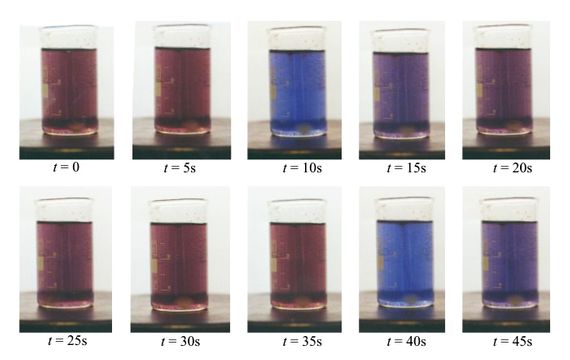
The Belousov-Zhabotinsky reaction is a non-linear reaction that moves alternately in one direction and then the opposite. Credit: Jkrieger
For decades it was believed that the brain’s computational capacity lay in the neuron as a minimal unit, and that its subcellular parts were limited to acting as simple transmitters of the decisions made by the cell in terms of the inputs received. Today it is known that this is not the case, and that discrete parts of the neuron, such as
  • the dendrites (the branches that receive the signals), 
  • the axon (which sends the impulse to other neurons), and 
  • the synapse (the space that communicates between them) 
are independently modulable, and therefore capable of computing by themselves. As this modulation is exerted through chemical agents, the brain is not an electrical computer, but an electrochemical one.

THE BRAIN, A PARALLEL COMPUTER

The great versatility of each neuron confers on the brain a valuable quality. “The brain and chemical computers are parallel computers,” explains biophysicist Vladimir Vanag, from the Centre for Nonlinear Chemistry at the Immanuel Kant Baltic Federal University (Russia). Parallel computing is not within the reach of conventional microprocessors (though it is for quantum ones). In practice, this advantage that chemical computing possesses overcomes one of its drawbacks—its slower speed.
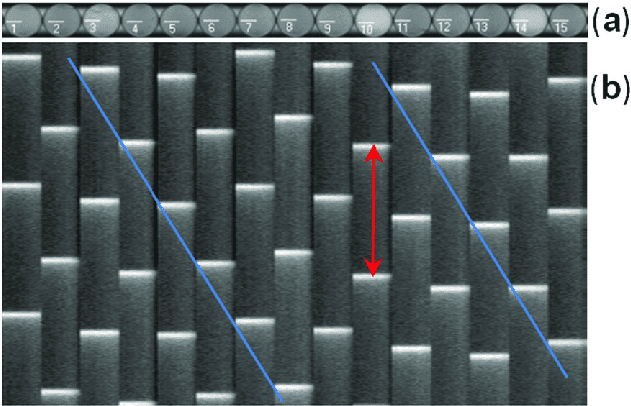
(a) The array of the BZ microdroplets in a 1D capillary. (b) Spacetime plot for the dynamics of the BZ MDs at GNF with coefficient g e = 0.11. The total size of the space-time plot is equal to 1875 mm  424 s. Short horizontal bars depict spikes for each of the 15 BZ MDs. The averaged diameter d of a single MD equals 125 mm. The red arrow depicts the averaged period of oscillations, T 0 = 159 s. The slope of the blue line characterizes the ''velocity'' spike propagation, 1.68 mm s À1. Some droplets in snapshot (a) look lighter since they are in the oxidized state of the catalyst, the others look darker since they correspond to the reduced state of the catalyst. White dashes in droplets with index numbers (from 1 to 15) display the image reading area to record the ox-red state of the droplets. Compared with the great speed of electronic chips, chemical computing is limited by the speed of the diffusion of reactions in the medium. Researchers like Adamaztky are working on breaking this barrier: “Systems can be scaled down to the nano-scale and then everything will be fast,” he says. However, he notes that certain applications will not require higher speeds: “When reaction-diffusion computers are embedded in the human body, their speed of processing information will perfectly match natural processes.”

But in any case, Vanag explains with an example how parallel computing compensates for any speed limit: if a micro-oscillator—equivalent to a processor—occupies a cubic volume of 100 microns on each side, a single cubic centimetre could contain a million of them, all working in parallel. Thus, “we can increase the number of micro-oscillators by many orders of magnitude and overcome the speed of conventional computers,” he says. Say goodbye to Moore’s law; with chemical computing, a small increase in volume is enough to multiply the processing capacity. This is the secret of the human brain, slower than any computer, but more powerful than all of them.

The brain is slower than any computer, but much more powerful. Credit: Pixbay
A NEW ARTIFICIAL-INTELLIGENCE
In addition, chemical computing brings other crucial advantages. “It should work without electricity,” says Vanag. “No viruses, autonomous regime of working, and extremely high efficiency.” And all this while using just a few cheap chemical reagents. Thanks to these qualities, chemical computing is emerging as a promising alternative to simulate the human brain. By building bottom-up systems, starting with small oscillator networks and adding more and more layers of complexity, scientists are learning how cognitive functions such as image recognition or decision making appear.

Of course, a consequence of this chemical recreation of the brain would be the possibility of obtaining new artificial-intelligence systems, but radically different from what we usually envision: imagine robots made of gel, without a defined shape, capable of dividing themselves into smaller ones so that each one of them works independently. Perhaps they’ll even be embedded in our own bodies, analysing our biological parameters, curing our diseases. “But this is a fantasy,” concludes Vanag. “At the moment.


Javier Yanes


ORIGINAL: OpenMind

domingo, 26 de agosto de 2018

Test Tube Artificial Neural Network Recognizes "Molecular Handwriting"

Conceptual illustration of a droplet containing an artificial neural network made of DNA that has been designed to recognize complex and noisy molecular information, represented as 'molecular handwriting.' Credit: Olivier Wyart


Test tube chemistry using synthetic DNA molecules can be utilized in complex computing tasks to exhibit artificial intelligence

Researchers at Caltech have developed an artificial neural network made out of DNA that can solve a classic machine learning problem: correctly identifying handwritten numbers. The work is a significant step in demonstrating the capacity to program artificial intelligence into synthetic biomolecular circuits.

The work was done in the laboratory of Lulu Qian, assistant professor of bioengineering. A paper describing the research (paywall) appears online on July 4 and in the July 19 print issue of the journal Nature.

"Though scientists have only just begun to explore creating artificial intelligence in molecular machines, its potential is already undeniable," says Qian. "Similar to how electronic computers and smart phones have made humans more capable than a hundred years ago, artificial molecular machines could make all things made of molecules, perhaps including even paint and bandages, more capable and more responsive to the environment in the hundred years to come."

Artificial neural networks are mathematical models inspired by the human brain. Despite being much simplified compared to their biological counterparts, artificial neural networks function like networks of neurons and are capable of processing complex information. The Qian laboratory's ultimate goal for this work is to program intelligent behaviors (the ability to compute, make choices, and more) with artificial neural networks made out of DNA.

"Humans each have over 80 billion neurons in the brain, with which they make highly sophisticated decisions. Smaller animals such as roundworms can make simpler decisions using just a few hundred neurons. In this work, we have designed and created biochemical circuits that function like a small network of neurons to classify molecular information substantially more complex than previously possible," says Qian.

To illustrate the capability of DNA-based neural networks, Qian laboratory graduate student Kevin Cherry chose a task that is a classic challenge for electronic artificial neural networks: recognizing handwriting.

Human handwriting can vary widely, and so when a person scrutinizes a scribbled sequence of numbers, the brain performs complex computational tasks in order to identify them. Because it can be difficult even for humans to recognize others' sloppy handwriting, identifying handwritten numbers is a common test for programming intelligence into artificial neural networks. These networks must be "taught" how to recognize numbers, account for variations in handwriting, then compare an unknown number to their so-called memories and decide the number's identity.

WHY DNA?
Key to creating biomolecular circuits out of DNA are the strict binding rules between molecules of DNA. A single-stranded DNA molecule is composed of smaller molecules called nucleotides—abbreviated A, T, C, and G—arranged in a string, or sequence. The nucleotides in a single-stranded DNA molecule can bond with those of another single strand to form double-stranded DNA, but the nucleotides bind only in very specific ways: An A nucleotide with a T or a C nucleotide with a G.

Taking advantage of these predictable binding rules, Qian and her colleagues can design short strands of DNA to undergo predictable chemical reactions in a test tube and thereby compute tasks, such as molecular pattern recognition. In 2011, Qian and her colleagues created the first artificial neural network made of DNA molecules that could recognize four simple patterns.

In the work described in the Nature paper, Cherry, who is the first author on the paper, demonstrated that a neural network made out of carefully designed DNA sequences could carry out prescribed chemical reactions to accurately identify "molecular handwriting." Unlike visual handwriting that varies in geometrical shape, each example of molecular handwriting does not actually take the shape of a number. Instead, each molecular number is made up of 20 unique DNA strands chosen from 100 molecules, each assigned to represent an individual pixel in any 10 by 10 pattern. These DNA strands are mixed together in a test tube.

"The lack of geometry is not uncommon in natural molecular signatures yet still requires sophisticated biological neural networks to identify them: for example, a mixture of unique odor molecules comprises a smell," says Qian.

Given a particular example of molecular handwriting, the DNA neural network can classify it into up to nine categories, each representing one of the nine possible handwritten digits from 1 to 9.

First, Cherry built a DNA neural network to distinguish between handwritten 6s and 7s. He tested 36 handwritten numbers and the test tube neural network correctly identified all of them. His system theoretically has the capability of classifying over 12,000 handwritten 6s and 7s—90 percent of those numbers taken from a database of handwritten numbers used widely for machine learning—into the two possibilities.

Crucial to this process was encoding a "winner take all" competitive strategy using DNA molecules, developed by Qian and Cherry. In this strategy, a particular type of DNA molecule dubbed the annihilator was used to select a winner when determining the identity of an unknown number.

"The annihilator forms a complex with one molecule from one competitor and one molecule from a different competitor and reacts to form inert, unreactive species," says Cherry. "The annihilator quickly eats up all of the competitor molecules until only a single competitor species remains. The winning competitor is then restored to a high concentration and produces a fluorescent signal indicating the networks' decision.

Next, Cherry built upon the principles of his first DNA neural network to develop one even more complex, one that could classify single digit numbers 1 through 9. When given an unknown number, this "smart soup" would undergo a series of reactions and output two fluorescent signals, for example, green and yellow to represent a 5, or green and red to represent a 9.

Qian and Cherry plan to develop artificial neural networks that can learn, forming "memories" from examples added to the test tube. This way, Qian says, the same smart soup can be trained to perform different tasks.

"Common medical diagnostics detect the presence of a few biomolecules, for example cholesterol or blood glucose." says Cherry. "Using more sophisticated biomolecular circuits like ours, diagnostic testing could one day include hundreds of biomolecules, with the analysis and response conducted directly in the molecular environment."

The paper is titled "Scaling up molecular pattern recognition with DNA-based winner-take-all neural networks." Funding was provided by the National Science Foundation, the Burroughs Wellcome Fund, and the Shurl and Kay Curci Foundation.

Related:

ORIGINAL: Caltech
by Lori Dajose
07/05/2018

sábado, 4 de agosto de 2018

Inexpensive biology kits offer hands-on experience with DNA

Image: Felice Frankel
To help students gain a better grasp of biological concepts, MIT and Northwestern University researchers have designed new educational kits that can be used to perform experiments that produce glowing proteins, scents, or other easily observed phenomena, through the engineering of DNA.

Image: M. Scott Brauer

Our vision is these kits will serve as a creative outlet for young individuals, and show them that biology can be a design platform,” says James Collins, the Termeer Professor of Medical Engineering and Science in MIT’s Institute for Medical Engineering and Science (IMES) and Department of Biological Engineering

To help students gain a better grasp of biological concepts, MIT and Northwestern University researchers have designed new educational kits that can be used to perform experiments that produce glowing proteins, scents, or other easily observed phenomena, through the engineering of DNA.
Using freeze-dried, shelf-stable cellular components, students can learn about key biological concepts.

Biology teachers could use the BioBits kits to demonstrate key concepts such as how DNA is translated into proteins, or students could use them to design their own synthetic biology circuits, the researchers say.

Our vision is that these kits will serve as a creative outlet for young individuals, and show them that biology can be a design platform,” says James Collins, the Termeer Professor of Medical Engineering and Science in MIT’s Institute for Medical Engineering and Science (IMES) and Department of Biological Engineering. “The time is right for creating educational kits that could be utilized in classrooms or in the home, to introduce young folks as well as adults who want to be retrained in biotech, to the technologies that underpin synthetic biology and biotechnology.

The new kits contain no living cells but instead consist of freeze-dried cellular components, which makes them inexpensive, shelf-stable, and accessible to any classroom, even in schools with minimal resources.


sábado, 21 de octubre de 2017

Miniature water droplets could solve an origin-of-life riddle, Stanford researchers find

Before life could begin, something had to kickstart the production of critical molecules. That something may have been as simple as a mist made up of tiny drops of water.

It is one of the great ironies of biochemistry:  life on Earth could not have begun without water; yet water stymies some chemical reactions necessary for life itself.
Chemistry Professor Richard Zare(Image credit: L.A. Cicero)
Now, researchers report today in Proceedings of the National Academy of Sciences, they have found a novel, even poetic solution to the so-called “water problem” in the form of miniature droplets of water, formed perhaps in the mist of a crashing ocean wave or the clouds in the sky.

The water problem relates primarily to the element phosphorous, which is attached to a variety of life’s molecules through a process called phosphorylation. “You and I are alive because of phosphorus and phosphorylation,” said Richard Zare, a professor of chemistry and one of the paper’s senior authors. “You can’t have life without phosphorous.”

The water problem
Phosphorous is a necessary ingredient in many molecules critical for life, 
  • including our DNA, 
  • it’s relative RNA and 
  • in the molecule that makes up our body’s energy storage system, called ATP. 
But ordinarily water gets in the way of producing those chemicals. Modern life has evolved ways of sidestepping that problem in the form of enzymes that help phosphorylation along. But how primitive components of these molecules formed before the workarounds evolved remains a controversial and at times slightly oddball subject. Among the proposed solutions are highly reactive forms of extraterrestrial phosphorous and heating powered by naturally occurring nuclear reactions.

Microdroplets solve the phosphorylation problem in a relatively elegant way, in large part because they have geometry on their side. It turns out that water is mostly a problem when the phosphate is floating around inside a pool of water or a primitive ocean, rather than on its surface.

Microdroplets are mostly surface. They perfectly optimize the need for life to form in and around water, but with enough surface area for phosphorylation and other reactions to occur.

In fact, the large amount of surface area provided by microdroplets is already known to be a great place for chemistry. Previous experiments suggest microdroplets can increase reaction rates for other processes by a thousand or even a million times, depending on the details of the reaction being studied.

Spontaneous molecules
Microdroplets seemed like a possible solution to the water problem. But to show that they really work, Zare and his colleagues sprayed tiny droplets of water, laced with phosphorous and other chemicals, into a chamber where the resulting compounds could be analyzed. They found several phosphate-containing molecules occurred spontaneously on these lab-made microdroplets without any catalyst to get them started. Those molecules included sugar phosphates, which are a step in how our cells create energy, and one of the molecules that make up RNA, a DNA relative that primitive organisms use to carry their genetic code. Both reactions are rare at best in larger volumes of water.

That observation, joined with the fact that microdroplets are ubiquitous – from clouds in the sky to the mist created by a crashing ocean wave – suggests that they could have played a role in fostering life on Earth. In the future, Zare hopes to look for phosphates that make up proteins and other molecules.

Even if he can produce those compounds, however, Zare does not believe he and his colleagues will have found the one true solution to the origin of life. “I don’t think we’re going to understand exactly how life began on Earth,” said Zare, who is also the Marguerite Blake Wilbur Professor in Natural Science. Essentially, he said, that is because no one can go back in time to watch what happened as life emerged and there is no good fossil record for the formation of biomolecules. “But we could understand some of the possibilities,” he added.

Zare is also a member of the Stanford Cardiovascular Institute, the Stanford Cancer Institute, the Stanford Neurosciences Institute and the Stanford Woods Institute for the Environment. Additional Stanford authors are postdoctoral fellows Inho Nam and Jae Kyoo Lee. Hong Gil Nam of DGIST in South Korea is co-senior author with Zare. The work was supported by the Institute for Basic Science (South Korea) and the U. S. Air Force Office of Scientific Research through a Basic Research Initiative grant.


ORIGINAL: Stanford News
BY NATHAN COLLINS
OCTOBER 20, 2017

New Research Points to a Genetic Switch That Can Let Our Bodies Talk to Electronics


Shutterstock
IN BRIEF
Our bodies are biologically based and therefore are not equipped to communicate with electronics efficiently. New research could make it possible to genetically engineer our cells to be able to communicate with electronics.

The development has the potential to allow us to eventually build apps that autonomously detect and treat disease.

Microelectronics has transformed our lives. Cellphones, earbuds, pacemakers, defibrillators – all these and more rely on microelectronics’ very small electronic designs and components. Microelectronics has changed the way we collect, process and transmit information.

Such devices, however, rarely provide access to our biological world; there are technical gaps. We can’t simply connect our cellphones to our skin and expect to gain health information. For instance, is there an infection? What type of bacteria or virus is involved? We also can’t program the cellphone to make and deliver an antibiotic, even if we knew whether the pathogen was Staph or Strep. There’s a translation problem when you want the world of biology to communicate with the world of electronics.

The research we’ve just published with colleagues in Nature Communications brings us one step closer to closing that communication gap.
Electronic control of gene expression and cell behaviour in Escherichia coli through redox signalling

ABSTRACT:
The ability to interconvert information between electronic and ionic modalities has transformed our ability to record and actuate biological function. Synthetic biology offers the potential to expand communication ‘bandwidth’ by using biomolecules and providing electrochemical access to redox-based cell signals and behaviours. While engineered cells have transmitted molecular information to electronic devices, the potential for bidirectional communication stands largely untapped. Here we present a simple electrogenetic device that uses redox biomolecules to carry electronic information to engineered bacterial cells in order to control transcription from a simple synthetic gene circuit. Electronic actuation of the native transcriptional regulator SoxR and transcription from the PsoxS promoter allows cell response that is quick, reversible and dependent on the amplitude and frequency of the imposed electronic signals. Further, induction of bacterial motility and population based cell-to-cell communication demonstrates the versatility of our approach and potential to drive intricate biological behaviours.

Source: NATURE COMMS
Rather than relying on the usual molecular signals, like hormones or nutrients, that control a cell’s gene expression, we created a synthetic “switching” system in bacterial cells that recognizes electrons instead. This new technology – a link between electrons and biology – may ultimately allow us to program our phones or other microelectronic devices to autonomously detect and treat disease.

COMMUNICATING WITH ELECTRONS, NOT MOLECULES
One of the barriers scientists have encountered when trying to link microelectronic devices with biological systems has to do with information flow. In biology, almost all activity is made possible by the transfer of molecules like
  • glucose, 
  • epinephrine, 
  • cholesterol and 
  • insulin 
signaling between cells and tissues. Infecting bacteria secrete molecular toxins and attach to our skin using molecular receptors. To treat an infection, we need to detect these molecules to identify the bacteria, discern their activities and determine how to best respond.

Microelectronic devices don’t process information with molecules. A microelectronic device typically has silicon, gold, chemicals like boron or phosphorus and an energy source that provides electrons. By themselves, they’re poorly suited to engage in molecular communication with living cells.

Free electrons don’t exist in biological systems so there’s almost no way to connect with microelectronics. There is, however, a small class of molecules that stably shuttle electrons. These are called “redox” molecules; they can transport electrons, sort of like wire does. The difference is that in wire, the electrons can flow freely to any location within; redox molecules must undergo chemical reactions – oxidation or reduction reactions – to “hand off” electrons.
Bacteria are engineered to respond to a redox molecule activated by an electrode by creating an electrogenetic switch. Bentley and Payne, CC BY-ND

TURNING CELLS ON AND OFF
Capitalizing on the electronic nature of redox molecules, we genetically engineered bacteria to respond to them. We focused on redox molecules that could be “programmed” by the electrode of a microelectronic device. The device toggles the molecule’s oxidation state – it’s either 
  • oxidized (loses an electron) or 
  • reduced (gains an electron). 
The electron is supplied by a typical energy source in electronics like a battery.

We wanted our bacteria cells to turn “on” and “off” due to the applied voltage – voltage that oxidized a naturally occurring redox molecule, pyocyanin.

Electrically oxidizing pyocyanin allowed us to control our engineered cells, turning them on or off so they would synthesize (or not) a fluorescent protein. We could rapidly identify what was happening in these cells because the protein emits a green hue.
(a) Device-mediated electronic input consists of applied potential (blue or red step functions) for controlling the oxidation state of redox-mediators (transduced input). Redox mediators intersect with cells to actuate transcription and, depending on actuated gene-of-interest, control biological output.
(b) The electrogenetic device consists of the region encompassing the gene coding for the SoxR protein and the divergent overlapping PsoxR/PsoxS promoters. A gene of interest is placed downstream of the PsoxS promoter. Pyo (O) initiates gene induction and Fcn(R/O), through interactions with respiratory machinery, allows electronic control of induction level. Fcn (R/O), ferro/ferricyanide; Pyo, pyocyanin. The oxidation state of both redox mediators is colorimetrically indicated (Fcn (O) is yellow pentagon; Fcn (R) is white pentagon; Pyo (O) is blue hexagon; Pyo (R) is grey hexagon). Encircled ‘e−‘ and arrows indicate electron movement.

In another example
, we made bacteria that, when switched on, would swim from a stationary position. Bacteria normally swim in starts and stops referred to as a “run” or a “tumble.” The “run” ensures they move in a straight path. When they “tumble,” they essentially remain in a one spot. A protein called CheZ controls the “run” portion of bacteria’s swimming activity. Our electrogenetic switch turned on the synthesis of CheZ, so that the bacteria could move forward.
Bacteria can naturally join forces as biofilms and work together. CDC/Janice Carr, CC BY
We were also able to electrically signal a community of cells to exhibit collective behavior. We made cells with switches controlling the synthesis of a signaling molecule that diffuses to neighboring cells and, in turn, causes changes in their behavior. Electric current turned on cells that, in turn, “programmed” a natural biological signaling process to alter the behavior of nearby cells. We exploited bacterial quorum sensing – a natural process where bacterial cells “talk” to their neighbors and the collection of cells can behave in ways that benefit the entire community.

Perhaps even more interesting, our groups showed that we could both turn on gene expression and turn it off. By reversing the polarity on the electrode, the oxidized pyocyanin becomes reduced – its inactive form. Then, the cells that were turned on were engineered to quickly revert back to their original state. In this way, the group demonstrated the ability to cycle the electrically programmed behavior on and off, repeatedly.

Interestingly, the on and off switch enabled by pyocyanin was fairly weak. By including another redox molecule, ferricyanide, we found a way to amplify the entire system so that the gene expression was very strong, again on and off. The entire system was robust, repeatable and didn’t negatively affect the cells.

SENSING AND RESPONDING ON A CELLULAR LEVEL
Armed with this advance, devices could potentially electrically stimulate bacteria to make therapeutics and deliver them to a site. For example, imagine swallowing a small microelectronic capsule that could record the presence of a pathogen in your GI tract and also contain living bacterial factories that could make an antimicrobial or other therapyall in a programmable autonomous system.

This current research ties into previous work done here at the University of Maryland where researchers had discovered ways to “record” biological information, by sensing the biological environment, and based on the prevailing conditions, “write” electrons to devices. We and our colleagues “sent out” redox molecules from electrodes, let those molecules interact with the microenvironment near the electrode and then drew them back to the electrode so they could inform the device on what they’d seen. This mode of “molecular communication” is somewhat analogous to sonar, where redox molecules are used instead of sound waves.

These molecular communication efforts were used to identify pathogens, monitor the “stress” in blood levels of individuals with schizophrenia and even determine the differences in melanin from people with red hair. For nearly a decade, the Maryland team has developed methodologies to exploit redox molecules to interrogate biology by directly writing the information to devices with electrochemistry.

Perhaps it is now time to integrate these technologies:

  • Use molecular communication to sense biological function and transfer the information to a device. 
  • Then use the device – maybe a small capsule or perhaps even a cellphone – to program bacteria to make chemicals and other compounds that issue new directions to the biological system. 

It may sound fantastical, many years away from practical uses, but our team is working hard on such valuable applications…stay tuned!

ORIGINAL: Futurism

jueves, 15 de junio de 2017

Scientists Hack a Human Cell and Reprogram It Like a Computer

GETTY IMAGES
CELLS ARE BASICALLY tiny computers: They send and receive inputs and output accordingly. If you chug a Frappuccino, your blood sugar spikes, and your pancreatic cells get the message. Output: more insulin.

But cellular computing is more than just a convenient metaphor. In the last couple of decades, biologists have been working to hack the cells’ algorithm in an effort to control their processes. They’ve upended nature’s role as life’s software engineer, incrementally editing a cell’s algorithm—its DNA—over generations. In a paper published today in Nature Biotechnology, researchers programmed human cells to obey 109 different sets of logical instructions. With further development, this could lead to cells capable of responding to specific directions or environmental cues in order to fight disease or manufacture important chemicals.
Large-scale design of robust genetic circuits with multiple inputs and outputs for mammalian cells
Benjamin H Weinberg, N T Hang Pham, Leidy D Caraballo, Thomas Lozanoski, Adrien Engel, Swapnil Bhatia & Wilson W Wong
Affiliations Contributions Corresponding author

Nature Biotechnology 35, 453–462 (2017) 
doi:10.1038/nbt.3805
Received 20 June 2016
Accepted 27 January 2017
Published online 27 March 2017

Engineered genetic circuits for mammalian cells often require extensive fine-tuning to perform as intended. We present a robust, general, scalable system, called 'Boolean logic and arithmetic through DNA excision' (BLADE), to engineer genetic circuits with multiple inputs and outputs in mammalian cells with minimal optimization. The reliability of BLADE arises from its reliance on recombinases under the control of a single promoter, which integrates circuit signals on a single transcriptional layer. We used BLADE to build 113 circuits in human embryonic kidney and Jurkat T cells and devised a quantitative, vector-proximity metric to evaluate their performance. Of 113 circuits analyzed, 109 functioned (96.5%) as intended without optimization. The circuits, which are available through Addgene, include a 3-input, two-output full adder; a 6-input, one-output Boolean logic look-up table; circuits with small-molecule-inducible control; and circuits that incorporate CRISPR–Cas9 to regulate endogenous genes. BLADE enables execution of sophisticated cellular computation in mammalian cells, with applications in cell and tissue engineering.
Their cells execute these instructions by using proteins called DNA recombinases, which cut, reshuffle, or fuse segments of DNA. These proteins recognize and target specific positions on a DNA strand—and the researchers figured out how to trigger their activity. Depending on whether the recombinase gets triggered, the cell may or may not produce the protein encoded in the DNA segment.

A cell could be programmed, for example, with a so-called NOT logic gate. This is one of the simplest logic instructions: Do NOT do something whenever you receive the trigger. This study’s authors used this function to create cells that light up on command. Biologist Wilson Wong of Boston University, who led the research, refers to these engineered cells as “genetic circuits.

Here’s how it worked: Whenever the cell did contain a specific DNA recombinase protein, it would NOT produce a blue fluorescent protein that made it light up. But when the cell did not contain the enzyme, its instruction was DO light up. The cell could also follow much more complicated instructions, like lighting up under longer sets of conditions.

Wong says that you could use these lit up cells to diagnose diseases, by triggering them with proteins associated with a particular disease. If the cells light up after you mix them with a patient’s blood sample, that means the patient has the disease. This would be much cheaper than current methods that require expensive machinery to analyze the blood sample.

Now, don’t get distracted by the shiny lights quite yet. The real point here is that the cells understand and execute directions correctly.It’s like prototyping electronics,” says biologist Kate Adamala of the University of Minnesota, who wasn’t involved in the research. As every Maker knows, the first step to building complex Arduino circuits is teaching an LED to blink on command.

Pharmaceutical companies are teaching immune cells to be better cancer scouts using similar technology. Cancer cells have biological fingerprints, such as a specific type of protein. Juno Therapeutics, a Seattle-based company, engineers immune cells that can detect these proteins and target cancer cells specifically. If you put logic gates in those immune cells, you could program the immune cells to destroy the cancer cells in a more sophisticated and controlled way.

Programmable cells have other potential applications. Many companies use genetically modified yeast cells to produce useful chemicals. Ginkgo Bioworks, a Boston-based company, uses these yeast cells to produce fragrances, which they have sold to perfume companies. This yeast eats sugar just like brewer’s yeast, but instead of producing alcohol, it burps aromatic molecules. The yeast isn’t perfect yet: Cells tend to mutate as they divide, and after many divisions, they stop working well. Narendra Maheshri, a scientist at Ginkgo, says that you could program the yeast to self-destruct when it stops functioning properly, before they spoil a batch of high-grade cologne.

Wong’s group wasn’t the first to make biological logic gates, but they’re the first to build so many with consistent success. Of the 113 circuits they built, 109 worked. “In my personal experience building genetic circuits, you’d be lucky if they worked 25 percent of the time,” Wong says. Now that they’ve gotten these basic genetic circuits to work, the next step is to make the logic gates work in different types of cells.

But it won’t be easy. Cells are incredibly complicated—and DNA doesn’t have straightforward “on” and “off” switches like an electronic circuit. In Wong’s engineered cells, you “turn off” the production of a certain protein by altering the segment of DNA that encodes its instructions. It doesn’t always work, because nature might have encoded some instructions in duplicate. In other words: It’s hard to debug 3 billion years of evolution.

ORIGINAL: Wired
By SOPHIA CHEN.
03.27.17

sábado, 20 de agosto de 2016

Scientists Built a Biological Computer Inside a Cell

Add caption
MIT engineers have developed biological computational circuits capable of both remembering and responding to sequential input data.

The group's work, which is described in this week's issue of Science, represents a critical step in the progression of synthetic biology with the integration of DNA-based memory, in particular, pointing the way toward building large computational systems from biological components—computing devices that are living cells—and, ultimately, programming complex biological functions.

More specifically, Nathaniel Roquet and colleagues at MIT's Synthetic Biology Group were able to implement within a living cell what's known as a state machine: an abstract mathematical model describing computation as a list of of distinct internal states paired with an associated list of operations (or machine inputs) required to transition from state to state. So: a new state is always the result of an old state taken in combination with new inputs (history matters). State machines happen to describe a very large number of different things, from natural language processing algorithms to neurological systems to something as simple as a vending machine.

In a living cell, DNA is the natural candidate for storing state information. After all, that's what DNA does: store information. What Roquet and co. have created is a framework for chemically manipulating DNA such that states are encoded in DNA sequences. As a storage mechanism, this allows for both conveniently reading out a given state via genetic sequencing and also regulating gene expression via state transitions. In other words, the states can be linked to cellular behavior. The DNA serves as the memory for the state machine. The rest is in how, specifically, the DNA is manipulated and what effect that has on cellular behavior.

This could mean integrating biological state machines into tumor models, where they may be used to genetically surveil the activation of genes that may cause cancer

In their experiments, Roquet and co. programmed E. coli cells to react to several substances commonly used in biological laboratory experiments, including an analogue of the antibiotic tetracycline, a sugar called arabinose, and a chemical called DAPG that helps plants protect their roots from pathogens. The cells could be reprogrammed to other inputs as needed, however.

The actual cell behavior being programmed by the researchers was the expression of genes coding for the production of different fluorescent proteins representing different colors. With three different inputs they were able to produce 16 different combinations of colors.

"Synthetic state machines that record and respond to sequences of signaling and gene regulatory events within a cell could be transformative tools in the study and engineering of complex living systems," Roquet writes. In other words, by implementing a state machine (a computer) in a living cell, it's possible to use that state machine to surveil otherwise impossible-to-observe cellular happenings.

For example, progenitor cells (similar to stem cells) develop into differentiated cell types with specific functions thanks to transcription factors, proteins that help regulate gene expression in cells. Transcription factors have allowed researchers to program both progenitor cells to become certain specific types of functional cells—and also to do the opposite, programming functional cells to behave as undifferentiated cells. However, much about the process remains mysterious. A state machine that could record the DNA transitions resulting from TF activation could go a long way toward not only understanding these processes, but manipulating them as well

The circuits in the biological state machine are dependent on enzymes called recombinases. These enzymes are activated by various inputs into a cell, such as chemical signals, and act to tweak that cell's DNA. But the tweak that actually occurs depends on the orientation of two DNA sequences known as recognition sites. The important thing is that the effect of changing any two recognition sites (the resulting cellular behavior) depends on how other recognition sites have been altered previously. Hence, memory.

There's really no shortage of potential applications here. The example Roquet gives is in integrating biological state machines into tumor models, where they may be used to genetically surveil the activation of oncogenes (genes that may cause cancer) and deactivation of tumor suppression mechanisms in individual cells.

"This idea that we can record and respond to not just combinations of biological events but also their orders opens up a lot of potential applications," Roquet offers in a statement. "A lot is known about what factors regulate differentiation of specific cell types or lead to the progression of certain diseases, but not much is known about the temporal organization of those factors. That's one of the areas we hope to dive into with our device."

Computers have become "alive," but perhaps not in the way that many of us anticipated. A unicellular organism itself won't ever be packing much computational horsepower, but considered as a building block, the potential is pretty wild.

ORIGINAL: Vice
by MICHAEL BYRNE EDITOR 
July 21, 2016

miércoles, 15 de junio de 2016

The Quest to Make Code Work Like Biology Just Took A Big Step

THE QUEST TO MAKE CODE WORK LIKE BIOLOGY JUST TOOK A BIG STEP


|Chef CTO Adam Jacob.CHRISTIE HEMM KLOK/WIRED
IN THE EARLY 1970s, at Silicon Valley’s Xerox PARC, Alan Kay envisioned computer software as something akin to a biological system, a vast collection of small cells that could communicate via simple messages. Each cell would perform its own discrete task. But in communicating with the rest, it would form a more complex whole. “This is an almost foolproof way of operating,” Kay once told me. Computer programmers could build something large by focusing on something small. That’s a simpler task, and in the end, the thing you build is stronger and more efficient. 

The result was a programming language called SmallTalk. Kay called it an object-oriented language—the “objects” were the cells—and it spawned so many of the languages that programmers use today, from Objective-C and Swiftwhich run all the apps on your Apple iPhone, to JavaGoogle’s language of choice on Android phones. Kay’s vision of code as biology is now the norm. It’s how the world’s programmers think about building software. 

In the ’70s, Alan Kay was a researcher at Xerox PARC, where he helped develop the notion of personal computing, the laptop, the now ubiquitous overlapping-window interface, and object-oriented programming.
COMPUTER HISTORY MUSEUM
But Kay’s big idea extends well beyond individual languages like Swift and Java. This is also how Google, Twitter, and other Internet giants now think about building and running their massive online services. The Google search engine isn’t software that runs on a single machine. Serving millions upon millions of people around the globe, it’s software that runs on thousands of machines spread across multiple computer data centers. Google runs this entire service like a biological system, as a vast collection of self-contained pieces that work in concert. It can readily spread those cells of code across all those machines, and when machines break—as they inevitably do—it can move code to new machines and keep the whole alive. 

Now, Adam Jacob wants to bring this notion to every other business on earth. Jacob is a bearded former comic-book-store clerk who, in the grand tradition of Alan Kay, views technology like a philosopher. He’s also the chief technology officer and co-founder of Chef, a Seattle company that has long helped businesses automate the operation of their online services through a techno-philosophy known as “DevOps.” Today, he and his company unveiled a new creation they call Habitat. Habitat is a way of packaging entire applications into something akin to Alan Kay’s biological cells, squeezing in not only the application code but everything needed to run, oversee, and update that code—all its “dependencies,” in programmer-speak. Then you can deploy hundreds or even thousands of these cells across a network of machines, and they will operate as a whole, with Habitat handling all the necessary communication between each cell. “With Habitat,” Jacob says, “all of the automation travels with the application itself.” 

That’s something that will at least capture the imagination of coders. And if it works, it will serve the rest of us too. If businesses push their services towards the biological ideal, then we, the people who use those services, will end up with technology that just works better—that coders can improve more easily and more quickly than before

Reduce, Reuse, Repackage 
Habitat is part of a much larger effort to remake any online business in the image of Google. Alex Polvi, CEO and founder of a startup called CoreOS, calls this movement GIFEE—or Google Infrastructure For Everyone Else—and it includes tools built by CoreOS as well as such companies as Docker and Mesosphere, not to mention Google itself. The goal: to create tools that more efficiently juggle software across the vast computer networks that drive the modern digital world. 

But Jacob seeks to shift this idea’s center of gravity. He wants to make it as easy as possible for businesses to run their existing applications in this enormously distributed manner. He wants businesses embrace this ideal even if they’re not willing to rebuild these applications or the computer platforms they run on. He aims to provide a way of wrapping any code—new or old—in an interface that can run on practically any machine. Rather than rebuilding your operation in the image of Google, Jacob says, you can simply repackage it. 

If what I want is an easier application to manage, why do I need to change the infrastructure for that application?” he says. It’s yet another extension of Alan Kay’s biological metaphor—as he himself will tell you. When I describe Habitat to Kay—now revered as one of the founding fathers of the PC, alongside so many other PARC researchers—he says it does what SmallTalk did so long go

Chef CTO Adam Jacob.CHRISTIE HEMM KLOK/WIRED
The Unknown Programmer 
Kay traces the origins of SmallTalk to his time in the Air Force. In 1961, he was stationed at Randolph Air Force Base near San Antonio, Texas, and he worked as a programmer, building software for a vacuum-tube computer called the Burroughs 220. In those days, computers didn’t have operating systems. No Apple iOS. No Windows. No Unix. And data didn’t come packaged in standard file formats. No .doc. No .xls. No .txt. But the Air Force needed a way of sending files between bases so that different machines could read them. Sometime before Kay arrived, another Air Force programmer—whose name is lost to history—cooked up a good way. 
This unnamed programmer—“almost certainly an enlisted man,” Kay says, “because officers didn’t program back then”—would put data on a magnetic-tape reel along with all the procedures needed to read that data. Then, he tacked on a simple interface—a few “pointers,” in programmer-speak—that allowed the machine to interact with those procedures. To read the data, all the machine needed to understand were the pointers—not a whole new way of doing things. In this way, someone like Kay could read the tape from any machine on any Air Force base. 

Kay’s programming objects worked in a similar way. Each did its own thing, but could communicate with the outside world through a simple interface. That meant coders could readily plug an old object into a new program, or reuse it several times across the same program. Today, this notion is fundamental to software design. And now, Habitat wants to recreate this dynamic on a higher level: not within an application, but in a way that allows an application to run across as a vast computer network. 

Because Habitat wraps an application in a package that includes everything needed to run and oversee the application—while fronting this package with a simple interface—you can potentially run that application on any machine. Or, indeed, you can spread tens, hundreds, or even thousands of packages across a vast network of machines. Software called the Habitat Supervisor sits on each machine, running each package and ensuring it can communicate with the rest. Written in a new programming language called Rust which is suited to modern online systems, Chef designed this Supervisor specifically to juggle code on an enormous scale. 

Kay's vision of code as biology is now the norm. It's how the world's programmers think about the software they build. 

But the important stuff lies inside those packages. Each package includes everything you need to orchestrate the application, as modern coders say, across myriad machines. Once you deploy your packages across a network, Jacob says, they can essentially orchestrate themselves. Instead of overseeing the application from one central nerve center, you can distribute the task—the ultimate aim of Kay’s biological system. That’s simpler and less likely to fail, at least in theory. 

What’s more, each package includes everything you need to modify the application—to, say, update the code or apply new security rules. This is what Jacob means when he says that all the automation travels with the application. “Having the management go with the package,” he says, “means I can manage in the same way, no matter where I choose to run it.” That’s vital in the modern world. Online code is constantly changing, and this system is designed for change.

‘Grownup Containers’ 
The idea at the heart of Habitat is similar to concepts that drive Mesosphere, Google’s Kubernetes, and Docker’s Swarm. All of these increasingly popular tools run software inside Linux “containers”—walled-off spaces within the Linux operating system that provide ways to orchestrate discrete pieces of code across myriad machines. Google uses containers in running its own online empire, and the rest of Silicon Valley is following suit. 

But Chef is taking a different tack. Rather than centering Habitat around Linux containers, they’ve built a new kind of package designed to run in other ways too. You can run Habitat packages atop Mesosphere or Kubernetes. You can also run them atop virtual machines, such as those offered by Amazon or Google on their cloud services. Or you can just run them on your own servers. “We can take all the existing software in the world, which wasn’t built with any of this new stuff in mind, and make it behave,” Jacob says. 

Jon Cowie, senior operations engineer at the online marketplace Etsy, is among the few outsiders who have kicked the tires on Habibat. He calls it “grownup containers.” Building an application around containers can be a complicated business, he explains. Habitat, he says, is simpler. You wrap your code, old or new, in a new interface and run it where you want to run it. “They are giving you a flexible toolkit,” he says. 

That said, container systems like Mesosphere and Kubernetes can still be a very important thing. These tools include “schedulers” that spread code across myriad machines in a hyper-efficient way, finding machines that have available resources and actually launching the code. Habitat doesn’t do that. It handles everything after the code is in place. 

Jacob sees Habitat as a tool that runs in tandem with a Mesophere or a Kubernetes—or atop other kinds of systems. He sees it as a single tool that can run any application on anything. But you may have to tweak Habitat so it will run on your infrastructure of choice. In packaging your app, Habitat must use a format that can speak to each type of system you want it to run on (the inputs and outputs for a virtual machine are different, say, from the inputs and outputs for Kubernetes), and at the moment, it only offers certain formats. If it doesn’t handle your format of choice, you’ll have to write a little extra code of your own. 

Jacob says writing this code is “trivial.” And for seasoned developers, it may be. Habitat’s overarching mission is to bring the biological imperative to as many businesses as possible. But of course, the mission isn’t everything. The importance of Habitat will really come down to how well it works.

Promise Theory 
Whatever the case, the idea behind Habitat is enormously powerful. The biological ideal has driven the evolution of computing systems for decades—and will continue to drive their evolution. Jacob and Chef are taking a concept that computer coders are intimately familiar with, and they’re applying it to something new. 

They’re trying to take away more of the complexity—and do this in a way that matches the cultural affiliation of developers,” says Mark Burgess, a computer scientist, physicist, and philosopher whose ideas helped spawn Chef and other DevOps projects. 

Burgess compares this phenomenon to what he calls Promise Theory, where humans and autonomous agents work together to solve problems by striving to fulfill certain intentions, or promises. He sees computer automation not just as a cooperation of code, but of people and code. That’s what Jacob is striving for. You share your intentions with Habitat, and its autonomous agents work to realize them—a flesh-and-blood biological system combining with its idealized counterpart in code. 

ORIGINAL: Wired
AUTHOR: CADE METZ.CADE METZ BUSINESS 
DATE OF PUBLICATION: 06.14.16.06.14.16