
 |
| 3Dme Creative Studio/Shutterstock.com |
Enough bad news, here's the good stuff.
There's no shortage of bad news in the media, but sometimes we spend so much time focussing on nuclear weapons and disappearing seas that we forget there are some incredible things happening in the world of science and technology.
To provide you with some much-needed hope for the future, we've put together a list of some of the best science news of 2017 so far.
1. African wild dogs communicate with each other in the most adorable way ever: sneezes
Scientists have observed African wild dogs in Botswana sneezing at each other in order to cast their vote on whether it's time to get up and go hunting. And, yes, we have video footage:
2. Vaccines have saved the lives of almost 20 million children in poor countries since 2001
3. We're about to cross the 'quantum supremacy' limit in computing
At the 4th International Conference on Quantum Technologies held in Moscow in July, a team of American and Russian researchers announced they'd successfully tested a record-breaking 51-qubit device, taking us closer than ever before to a functioning quantum computer.
4. Scientists might have finally discovered the trigger that kicks off autoimmune diseases
Autoimmune diseases occur when the body's immune system starts to attack itself, but despite being incredibly widespread, researchers haven't been able to nail down what triggers this strange reaction in the first place.
Now, scientists have identified a chain reaction that could potentially explain why our own bodies can turn against healthy cells, potentially transforming the way we look at autoimmune diseases and the way we treat them.
5. We're finally getting close to achieving sustainable nuclear fusion
Nuclear fusion could be the key to producing almost-unlimited energy with few byproducts other than saltwater, but researchers have long struggled to create a machine that could sustainably control such a powerful reaction.
But that's changing. At the end of 2015, Germany switched on a massive nuclear fusion reactor that's since successfully been able to contain a scorching hot blob of hydrogen plasma.
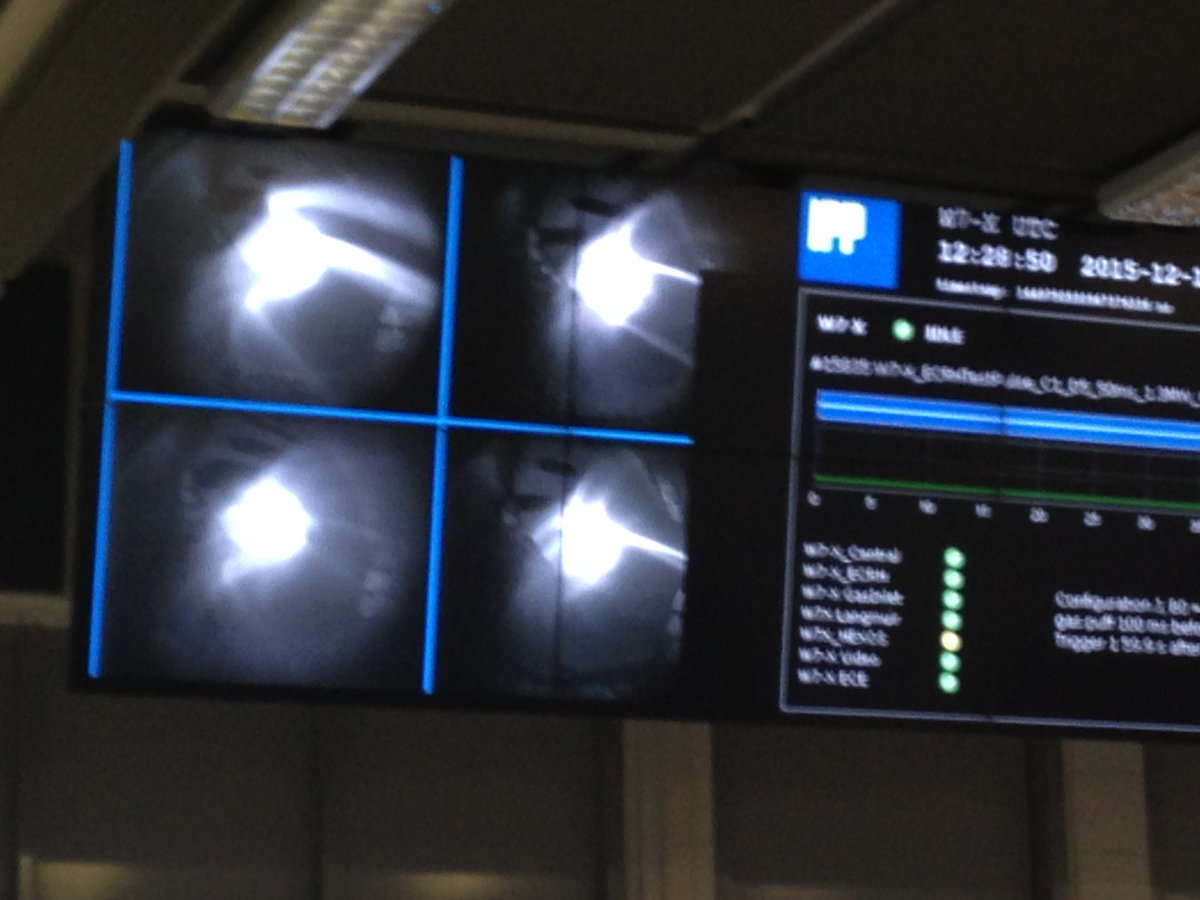
 MPI für Plasmaphysik @PlasmaphysikIPP
Das erste Plasma!!! / The first plasma!!! (js) #W7X
They're not the only ones, either, with South Korea and China both achieving record-breaking reactions in their own fusion machines. The UK has also switched on a revolutionary type of reactor that is now sustainably generating plasma within its core.
In fact, one MIT scientist has enthusiastically predicted that thanks to all these new advances, we should be able to get fusion energy on the grid by 2030.
6. Researchers are closer than ever before to having a drug that can treat autism symptoms
A small, but promising clinical trial in the US showed this year that a 100-year-old drug called suramin can measurably improve the symptoms of autism spectrum disorder (ASD) in children.
There's a lot more work to be done, but it's the first time we've been so close to having a drug that can potentially treat ASD symptoms.
7. Scientists have discovered that crystals can be bent
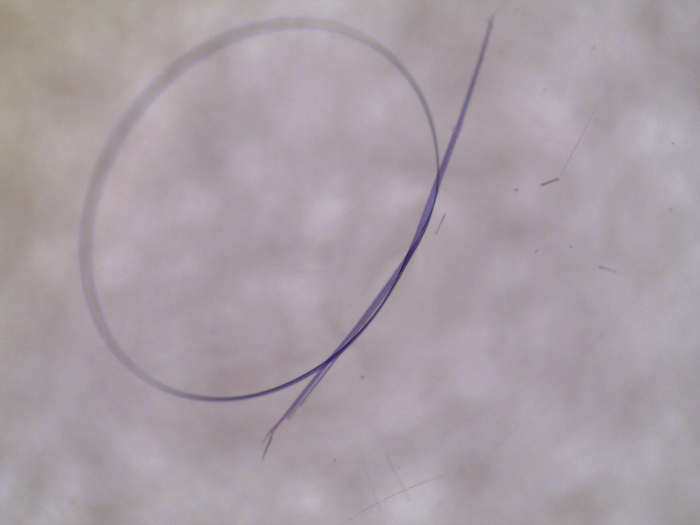
Researchers have shown that crystals - which are traditionally brittle and inflexible - can be so flexible they can be bent repeatedly and even tied up in knots, overhauling our current understanding of the structures and challenging the very definition of a crystal.
The research opens up a whole new class of materials that could revolutionise electronics and technology.
 QUT
QUT
8. You no longer need to pay ridiculous amounts to access peer-reviewed science research
The scientific community is fighting back against crazy paywalls, with a new study showing that more than a quarter of all scientific papers are now available free online thanks to the Unpaywall app.
9. We're getting really close to eradicating the second disease from the planet
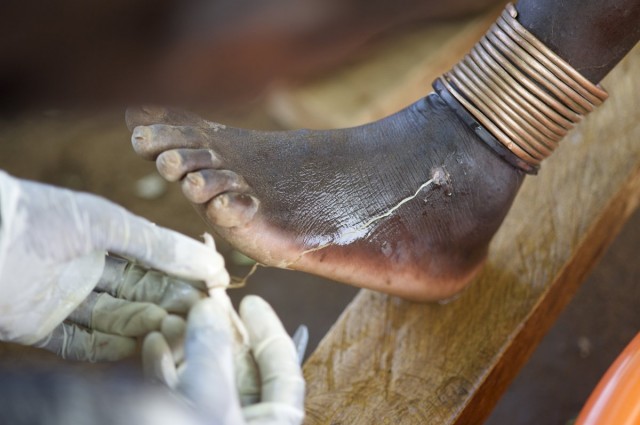
First, humans got rid of smallpox. Now we're on the verge of wiping out the Guinea Worm parasite, which is a living nightmare that painfully erupts from people's skin.
At the start of 2015 there were just 126 cases of Guinea Worm left on Earth, mostly thanks to an ingenious and cheap drinking straw filter that stops people from being contaminated via water. As of May this year, there were only nine recorded cases.
 L. Grubb/The Carter Centre
10. Finally, schools around the US are pushing back their start times
After numerous studies showing US schools start so early that they're putting a health strain on students, schools around the country are finally beginning to take note and shift their start time from 8.00 am to 8.30 am. And it's working surprisingly well.
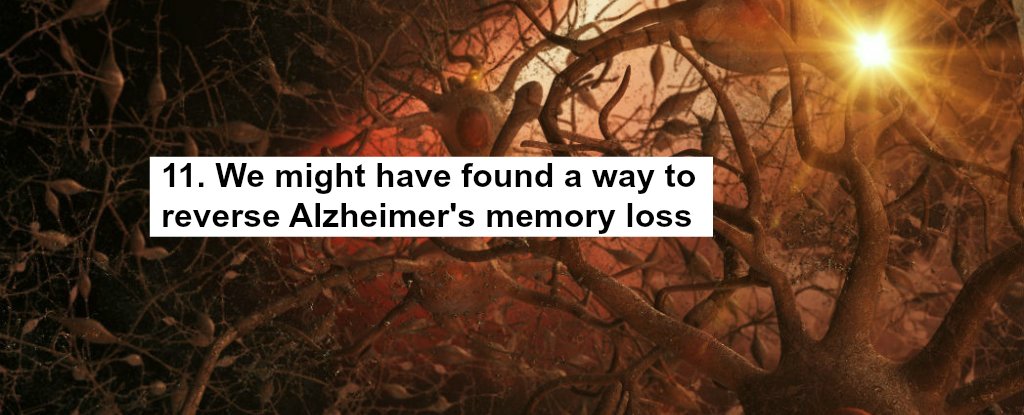
11. Scientists think they might be able to reverse Alzheimer's memory loss
Lost memories might not be gone forever. An enzyme that interferes with key memory-forming processes in people with Alzheimer's can now be specifically targeted thanks to the discovery of a protein that helps it do its dirty work, according to new research out of MIT.
12. You could win US$1 million by solving this chess puzzle
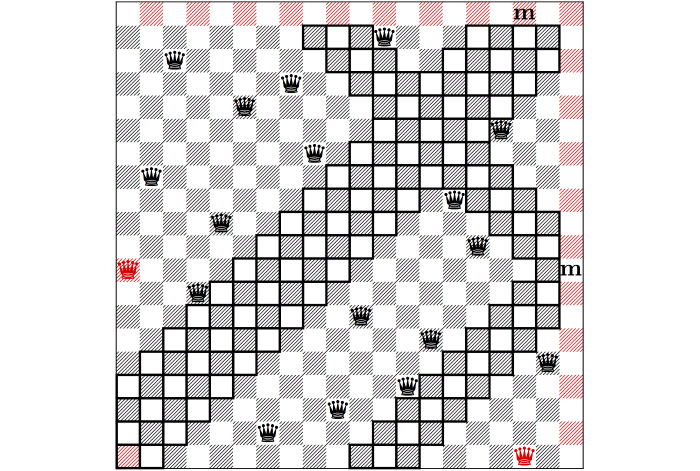
Generous scientists are offering a US$1 million prize to anybody who can solve a fiendishly complicated twist on a classic chess problem called the Queen's Puzzle.
The beauty of the challenge is you don't even really need to understand the rules of chess to take part, but the catch is that it's so complicated the researchers predict it could take thousands of years... still, no risk, no reward, right?
13. We've discovered a vitamin that could reduce the incidence of birth defects and miscarriages worldwide
In what scientists are calling "the most important discovery for pregnant women since folate", a 12-year study has revealed that women could avoid miscarriages and birth defects by simply taking vitamin B3 during pregnancy.
So far, this effect has only been demonstrated in animal studies, but the results are extremely encouraging and human trials are imminent.
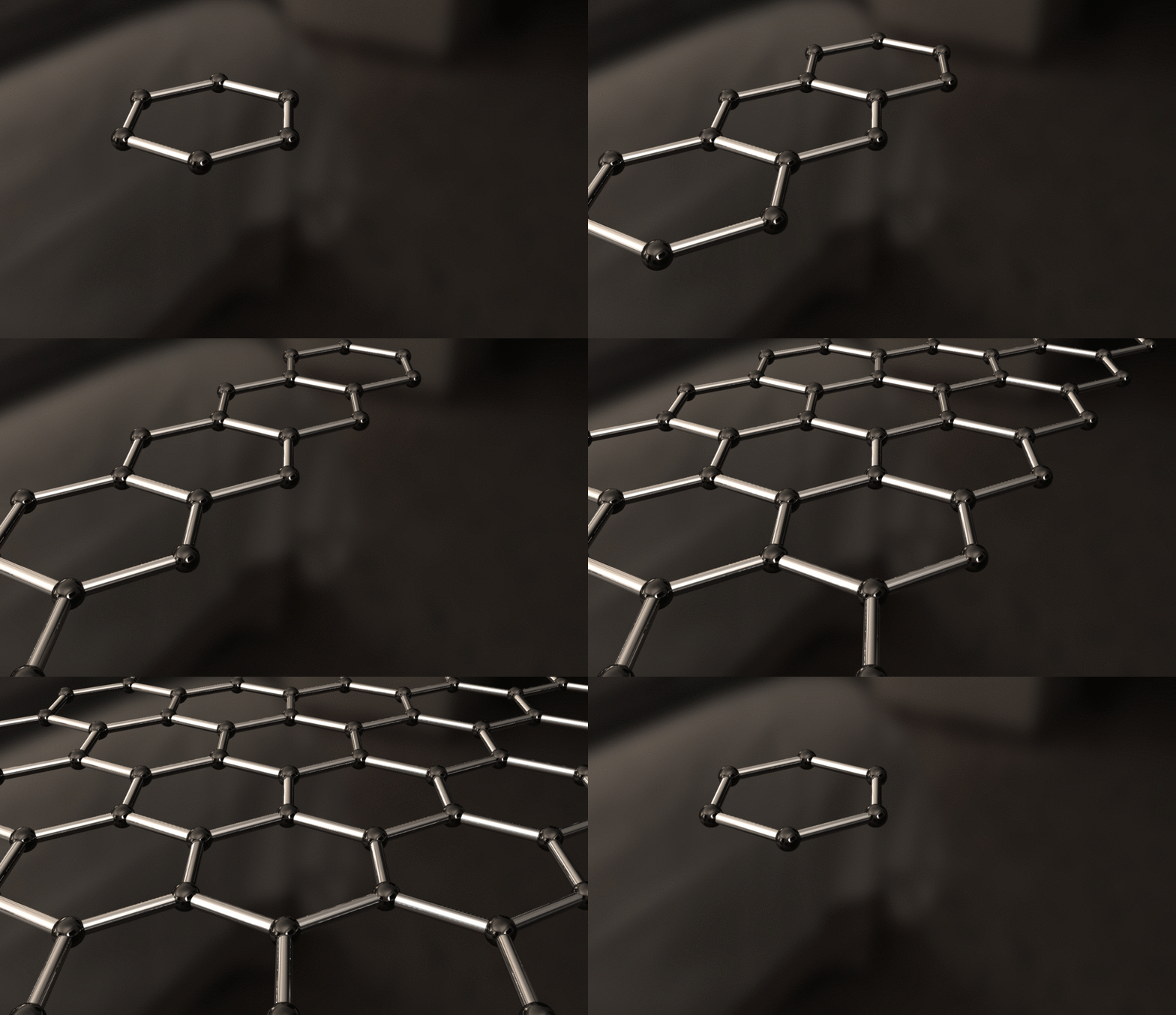
14. Graphene's superconductive abilities have finally been unlocked...
At the start of this year, researchers finally unlocked the long-rumoured superconductive power of graphene, without having to dope the material.
Since then scientists have found even better ways of turning the wonder material into a superconductor, capable of shuttling electrons with zero resistance.
15. ...And researchers have shown electrons can flow through the material like liquid
Potentially even more impressive: researchers have shown that, through a new technique, electrons can actually flow through graphene like liquid, reaching limits physicists previously thought were impossible. This 'superballistic flow' could prove to be even more effective than superconductivity.
 3D-CNC/GrabCad
ORIGINAL IFLSCIENCE
FIONA MACDONALD
6 SEP 2017
We Recommend
- Graphene's sleeping superconductivity awakens.
St John's College, University of Cambridge,ScienceDaily, 2017 - Scientists control light scattering in graphene
DOE/Lawrence Berkeley National Laboratory,ScienceDaily, 2011 - A Life in Particle Physics
Sam Treiman, Annual Review of Nuclear Science, 1996 - Talking About Array-Data Management with Michael Liebman of Windber Institute
GenomeWeb, 2005


