Mostrando entradas con la etiqueta Biodegradable. Mostrar todas las entradas

sábado, 18 de agosto de 2018

Our plastic problem is out of control. Here’s how we can fight it


The worldwide total volume of plastic has reached 8.3 billion metric tons, the equivalent of more than 800,000 Eiffel Towers. Image: REUTERS/Damir Sagolj
On a street in Phnom Penh, Cambodia, a seafood café is setting up for the evening rush. Styrofoam boxes are ripped open. The broken tops are dumped in the street. Plastic bags full of prawns are emptied into trays, then thrown out. In a few minutes, a small mountain of trash piles up on the sidewalk. As a rickshaw trundles by, its riders chuck an empty plastic drink container onto the heap. This is one of the hundreds of mounds of plastic that dot this rapidly urbanizing city.

In April, The Guardian featured a shocking photo essay on the accumulation of plastic in the Cambodian city of Sihanoukville. It showed mountains of trash dumped on streets and beaches. But this plastic dystopia is not unique to Cambodia. If we don’t act now and cut it out of our daily lives, we, as well as the environment, will suffer irreparable harm.

We live in a world of plastic. It is an amazingly convenient material - cheap, light, flexible, and durable. Used for bags, bottles, and containers, it is in our homes, schools, and workplaces. But that rampant use has come at a heavy price.

The worldwide total volume of plastic has reached 8.3 billion metric tons, the equivalent of more than 800,000 Eiffel Towers, according to a 2017 article in Science Advances. Of this enormous amount, 6.3 billion metric tons have been disposed as waste.

Around 10 million plastic bags are used in Phnom Penh every day, according to the ACRA Foundation. Urban Cambodians use more than 2,000 plastic bags every year.

Around 90% of the world’s plastic waste ends up in the ocean. Most of it arrives by way of just 10 major rivers, one of which is the Mekong. Every year, 8 million tons of plastic reach the ocean, which is the equivalent of a full garbage truck every minute.

The biggest problem is that plastic does not biodegrade easily. It stays around for thousands of years. Slowly, it leaks chemical substances that are harmful to the environment, for animals and for people.

In marine areas, many mammals, fish, and birds suffer from ingesting plastic or becoming entangled in plastic materials. More than 90% of all birds and fish are reported to have plastic particles in their stomach. In this way, toxic chemicals accumulate and pass through the food chain. Since fish comprises more than 60% of the protein intake for rural Cambodians, this is a significant problem.
A landfill site in Siem Reap, Cambodia
Image: UNDP
For all these reasons, taking action to mitigate the harmful impacts of plastic is an urgent task. So what can be done?
It is heartening that many countries have implemented policy measures to tackle their plastic problem. Last year, Kenya completely banned the production, sale, and use of plastic bags. Violations may result in imprisonment of up to four years or fines of up to $40,000. Many other countries, including Bangladesh, Rwanda, and China, are following Kenya’s lead, putting in place either total or partial bans on plastic bags, or new forms of plastic taxation.

In Cambodia, too, new initiatives are emerging to fight plastic pollution. In April, the Ministry of Environment introduced new regulation for the use of plastic bags. Major supermarkets such as Aeon and Lucky now charge 10 cents per bag. The Ministry of Environment is also considering plans for jute bags as an alternative. The school curriculum is being updated to educate future generations on the harm caused by plastics.

Have you read?

One promising idea to fight plastic pollution is known as the circular economy, which focuses on Waste Reduction, Reuse, and Recycling (3R). In a circular economy, waste is treated as a valuable material that should be reused or recycled, not only in order to reduce the volume of trash but also to generate new economic opportunities.

Image: SmartSign.com
First of all, this requires policies that actively encourage a 3R approach to plastic waste. For example, the EU adopted a Circular Economy Action Plan in 2016, which includes targets for recycling 75% of packaging waste by 2030 and making all plastic packaging recyclable by the same date. The EU is also proposing a ban on the most commonly used single-use plastic products.

But making a circular economy take off also requires the active involvement of citizens and the private sector. Even small individual acts, such as bringing one’s own shopping bag to the market, contribute to lowering the amount of plastic waste. Businesses can ban plastic bags and encourage the use of biodegradable bags. The United Nations Development Programme in Cambodia has done so, at its office. Hotels and factories have the opportunity to create networks of recycling and reusing materials, simultaneously saving money and decreasing waste.

In order to introduce lasting change, it is critical to raising awareness. This can happen through environmental education and information campaigns, directed at young people especially, as well as at the private sector.

Finally, new approaches to good solid waste management are essential. Given the mountains of plastic we generate, this won’t be easy. But if we all commit to beating plastic pollution, we can make a monumental difference.

Nick Beresford United Nations Development Programme Country Director, Cambodia
Moeko Saito Jensen Senior Policy Advisor, United Nations Development Programme in Cambodia
George Edgar  Ambassador, Head of European Union Delegation to Cambodia
Maria Sargren Ambassador of Sweden to Cambodia

lunes, 14 de marzo de 2016

IKEA To Use Mushroom-Based Packaging That Will Decompose In A Garden Within Weeks

The furniture retailer is looking at using biodegradable myceliumfungi packaging” as part of its efforts to reduce waste and increase recycling.


It’s no secret polystyrene is devastating to the environment. But, do you know how exactly that is so? According to a fact-sheet provided by Harvard, polystyrene – which is made from petroleum, a non-sustainable, non-renewable, heavily polluting and fast-disappearing commodity – is not biodegradable, as it takes thousands of years to break down. In addition, it is detrimental to wildlife that ingests it.

Despite this well-known data, humans continue to toss more than 14 million tons of the stuff into landfills every year, according to the French ministry of ecology.

Sadly, until every individual decided to “be the change” and live consciously, styrofoam pollution will continue to be a problem. In fact, it’s already estimated that by 2050, 99% of birds on this planet will have plastic in their guts.

This is unacceptable. Thankfully, the Swedish company Ikea clearly agrees.

Aware of the environmental devastation polystyrene creates, the furniture retailer is looking to use the biodegradable mycelium “fungi packaging” as part of its efforts to reduce waste and increase recycling.
Credit: Ecovative
Mycelium is the part of a fungus that effectively acts as its roots, reports National Post. It grows in a mass of branched fibers, attaching itself to the soil or whatever surface it is growing on.

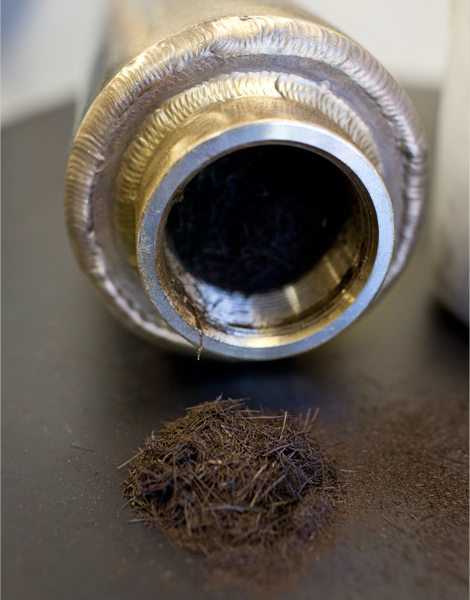
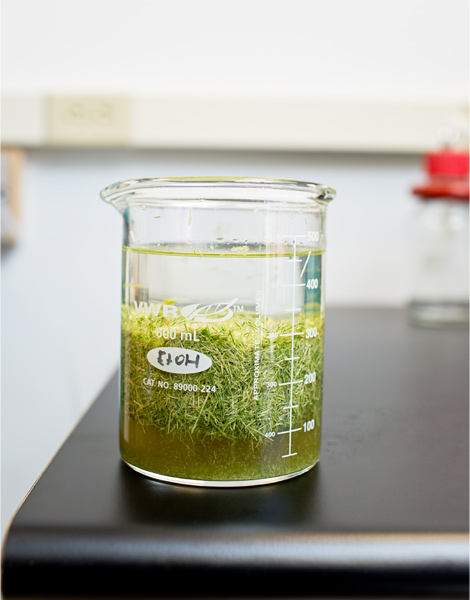
The American company Ecovative is responsible for developing the alternative styrofoam. Mushroom Packaging, as it’s called, is created by letting the mycelium grow around clean agricultural waste, such as corn stalks or husks. Over a few days, the fungus fibers bind the waste together, forming a solid shape. It is then dried to prevent it from growing any further.


Credit: Ecovative
The ingenious, eco-friendly packaging is truly a revolutionary invention, and it is one Ikea is intent on utilizing.

Joanna Yarrow, head of sustainability for Ikea in the U.K., relayed to the press that Ikea is looking to introduce the mycelium packaging because a lot of products that traditionally come in polystyrene cannot be recycled with ease or at all.

Mushroom Packaging, on the other hand, can be disposed of simply by throwing it in the garden where it will biodegrade within weeks.

Credit: Ecovative
The great thing about mycelium is you can grow it into a mould that then fits exactly. You can create bespoke packaging,” said Yarrow.

The mushroom-based packaging was invented in 2006 and is manufactured in Troy, New York. Already, Ecovative is selling its product to large companies, including Dell – which uses the packaging to cushion large computer servers. In addition, it is working with a number of companies in Britain.

Credit: Ecovative
In the past, Ikea launched a vegetarian substitute for meatballs as a more eco-friendly alternative to the Swedish dish served in its cafes. The incentive to do so wasn’t purely to please more consumers but to reduce carbon emissions caused by supporting animal agriculture.

This article was written by: By Amanda Froelich and first appeared on True Activist

This article (Ikea To Use Mushroom-Based Packaging That Will Decompose In A Garden Within Weeks!) is free and open source. You have permission to republish this article under a Creative Commons license with attribution to the author and TrueActivist.com

2016/03/02

viernes, 11 de marzo de 2016

Scientists just discovered plastic-eating bacteria that can break down PET

SeDmi/Shutterstock.com
Bon appétit!
This article was written by Mark Lorch from the University of Hull, and was originally published by The Conversation.

We manufacture over 300 million tonnes of plastics each year for use in everything from packaging to clothing. Their resilience is great when you want a product to last. But once discarded, plastics linger in the environment, littering streets, fields and oceans alike. Every corner of our planet has been blighted by our addiction to plastic. But now we may have some help to clean up the mess in the form of bacteria that have been found slowly munching away on discarded bottles in the sludge of a recycling centre.

Plastics are polymers, long thin molecules made of repeating (monomer) building blocks. These are cross-linked to one another to build a durable, malleable mesh. Most plastics are made from carbon-based monomers, so in theory they are a good source of food for microorganisms.

But unlike natural polymers (such as cellulose in plants) plastics aren’t generally biodegradable. Bacteria and fungi co-evolved with natural materials, all the while coming up with new biochemical methods to harness the resources from dead matter.

But plastics have only been around for about 70 years. So microorganisms simply haven’t had much time to evolve the necessary biochemical tool kit to latch onto the plastic fibres, break them up into the constituent parts and then utilise the resulting chemicals as a source of energy and carbon that they need to grow.
Enzyme innovation

Now a team at Kyoto University has, by rummaging around in piles of waste, found a plastic munching microbe. After five years of searching through 250 samples, they isolated a bacteria that could live on poly(ethylene terephthalate) (PET), a common plastic used in bottles and clothing. They named the new species of bacteria Ideonella sakaiensis.

You may think this is the rerun of an old story, as plastic-eating microbes have already been touted as saviours of the planet. But there are several important differences here.

First, previous reports were of tricky-to-cultivate fungi, where in this case the microbe is easily grown. The researchers more or less left the PET in a warm jar with the bacterial culture and some other nutrients, and a few weeks later all the plastic was gone.
Bottle breakdown. Illustration: P. Huey. Reprinted with permission from U.T. Bornscheuer, Science 351:1154 (2016)
Second - and the real innovation - is that the team has identified the enzymes that Ideonella sakaiensis uses to breakdown the PET. All living things contain enzymes that they use to speed up necessary chemical reactions. Some enzymes help digest our food, dismantling it into useful building blocks. Without the necessary enzymes the body can’t access certain sources of food.

For example, people who are lactose intolerant don’t have the enzyme that breaks down the lactose sugar found in dairy produce. And no human can digest cellulose, while some microbes can. Ideonella sakaiensis seems to have evolved an efficient enzyme that the bacteria produces when it is in an environment that is rich in PET.

The Kyoto researchers identified the gene in the bacteria’s DNA that is responsible for the PET-digesting enzyme. They then were able to manufacture more of the enzyme and then demonstrate that PET could be broken down with the enzyme alone.

First real recycling
This opens a whole new approach to plastic recycling and decontamination. At present, most plastic bottles are not truly recycled. Instead they are melted and reformed into other hard plastic products. Packaging companies typically prefer freshly made 'virgin' plastics that are created from chemical starting materials that are usually derived from oil.

The PET-digesting enzymes offer a way to truly recycle plastic. They could be added to vats of waste, breaking all the bottles or other plastic items down into into easy-to-handle chemicals. These could then be used to make fresh plastics, producing a true recycling system.

Manufactured enzymes are already used to great effect in a wide range of everyday items. Biological washing powders contain enzymes that digest fatty stains. The enzymes known as rennet that are used to harden cheese once came from calfs’ intestines but are now manufactured using genetically engineered bacteria. Maybe we can now use a similar manufacturing method to clean up our mess.

Mark Lorch, Senior Lecturer in Biological Chemistry, Associate Dean for Engagement, University of Hull.

This article was originally published by The Conversation. Read the original article.

ORIGINAL: Science Alert
MARK LORCH, THE CONVERSATION
10 MAR 2016

viernes, 28 de noviembre de 2014

Harvard Scientists May Have Just Solved One of the Biggest Environmental Issues of Our Time

Image Credit: Getty

For years, researchers have been attempting to find a viable, biodegradable alternative to plastic.

Plastic is all around us, in the containers we store our food and in the bottles we drink our beverages from. Our groceries and shopping purchases are all brought home in plastic bags, which have earned the distinction of being "the most ubiquitous consumer item in the world," according to the Guinness World Records.

That's all great, except for the fact that plastic is not a biodegradable product. It takes years for plastic to turn into smaller pieces, but it never breaks down into simple compounds that can be harmlessly reabsorbed by the environment. Instead, it becomes a dangerous pollutant, clogging up waterways, damaging the marine ecosystem and entering the food chain.

But it seems we're closer to the solution than we might think. On Monday, researchers at Harvard University's Wyss Institute announced they have created a new bioplastic based off a novel source: shrimp shells.


How it works: The main component is chitosan, a form of chitin, the second most abundant organic compound in the world. It is found in everything from crustacean shells to insect cuticles and butterfly wings.

Usually, shrimp shells would be discarded or used in fertilizers or makeup. But the Harvard researchers have been able to process these shrimp shells to create a material that is strong, transparent and renewable. They've named it "shrilk."

"There is an urgent need in many industries for sustainable materials that can be mass produced," said Wyss director Donald E. Ingber. "Our scalable manufacturing method shows that chitosan, which is readily available and inexpensive, can serve as a viable bioplastic that could potentially be used instead of conventional plastics for numerous industrial applications."

The best part is that not only does shrilk biodegrade in a matter of weeks once it's discarded, it actually releases nutrients into the environment as it breaks down. Researchers have been able to grow a plant in soil that is enriched with chitosan, demonstrating how man-made garbage can actually contribute to the environment.

Image Credit: Wikimedia

Why this is important: Plastic garbage has been a problem for decades, and it's only getting worse. Over the past decade, we have produced more plastic than in the entirety of the 20th century, and half was for single-use products such as soda cups, straws and plastic bags. We use 500 billion plastic bags alone every year.

All that junk is not going anywhere anytime soon. Most plastic trash ends up in the oceans and accumulates in gyres, which are massive whirlpools created by the current. These giant, rotating heaps of garbage cover as much as 40% of the Earth's ocean surface; the biggest one, the infamous Great Pacific Garbage Patch, is located off the coast of California and is twice the size of Texas. Researchers predict that these gyres are only going to get bigger in coming years:


Creating plastic is not very efficient, either. Almost 3% of America's total petroleum consumption is due to plastic production, as well as around 2% of total U.S. natural gas consumption. And though we have all been told to do our part and "reuse, reduce and recycle," the latter doesn't really apply to plastic; due to the way they are processed, we can only recover 5% of the plastics we produce.

Given all these difficulties, a new material like shrilk could be a true game-changer, not only in the conservation movement, but in global consumer behavior. It will be many years before something like shrilk can be mass-produced and introduced to average consumers. But given that in our lifetime, we'll never be able clean up all the plastic trash we've already produced, it's certainly the right step to find a suitable alternative — especially if it can return nutritious byproducts to the environment.

ORIGINAL: MIC.com
May 7, 2014

Eileen Shim
Eileen is a writer living in New York. She studied comparative literature and international studies at Yale University, and enjoys writing about the intersection of culture and politics.

lunes, 22 de julio de 2013

Plastic from Grass

June 5, 2013

Engineers seek a cheaper biodegradable polymer.

Oliver Peoples cofounded Meta­bolix with biologist Anthony Sinskey .

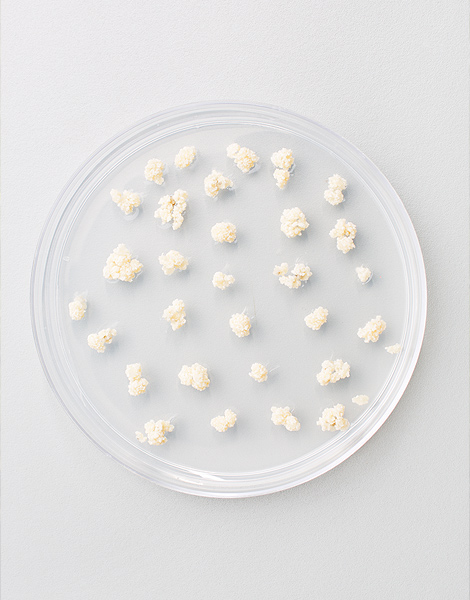
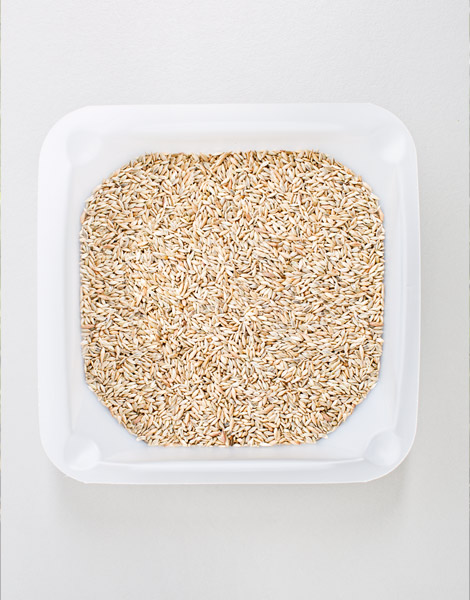
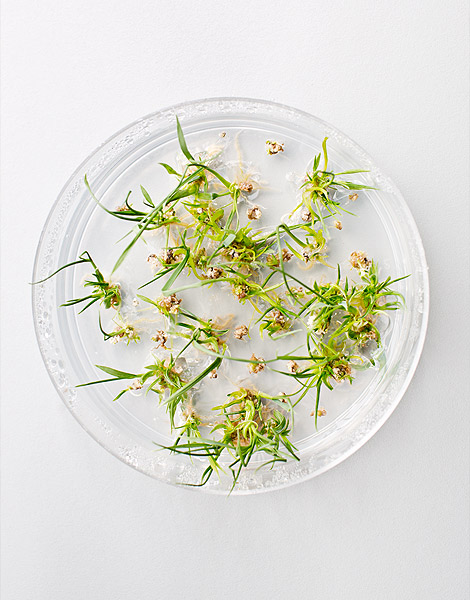
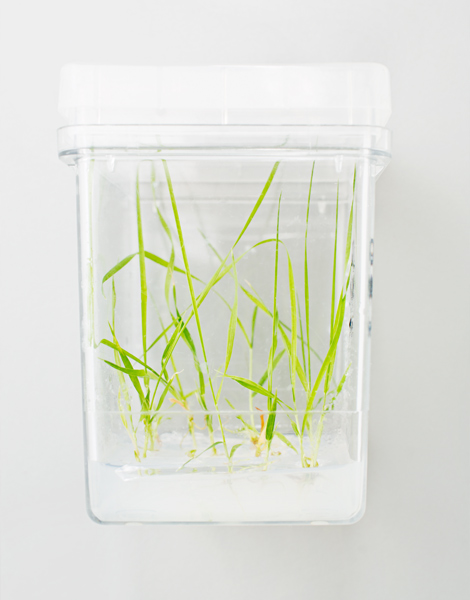
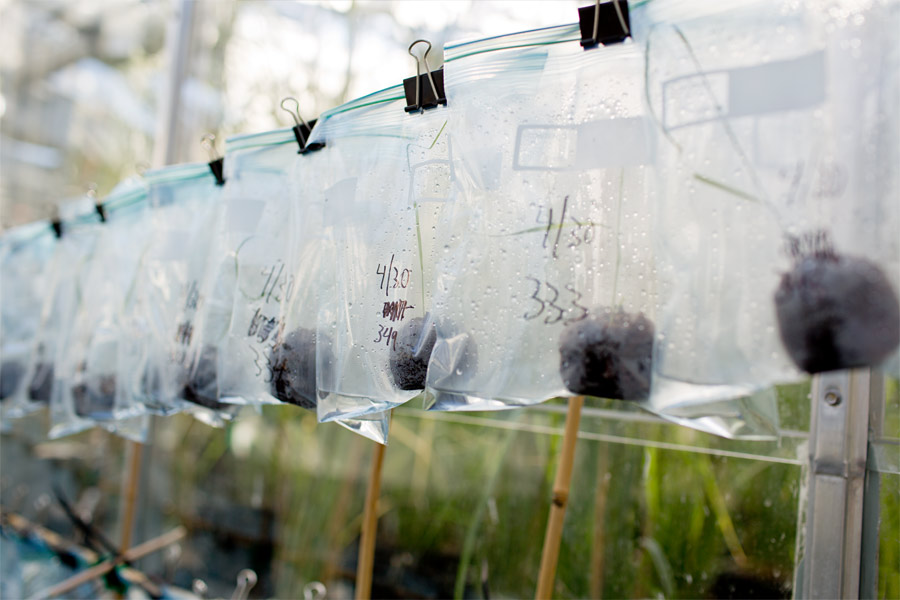
Nearly all the plastics sold today come from petroleum and aren’t biodegradable. But researchers at Metabolix in Cambridge, Massachusetts, are genetically engineering switchgrass to produce a biodegradable polymer that can be extracted directly from the plant.

That could transform the economics of making biodegradable polymers. Metabolix already sells such a polymer, but it’s produced by bacteria that feed on plant sugars in expensive fermenters. A plant-based process, which could use crops grown on marginal lands, would require less equipment.

Metabolix estimates that it could ultimately sell its plant-based polymers at less than half today’s prices. Whereas today’s end products are niche items like biodegradable plastic shopping bags, more widely used types of products and packaging could then become economical.

The plants-to-plastics vision has gripped Metabolix’s chief scientific officer, Oliver Peoples, a former MIT research scientist, for more than 20 years since he and colleague Anthony Sinskey, an MIT biology professor, discovered metabolic genes that allow bacteria found in soil to naturally produce a polymer known as PHA. But after they founded Metabolix, it took a decade to optimize metabolic systems in the bacteria to produce useful amounts of PHA. Doing so in plants is even more difficult. “It’s much more complex and time-consuming to engineer a complex and slow-growing species like switchgrass versus a very simple bacterium,” Peoples says.


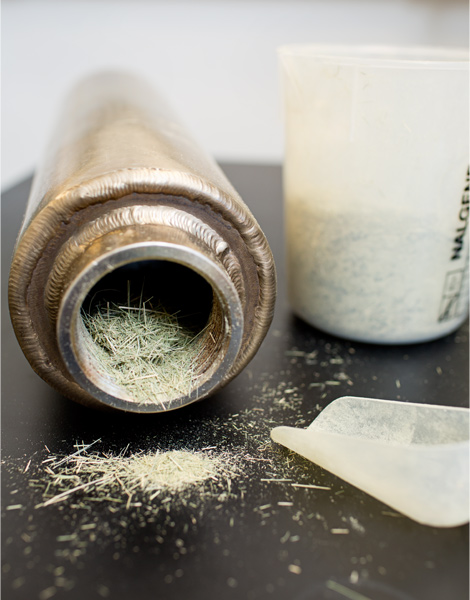
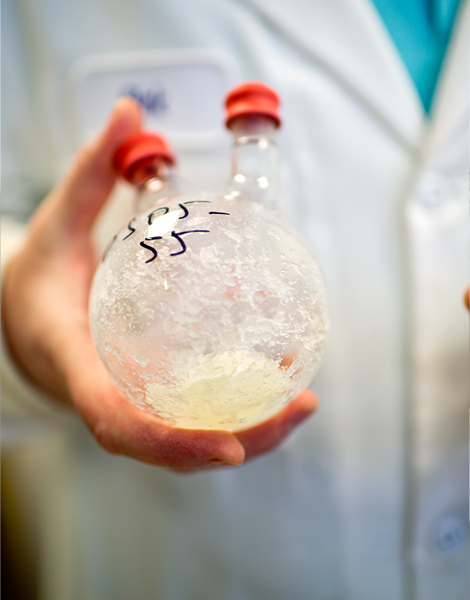
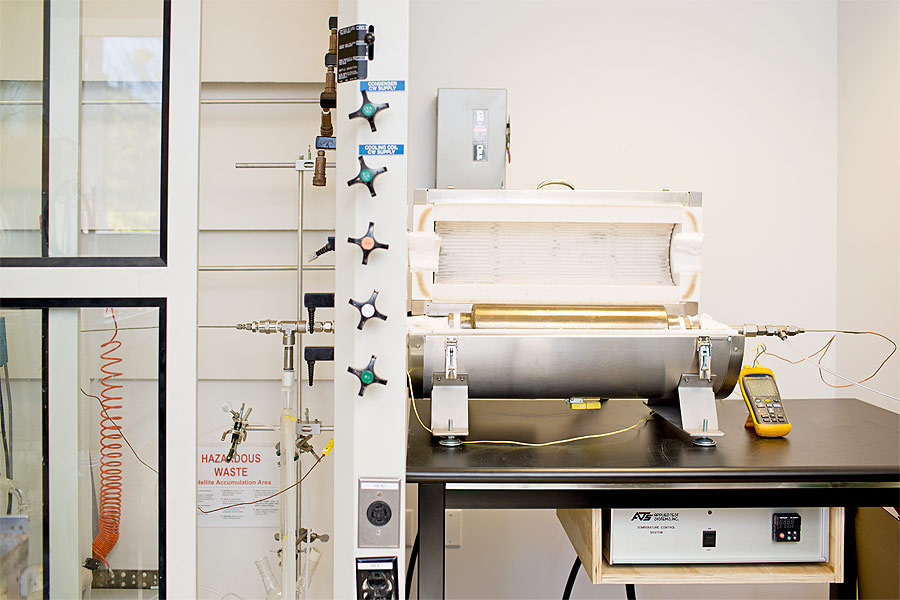
Now, Metabolix plant scientists are working anew on inserting those genes, plus others that regulate growth, into plants including switchgrass, camelina, and sugarcane. In switchgrass, they’re coaxing the plant to produce and store in its tissues a specific type of PHA, known as PHB, that can be used to make injection-­molded products such as electronics housings. The company is also working on chemical production steps, including extraction of the PHB using solvents, and a thermal method of converting the PHB into a chemical called crotonic acid, which can be used as a feedstock for polymers. After the PHB is extracted or the crotonic acid produced, remnants of the grass could be burned as a biomass energy source that produces lower net carbon emissions than fossil fuels.

Metabolix calculates that the grass must produce 10 percent of its weight as PHB to be economically competitive with other sources of biodegradable plastics. The company has already nearly doubled the PHB content in switchgrass, from 1.2 percent in 2008 to 2.3 percent last year, including 7 percent in the leaves. The process would still produce some carbon emissions: growing and harvesting plants requires fossil-fuel-based fertilizers and fossil-fuel-powered machines. But Peoples predicts it would be cleaner overall than producing plastic from fossil fuels, though a full analysis has yet to be done. For now, he’s eager to finally realize his plants-to-plastics vision. “This is a testament to sheer bloody single-mindedness,” he says.

domingo, 5 de mayo de 2013

Researchers create edible battery


Researchers create edible battery

Stimulating damaged tissue, bio-sensing gastric health, targeting drug delivery and more could soon be as easy as popping your morning multivitamin — thanks to the joint work of Carnegie Mellon University's Christopher Bettinger and Jay Whitacre. The two cutting-edge researchers have combined forces to develop edible electronic devices — no larger than ordinary pills — to improve medical care.

Bettinger has been developing pioneering biodegradable electronic materials for medical use, but had a few nagging concerns. "Two questions kept coming up," he explained. "First, how were we going to power these devices? Second, if they're degradable and temporary, then what was the best way to integrate them with the human body?"

Whitacre, associate professor of materials science and engineering and engineering and public policy, had created a revolutionary low-cost, non-toxic sodium ion battery. "I had claimed my device was so non-toxic that you 'could eat the battery,'" explained Whitacre. "Chris came into my office and asked, 'Can you really eat it?' The answer is yes and the rest is history — my edible battery chemistry with his need for low level power in a digestible form were a great match."

"We thought the innovation from that battery could be a great segue to medical materials," added Bettinger. "So we leveraged its advantages in a different setting."

With post-doctoral researchers Young Jo Kim and Sang-Eun Chun as part of the team, they devised a tiny, biocompatible battery in edible form that a patient could 'take' once a day.

The shape-memory polymer conceived in Bettinger's lab starts small when swallowed, then expands in the body where needed. The battery materials created in Whitacre's lab are commonly available and inexpensive — necessary for a daily device. The battery materials pass right through the system while the binding materials naturally biodegrade.

Unlike an implanted device, it's minimally invasive, and as with any orally-taken 'pill,' doesn't require sterilization. And if that weren't enough, the battery activates itself when wet, so the casing can be designed to absorb water at a pre-determined rate meaning "actual initiation would be passively engineered in the device itself," says Bettinger. While specific applications are still in the future, it's a remarkable way to "lay the groundwork."

Source and top image showing a graphic demonstration of the device: Carnegie Mellon University

jueves, 24 de enero de 2013

Breaking the bacteria barrier

ORIGINAL: IBM

The Research Team (from left to right): Dr James L. Hedrick, IBM Research, Dr Yi-Yan Yang, IBN Group Leader, Dr Shaoqiong Liu, IBN Research Scientist, Dr Jeremy Tan, IBN Research Scientist and Li Yan, IBN PhD Candidate.
Bacterial biofilms appearing on the skin and on medical devices and household surfaces are difficult to treat and demonstrate high resistance to antibiotics. Antimicrobial hydrogels developed by IBM Research and the Institute for Bioengineering and Nanotechnology demonstrate 100% efficiency in destruction of these biofilms, with application potential for catheter and medical device coatings, implants, skin and everyday surfaces.

New hydrogel born from semiconductor research may help save lives

We are obsessed with cleanliness. From anti-bacterial cart wipes at the supermarket to individual sized packages of wipes and gels that we can carry in a pocket or a purse - you'd think we were winning in the war against germs.

But in hospitals, clinics and other medical facilities, the potential for infection still exists. Despite advanced sterilization and aseptic techniques, infections associated with medical devices and surfaces have not been eradicated, thanks to the increase in drug-resistant bacteria.

According to the CDC, antibiotic drug resistance in the U.S. costs an estimated $20 billion a year in healthcare costs as well as 8 million additional days spent in the hospital[1]. And hospital-acquired infections are among the top five leading causes of death in the United States and account for up to $11 billion in healthcare spending each year[2].

And while personal anti-bacterial products exist on the market today in the form of the aforementioned hand gels and wipes, these products target very common germs and most contain ethanol as a key ingredient. Ethanol evaporates after a very short time after application and does not provide long-lasting protection.

Cleaning products that effectively destroy bacteria on surfaces, including alcohol and bleach, also break down and/or evaporate after a short period of time and are not transferrable for human application based on their toxicity.

Now imagine a long-lasting substance that is biocompatible and non-toxic, but also biodegradable. A substance that destroys specific types of bacteria but leaves healthy skin and cells alone – one that could be applied to medical facility surfaces, surgical and diagnostic instruments, and even – one day - medical implants.

IBM Research, in association with the Institute of Bioengineering and Nanotechnology in Singapore have taken a first step towards that future with the development of an antimicrobial hydrogel that can break through diseased biofilms and eradicate drug-resistant bacteria upon contact.

We were driven to develop a more effective therapy against superbugs due to the lethal threat of infection by these rapidly mutating microbes and the lack of novel antimicrobial drugs to fight them. Using the inexpensive and versatile polymer materials that we have developed jointly with IBM, we can now launch a nimble, multi-pronged attack on drug-resistant biofilms which would help to improve medical and health outcomes.”. Dr Yi-Yan Yang, Group Leader, Institute of Bioengineering and Nanotechnology, Singapore


It began with computer chips
The IBM nanomedicine polymer program began in IBM Research labs only four years ago with the mission to improve human health.

The program itself stems from decades of materials development traditionally used for semiconductor technologies. In earlier chip development research, IBM researchers identified specific materials that, when chained together, produced an electrostatic charge that allows microscopic etching on a wafer to be done at a much smaller scale.

This newfound knowledge that characterization of materials could be manipulated at the atomic level to control their movement inspired the team to see what else they could do with these new kinds of polymer structures. They started with methicillin-resistant Staphylococcus aureus (MRSA).

The outcome of that experiment was the creation of what are now playfully known as "ninja polymers" – sticky nanostructures that move quickly to target infected cells in the body, destroy the harmful content inside, and can then disappear by biodegrading without causing damaging side effects or accumulating in the organs. As a bonus, all of this occurs without damaging healthy cells in the area.

The next step was to figure out how to apply this new capability to other applications to help fight harmful bacteria.
Zipping molecules and zapping bacteria
Through the precise tailoring of polymers, researchers were able to create macromolecules - molecular structures containing a large number of atoms - which combine water solubility, a positive charge, and biodegradability. When mixed with water and heated to normal body temperature, the polymers self-assemble, swelling into a synthetic gel that is easy to manipulate.

This is a fundamentally different approach to fighting drug-resistant biofilms. When compared to capabilities of modern-day antibiotics and hydrogels, this new technology carries immense potential. This new technology is appearing at a crucial time as traditional chemical and biological techniques for dealing with drug-resistant bacteria and infectious diseases are increasingly problematic.”. James Hedrick, Advanced Organic Materials Scientist, IBM Research

This capability stems from internal reactions that create a molecular "zipper" effect. Similar to how zipper teeth link together, the short segments on the new polymers interlock, thickening the water-based solution into moldable and highly malleable hydrogels.

When applied to contaminated surfaces, the hydrogel's positive charge attracts negatively charged microbial membranes, like stars and planets being pulled into a black hole. However, unlike other antimicrobials that target the internal machinery of bacteria to try to prevent it from replicating, this hydrogel destroys the bacteria by rupturing the bacteria’s membrane, rendering it completely unable to regenerate or spread.

The hydrogel developed by the team is comprised of more than 90 percent water, making it easy to handle and apply to surfaces. It also makes it potentially viable for eventual inclusion in applications like creams or injectable therapeutics for wound healing, implant and catheter coatings, skin infections or even orifice barriers. It is the first-ever to be biodegradable, biocompatible and non-toxic, potentially making it an ideal tool to combat serious health hazards facing hospital workers, visitors and patients.

By preventing infections before they happen, doctors, hospitals, patients and healthcare providers may one day all benefit from improved medical outcomes and lower healthcare costs. This jointly developed hydrogel may be a key that helps open that door to the future.

Explore this topic
Meet the researchers

Polymer Chemist, 
IBM Research - Almaden

Post Doctoral Researcher, 
IBM Research - Almaden

Advanced Organic Materials, 
IBM Research - Almaden


miércoles, 24 de octubre de 2012

Nanoparticles deliver cargo inside mitochondria


Shanta Dhar, right, an assistant professor of chemistry in the UGA Franklin College of Arts and Sciences, and doctoral student Sean Marrache have fabricated nanoparticles that boost the effectiveness of drugs by delivering them to the mitochondria of cells (credit: University of Georgia).

Targeted drug delivery is one of the most important contributions of current and near-term nanotechnology to medicine. New research shows that specifically targeting one component of the cell makes nanoparticle-mediated drug delivery much more effective for a variety of applications. A hat tip to KurzweilAI.net for reprinting this University of Georgia news release “UGA researchers boost efficacy of drugs by using nanoparticles to target ‘powerhouse of cells’“:

Nanoparticles have shown great promise in the targeted delivery of drugs to cells, but researchers at the University of Georgia have refined the drug delivery process further by using nanoparticles to deliver drugs to a specific organelle within cells.

By targeting mitochondria, often called “the powerhouse of cells,” the researchers increased the effectiveness of mitochondria-acting therapeutics used to treat cancer, Alzheimer’s disease and obesity in studies conducted with cultured cells.

The mitochondrion is a complex organelle that is very difficult to reach, but these nanoparticles are engineered so that they do the right job in the right place,” said senior author Shanta Dhar, an assistant professor of chemistry in the UGA Franklin College of Arts and Sciences.

Dhar and her co-author, doctoral student Sean Marrache, used a biodegradable, FDA-approved polymer to fabricate their nanoparticles and then used the particles to encapsulate and test drugs that treat a variety of conditions. Their results were published this week in early edition of the journal Proceedings of the National Academy of Sciences [abstract].

To test the effectiveness of their drug targeting system against cancer, they encapsulated the drug lonidamine, which works by inhibiting energy production in the mitochondria, and, separately, a form of the antioxidant vitamin E. They then treated cultured cancer cells and found that mitochondrial targeting increased the effectiveness of the drugs by more than 100 times when compared to the drugs alone and by five times when compared to the delivery of drugs with nanoparticles that target the outside of cells.

Similarly, the compound curcumin has shown promise in inhibiting formation of the amyloid plaques that are a hallmark of Alzheimer’s disease, but it quickly degrades in the presence of light and is broken down rapidly by the body. By encapsulating curcumin in the mitochondria-targeting nanoparticles, however, the researchers were able to restore the ability of brain cells in culture to survive despite the presence of a compound that encourages plaque formation. Nearly 100 percent of the cells treated with the mitochondria-targeting nanoparticles survived in the presence of the plaque-inducing compound, compared to 67 percent of cells treated with free curcumin and 70 percent of cells treated with nanoparticles that target the outside of cells.

Finally, the researchers encapsulated the obesity drug 2,4-DNP—which works by making energy production in the mitochondria less efficient—in their nanoparticles and found that it reduced the production of fat by cultured cells known as preadipocytes by 67 percent compared to cells treated with the drug alone and by 61 percent of cells treated with nanoparticles that target the outside of cells.

A lot of diseases are associated with dysfunctional mitochondria, but many of the drugs that act on the mitochondria can’t get there,” Marrache said. “Rather than try to alter the drugs, which can reduce their effectiveness, we encapsulate them in these nanoparticles and precisely deliver them to the mitochondria.

Dhar said that getting drugs to the mitochondria is no simple feat. Upon entering cells, nanoparticles enter a sorting center known as the endosome. The first thing Dhar and Marrache had to demonstrate was that the nanoparticles escape from the endosome and don’t end up in the cells’ disposal center, the lysosome.

The mitochondria itself is protected by two membranes separated by an interstitial space. The outer membrane only permits molecules of a certain size to pass through, while the inner membrane only permits molecules of a given range of charges to pass. The researchers constructed a library of nanoparticles and tested them until they identified the optimum size range—64 to 80 nanometers, or approximately 1,000 times finer than the width of a human hair—and an optimum surface charge, plus 34 millivolts.

Dhar notes the components they used to create the nanoparticles are FDA approved and that their methods are highly reproducible and therefore have the potential to be translated into clinical settings. The researchers are currently testing their targeted delivery system in rodents and say that preliminary results are promising.

Mitochondrial dysfunctions cause many disorders in humans,” Dhar said, ” so there are several potential applications for this delivery system.

Subject to the usual caveat that these nanoparticles are still in an early stage of testing, having been tested only in cell culture, it is remarkable that such effective targeting to reach the matrix of the mitochondria was achieved by the relatively crude strategy of optimizing only particle size and surface charge through engineering polymer composition. So success was achieved through clever application of biological knowledge more than through sophisticated atomically precise construction. It will be fascinating to watch the evolution of this technology as ever more sophisticated construction leads to increasing effectiveness. While we are waiting, this targeting of drug delivery to mitochondria is likely to be especially helpful because so many pathologies seem rooted in imperfections and consequences of the symbiosis that led to eukaryotic cells, and all complex life on Earth, nearly two billion years ago.
—James Lewis, PhD

lunes, 10 de septiembre de 2012

Muestra de la SAI descubre a los inventores antioqueños

ORIGINAL: El Colombiano
Por JUAN CARLOS VALENCIA GIL
10 de septiembre de 2012

FOTOS RÓBINSON SÁENZ
Una toalla higiénica que detecta embarazos y diabetes, un controlador de ambientes a partir del movimiento de los ojos y un robot para tareas domésticas: entre los desarrollos.

Maribel Valencia Hernández tiene clara la misión que cumplirá como ingeniera biomédica: “Mejorar la calidad de vida de todos”.

Por eso ella y sus amigos Cristian Camilo Torres Díaz y Adriana Marcela Correa Mira, que también cursan séptimo semestre en el Instituto Tecnológico Metropolitano, desarrollaron un sistema inalámbrico que permite monitorear la salud de los pacientes.

Tras cinco meses de trabajo, apoyados por el profesor Carlos Alberto Valencia Hernández, director del Grupo de Automatización, Robótica y Pedagogía de la Institución Universitaria Pascual Bravo, crearon el prototipo con el que el usuario se podrá mover hasta 5 kilómetros a la redonda y emitirá todo el tiempo señales de frecuencia respiratoria y temperatura. Aspiran a que el dispositivo también transmita las de un electrocardiograma.

Los tres presentaron uno de los 74 proyectos del V Salón de Inventores e Innovadores que, como cada año, organizó la Sociedad Antioqueña de Ingenieros y Arquitectos (SAI).

Este fin de semana, el segundo piso del edificio Ruta N se llenó de estudiantes, profesionales y empíricos que exhibieron sus novedades para que la Alcaldía, la empresa privada o inversionistas independientes les hagan señales con fines de comercialización.

Al mostrar sus inventos estamos rompiendo el hielo en cuestión de inversión y se crea un ambiente favorable en el Gobierno y en el sector privado”, comentó Álvaro Villegas Moreno , presidente de la SAI.

El encuentro de inventores no solo les sirvió a ellos. Luisa Rentería, estudiante de once del Cefa, confesó que se antojó de hacer su propia investigación.

En las propuestas se destacaron el talento y la sensibilidad social de los investigadores. Aquí cuatro casos destacados.

El invento de Alejandro permite detectar embarazos y diabetes con una toalla
El médico epidemiólogo de la Universidad de Antioquia, Alejandro Vargas Gutiérrez, inventó una toalla higiénica que, con biotecnología y nanotecnología, detecta embarazos, diabetes e infecciones urinarias y vaginales. La idea se le ocurrió en 2009 y desde el año pasado tramita la patente en Estados Unidos. Según él, ya tuvo resultados positivos, pero faltan exámenes de especialistas externos. Con la ayuda de dineros privados logró el prototipo. Quiere vender la patente y calcula que el producto costará 2.500 pesos en el mercado.

Con Lina Gómez Serna (también en la foto), su compañera en la Secretaría de Salud de Envigado, creó una vasija con cáscaras de frutas y verduras, que es biodegradable y, resaltó el médico, se podría vender en restaurantes escolares.

Andrés Felipe y Fáber se ingeniaron un robot para ayudarles a los ancianos
Andrés Felipe Sánchez Pérez (izquierda) cursa segundo semestre de Técnica Mecatrónica en el Cesde. Al ver las dificultades de su abuela para hacer tareas domésticas, pensó en un robot. “Averigüé orugas, pero son muy costosas, entonces mi abuela me vio frustrado y me dio los 550.000 pesos que necesitaba en monedas de 500”, relató el muchacho de 18 años, que consideró que la robótica era necesaria “para darle vida” a su máquina. Se inscribió en un curso en la Universidad de Antioquia y ahí conoció a Fáber Jiménez (derecha), quien fortaleció el proyecto. El robot se llama Bromcil (Brazo robótico con orugas, motores, cámaras, inalámbrico y luces) y, desde un brazo inalámbrico, se programa para que barra, trapee, sacuda, abra puertas, lleve medicamentos, levante hasta 60 kilos e incluso, con el quadcopter, tome fotos desde el aire.

Con solo mover los ojos, como si fuera un mouse, Daniel sube la cama y apaga el foco

Ver a su abuela con la mitad del cuerpo paralizado y ponerse en los zapatos de quienes no pueden hablar, fueron las motivaciones que llevaron a Daniel Cuartas Quiceno a desarrollar un seguidor de pupila con el que el usuario puede apagar el foco, mover una cama médica y cambiar de canal en el televisor, entre otras tareas. La persona se pone las gafas con el dispositivo, mira una pantalla y con sus ojos dirige el cursor, como si fuera un mouse. Por su programación, explicó Daniel, el aparato detalla si el usuario se detiene en un punto solo para explorar o para elegir, y si es esta última opción, la ejecuta. El joven de 25 años, estudiante de sexto semestre de Mecatrónica en la Escuela de Ingeniería de Antioquia, afirmó que su innovación va dirigida a los discapacitados, “aunque también sirve para perezosos”, apuntó.

Jhoán, Luz y Jéssica le sacan jugo a la cáscara de banano y cuidan la naturaleza
Luego de un año de investigación y análisis, Luz Marina Marín Rodríguez, Jéssica Suaza Martínez y Jhoán Úsuga Berrío (en ese orden en la foto) extrajeron celulosa de las cáscaras de banano. Se trata de un polvo con el que se hace papel cartón, celofán y rayón. “Antioquia es de los departamentos más bananeros de Colombia y queríamos darle uso a la cáscara. Es fuente alternativa para no tumbar árboles. Molemos cáscaras y les hacemos procesos químicos. De la mayoría de las frutas podemos obtener celulosa. La gente recurre a los árboles porque fue la primera fuente donde encontró celulosa”, apuntó Jhoán y agregó que la aspiración del grupo es venderle la innovación a un fabricante de papel. Los jóvenes, estudiantes de Tecnología en Química Aplicada a la Industria, en el Sena, también están analizando la obtención de biogás a partir de estas cáscaras. El investigador indicó que el biogás sirve como alternativa de gas combustible o para uso doméstico.

PARA SABER MÁS

PLATA PARA INNOVACIÓN Y EMPRENDIMIENTO

En el cuatrienio de Aníbal Gaviria la innovación y el emprendimiento recibirán un presupuesto de 228.025 millones de pesos. Además, el Acuerdo 67 de 2010 del Concejo determina estímulos tributarios para las empresas que innoven. Y el Plan de Ciencia, Tecnología e Innovación traza políticas hasta el 2021. Gonzalo Tejada, director de Investigaciones Académicas de Esumer, dijo que en el país “se destina el 0,4 por ciento del PIB a estos campos, mientras que en Estados Unidos, el 4 o 5 por ciento. Claro que Colombia llegaría al 0,8 mediante la adición del 10 por ciento de las regalías”.

EN DEFINITIVA
El Salón de Inventores es una obra de la SAI para que los ingeniosos expongan sus proyectos y consigan apoyo económico. Doscientos millones de pesos costó el montaje del encuentro.