
When Professor Richard McMahon, a senior lecturer in the University of Cambridge Department of Engineering, closes his eyes, he sees a future powered by the wind. He envisions a day when wind turbines are as common as trees in the courtyards on his campus. He sees small generators built to be aesthetically pleasing as well as energy efficient. While thousands of massive wind turbines now dot the countryside of England, producing renewable energy with impressive results, small wind turbines in more urban settings are costly, noisy, complex systems that aren’t very reliable.
 So, Richard, doctoral students from the University of Cambridge and experts from Texas Instruments have teamed up to make small scale wind turbines a viable energy option.
Before they could get started with their research, they had to solve one big problem – creating a system to simulate the wind. Without a wind emulator, the team could not conduct any sort of testing and would be forced to rely on the ups and downs of Mother Nature. So, the team decided to build their own wind emulator to mimic wind speeds and direction.
“In order to test systems, we need reproducible conditions. It is very hard to go outside and get reproducible wind conditions. You might be waiting a very long time,” said Richard.
With the wind emulator in place, the team looked at opportunities to optimize how the energy is transferred from the turbine to the generator and then onto the electrical grid. While engineers can control a lot of these factors, the challenge for the team came in the lack of control over wind speed or direction.
“How do you get the maximum power from the wind and put it on the grid when the wind can quickly change in different ways?” said Dave Freeman, TI (Texas Instruments) Fellow and chief technologist for TI’s Power Management business.

Before they could get started with their research, they had to solve one big problem – creating a system to simulate the wind. Without a wind emulator, the team could not conduct any sort of testing and would be forced to rely on the ups and downs of Mother Nature. So, the team decided to build their own wind emulator to mimic wind speeds and direction.
“In order to test systems, we need reproducible conditions. It is very hard to go outside and get reproducible wind conditions. You might be waiting a very long time,” said Richard.
With the wind emulator in place, the team looked at opportunities to optimize how the energy is transferred from the turbine to the generator and then onto the electrical grid. While engineers can control a lot of these factors, the challenge for the team came in the lack of control over wind speed or direction.
“How do you get the maximum power from the wind and put it on the grid when the wind can quickly change in different ways?” said Dave Freeman, TI (Texas Instruments) Fellow and chief technologist for TI’s Power Management business.
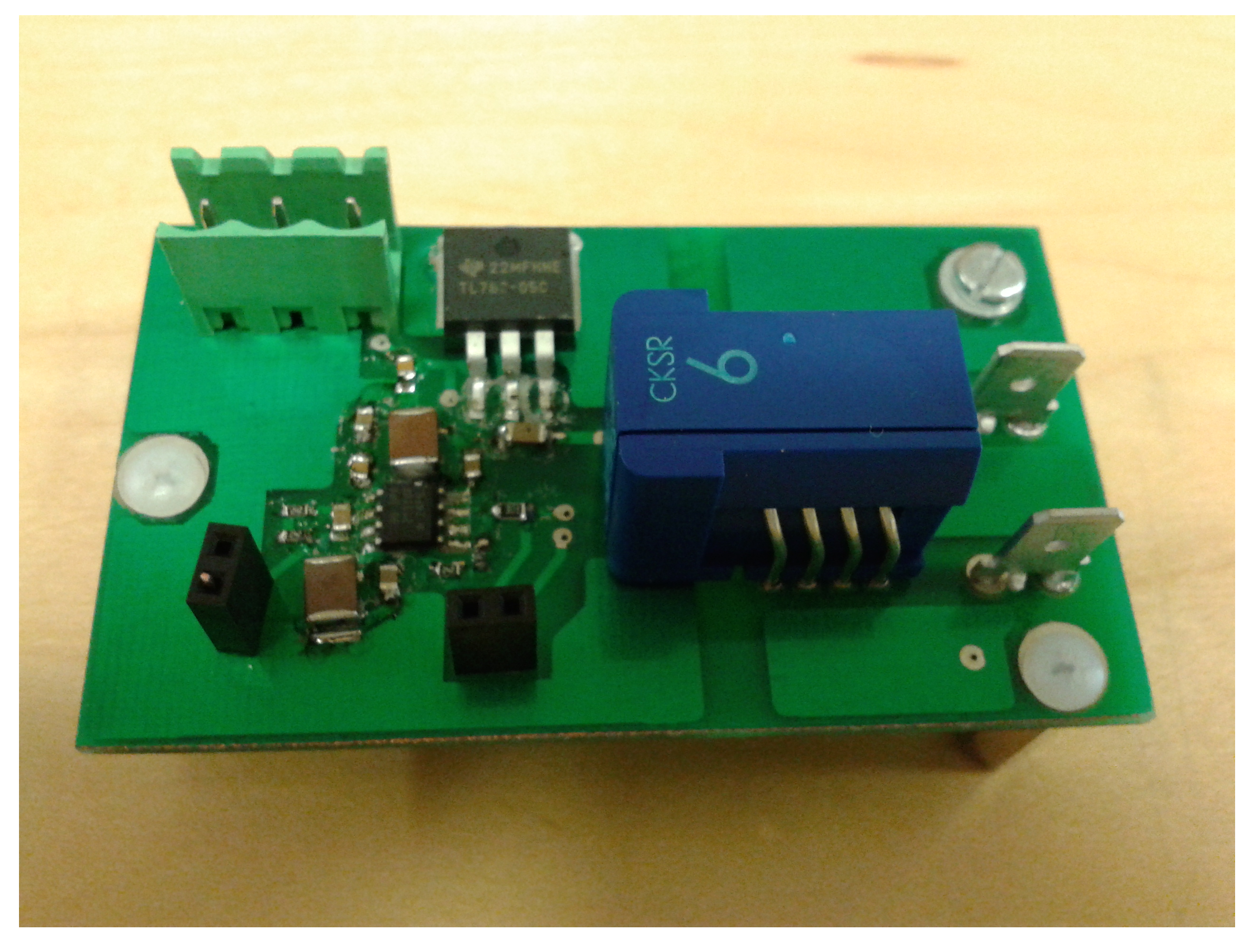
The team narrowed their focus on sensors in the wind turbine, finding many sensors involving turbine and generator speed add unnecessary cost and unreliable mechanics. To resolve this issue, the team has been experimenting with a third-party real time operating system controlling the generator, with the end-goal of putting the system onto a TI microcontroller or digital signal processor.
After more extensive testing with their newly built wind emulator, the team hopes to take their innovation into the real world and possibly make small scale wind turbines a commercially attractive option.
“Let’s test it out with the wind emulator, and then, with TI, we can put forward an offering to companies making small wind turbines,” said Richard.
Dave said the collaboration with the University of Cambridge has been a big win for everyone involved. TI provided funding and know-how with the chips and control systems while the University of Cambridge offered wind energy expertise and access to students with bright engineering minds.He said the research could be done in Kilby Labs, but it was a much better use of resources to work with a university that already had experience and expertise in the wind energy field.
Because of the research done by TI and the University of Cambridge, small scale wind turbines may no longer be labeled costly, noisy, complex systems that aren’t very reliable. Soon, Richard might not have to close his eyes to see wind turbines in his neighborhood.
ORIGINAL: TI
After more extensive testing with their newly built wind emulator, the team hopes to take their innovation into the real world and possibly make small scale wind turbines a commercially attractive option.
“Let’s test it out with the wind emulator, and then, with TI, we can put forward an offering to companies making small wind turbines,” said Richard.
Dave said the collaboration with the University of Cambridge has been a big win for everyone involved. TI provided funding and know-how with the chips and control systems while the University of Cambridge offered wind energy expertise and access to students with bright engineering minds.He said the research could be done in Kilby Labs, but it was a much better use of resources to work with a university that already had experience and expertise in the wind energy field.
Because of the research done by TI and the University of Cambridge, small scale wind turbines may no longer be labeled costly, noisy, complex systems that aren’t very reliable. Soon, Richard might not have to close his eyes to see wind turbines in his neighborhood.
ORIGINAL: TI
Around TI
Jan 23 2014
Jan 23 2014


