Mostrando entradas con la etiqueta Greenpeace. Mostrar todas las entradas

jueves, 30 de junio de 2016

More than 100 Nobel laureates are calling on Greenpeace to end its anti-GMO campaign

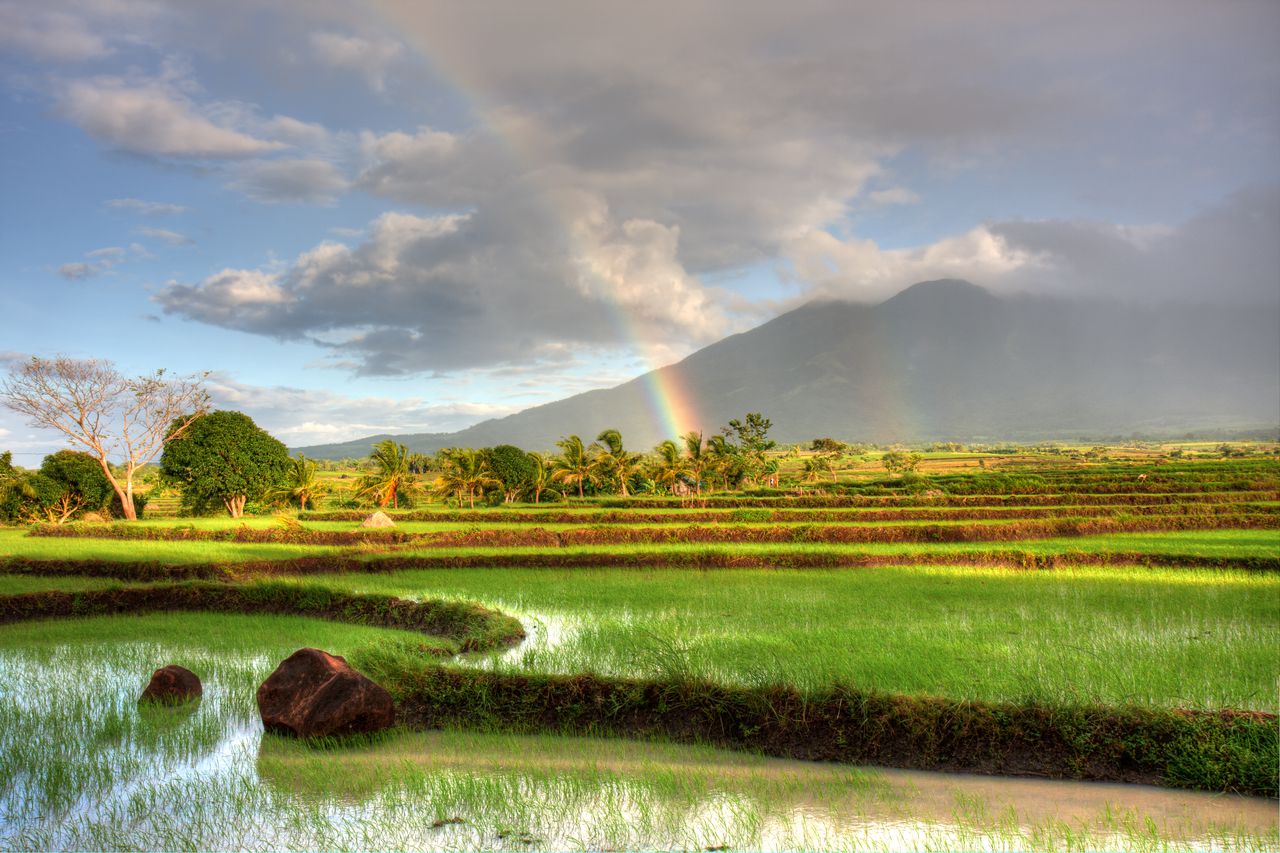
Rice field in the Philippines. No Golden Rice here (yet).(Shutterstock)
This week, 109 Nobel laureates signed onto a sharply worded letter to Greenpeace urging the environmental group to rethink its longstanding opposition to genetically modified organisms (GMOs). The writers argue that the anti-GMO campaign is scientifically baseless and potentially harmful to poor people in the developing world.

Joel Achenbach broke the news in the Washington Post, and you can read the full letter here. The signatories include past winners of the Nobel Prize in medicine, chemistry, physics, and economics.

Nobel laureates to Greenpeace: Your anti-GMO campaign has to end
The letter notes that scientific assessments have repeatedly found GM foods are just as safe to eat as conventional foods and don’t pose an inherent risk to the environment (though, like any technology, they can be misused). Greenpeace, it argues, is on the wrong side here:
We urge Greenpeace and its supporters to re-examine the experience of farmers and consumers worldwide with crops and foods improved through biotechnology, recognize the findings of authoritative scientific bodies and regulatory agencies, and abandon their campaign against "GMOs" in general and Golden Rice in particular.

Scientific and regulatory agencies around the world have repeatedly and consistently found crops and foods improved through biotechnology to be as safe as, if not safer than those derived from any other method of production. There has never been a single confirmed case of a negative health outcome for humans or animals from their consumption. Their environmental impacts have been shown repeatedly to be less damaging to the environment, and a boon to global biodiversity.
The laureates also take Greenpeace to task for seeking to block Golden Rice, a strain of not-yet-approved rice that has been genetically enhanced to produce beta carotene — which, its creators hope, might one day alleviate the Vitamin A deficiency that’s causing widespread death and blindness in the developing world:
Greenpeace has spearheaded opposition to Golden Rice, which has the potential to reduce or eliminate much of the death and disease caused by a vitamin A deficiency (VAD), which has the greatest impact on the poorest people in Africa and Southeast Asia. ...

WE CALL UPON GREENPEACE to cease and desist in its campaign against Golden Rice specifically, and crops and foods improved through biotechnology in general;

Now, Greenpeace is far from the only reason Golden Rice has struggled to get regulatory approval — the crop also faces very serious technical challenges. Greenpeace isn’t even the only group seeking to block it. But they’re certainly a high-profile face of GMO opposition, so the laureates are focusing on them.

In a posted response, Greenpeace denied that they were the main reason Golden Rice has failed to come to market, but still showed no sign of ending their broader anti-GMO campaign. We'll get to that, but I do want to elaborate on a few issues the letter raises.

Greenpeace accepts climate science. So why do they dismiss GMO science?
(MICHAEL KAPPELER/AFP/Getty Images)A picture taken on May 3, 2005, shows Greenpeace activists flying a kite displaying a giant corn cob on a field in Seelow, Eastern Germany, to protest against the cultivation of genetically modified maize.

Let’s start off by noting that GMOs will never be a purely scientific issue. Like every policy matter on the planet, the question of how best to incorporate biotechnology into agriculture involves value judgments about what an ideal food system might look like, how to weigh the risks against the benefits, and so on.

But those positions can at least be informed by scientific understanding. To take a different example, on climate change, Greenpeace tends to take very seriously what scientists are telling them. Their website refers frequently to the scientific consensus that the world is getting warmer and humans are the cause.

By contrast, Greenpeace’s public statements on GMOs tend to be startlingly unscientific. On their website, they refer to transgenic crops as "genetic pollution." This is absurd. When scientists create transgenic crops, they frequently use Agrobacterium to transfer genes from one plant or organism to another. But nature does this too: Scientists recently discovered that on two separate occasions in history, Agrobacterium transferred bacterial DNA into the sweet potatoes we now eat. Are sweet potatoes also "polluted"? Because it's the same thing.

In fact, many crop scientists tend to see GMOs as sitting along a continuumHumans have long used all sorts of tools to alter plant DNA and get crops with the traits we desire — this is a big reason farms can feed 7 billion people every year. For thousands of years, farmers interbred crops to alter their genes. Like so:
(James Kennedy)

In the 20th century, plant breeders began exposing crops to radiation or mutagenic chemicals to scramble their DNA and get new traits. Today, scientists use advanced techniques (like transferring genes or CRISPR) that allow even more precision. But it’s the same basic idea. Under the circumstances, it’s no surprise that GMOs don't appear to pose a special health risk. They’re just not fundamentally different.

Now, the vast majority of the public is unaware of this fact. Most people don’t spend much time thinking about how our food is created. (One of the lovely things about the modern age is that we don’t have to.) So, in the abstract, people tend to fall back on their intuitions: Tampering with the DNA of food seems inherently unnatural. Anything "unnatural" triggers disgust. Therefore, GMOs are bad.

Those intuitions are understandable. But they're unsupported by scientific evidence. And rather than seeking to correct those misapprehensions, as they do on climate change, Greenpeace has long sought to inflame those fears. Take this line from their website: "When we force life forms and our world's food supply to conform to human economic models rather than their natural ones, we do so at our own peril." (Never mind that we’ve been doing this since the dawn of civilization.)

The Nobel laureates are, in essence, telling them to knock it off.

Ultimately, the world will face staggering challenges around food and agriculture in the 21st century. The global population is expected to soar past 9 billion, and we’ll need to figure out how to feed everyone without razing too many forests for farmland. Farmers will have to handle the droughts and heat waves that will come with global warming. There are tricky issues around antibiotic overuse, nitrogen pollution, food distribution, and much more.

Genetic engineering certainly won’t solve all those problems. (It might not even solve most of them.) But it ispotentially a valuable tool for, say, breeding plants with higher drought tolerance or engineering foods that are more nutritious. See, for example, this important work on vitamin-fortified bananas in Africa. We should be thinking seriously about how to use these tools as a larger strategy for improving our food system — not sowing fears about "genetic pollution."

Greenpeace’s campaign against Golden Rice is incoherent — though the crop faces other serious challenges

(David Greedy/Getty Images)Plant Biotechnologist Dr. Swapan Datta inspects a genetically modified "Golden Rice" plant at the International Rice Research Institute (IRRI), November 27, 2003.
The Nobel laureate letter particularly criticizes Greenpeace’s opposition to Golden Rice — rice that’s being modified in an attempt to alleviate Vitamin A deficiency — and here it’s worth expanding a bit.

Last year in Slate, Will Saletan wrote a damning piece on how incoherent Greenpeace’s campaign against Golden Rice was. As research advanced, the group kept shifting its position. A sample:
In 2001, Benedikt Haerlin, Greenpeace’s anti-GMO coordinator, appeared with Potrykus at a press conference in France. Haerlin conceded that Golden Rice served "a good purpose" and posed "a moral challenge to our position." Greenpeace couldn’t dismiss the rice as poison. So it opposed the project on technical grounds: Golden Rice didn’t produce enough beta carotene. …

While critics tried to block the project, Potrykus and his colleagues worked to improve the rice. By 2003 they had developed plants with eight times as much beta carotene as the original version. In 2005 they unveiled a line that had 20 times as much beta carotene as the original. GMO critics could no longer dismiss Golden Rice as inadequate. So they reversed course. Now that the rice produced plenty of beta carotene, anti-GMO activists claimed that beta carotene and vitamin A were dangerous. …

In the Philippines, where Greenpeace was fighting to block field trials of Golden Rice, its hypocrisy was egregious. "It is irresponsible to impose GE 'Golden' rice on people if it goes against their religious beliefs, cultural heritage and sense of identity, or simply because they do not want it," Greenpeace declared. But just below that pronouncement, Greenpeace recommended "vitamin A supplementation and vitamin fortification of foods as successfully implemented in the Philippines.

Under Philippine law, beta carotene and vitamin A had to be added to sugar, flour, and cooking oil prior to distribution. The government administered capsules to preschoolers twice a year, and to some pregnant women for 28 consecutive days. If Greenpeace seriously believed that retinoids caused birth defects and should be a matter of personal choice, it would never have endorsed these programs.
It goes on and on like this. Greenpeace has simply dismissed scientific reviews showing that Golden Rice does not pose a threat to human health or the environment. Instead, it continues to file petitions to block all field trials and feeding studies in places like the Philippines.

Now, to repeat what I said above: Greenpeace and other anti-GMO groups aren’t the only obstacle to getting Golden Rice into farmers’ fields. It is fundamentally hard to create a high-yielding strain of rice that consistently produces higher levels of beta carotene. Even after 24 years of testing, researchers still haven’t been able to get Golden Rice to work perfectly in field trials. And they might be struggling even if Greenpeace had given them a pass all along.

In a reply to the Nobel laureates' letter, Greenpeace insisted as much: "Accusations that anyone is blocking genetically engineered ‘Golden’ rice are false," said Wilhelmina Pelegrina, Campaigner at Greenpeace Southeast Asia "‘Golden’ rice has failed as a solution and isn’t currently available for sale, even after more than 20 years of research."

True. But rather irrelevant. It is also fundamentally hard to create a Zika vaccine. It would nonetheless be misguided for me to wage a campaign against researchers working on the project or file a petition to stop trials without any good evidence that it was a risk — even if my protests weren’t the main hold-up.

On a final note, I do think Greenpeace does enormously vital work around the world. They played a crucial role in pressuring soy and beef companies in Brazil to reduce deforestation of the Amazon. Their efforts in China to pare back unnecessary coal-burning plants are one of the most consequential climate campaigns going.

But on GMOs, they are very much in the wrong. Let's hope this letter prods them to reflect and reconsider.
Go deeper:

ORIGINAL: Vox
June 30, 2016

lunes, 20 de junio de 2016

El pianista Ludovico Einaudi lleva tu voz al Ártico. Greenpeace holds a historic performance with pianist Ludovico Einaudi on the Arctic Ocean.


El prestigioso compositor y pianista italiano Ludovico Einaudi ha unido su voz, a través de la música, a la de los ocho millones de personas de todo el mundo que piden la protección del Ártico, con una espectacular y emotiva interpretación de una pieza creada especialmente para la ocasión sobre una plataforma flotante en mitad de ese océano, frente al glaciar Wahlenbergbreen (en Svalbard, Noruega). Suma tu voz a la defensa del Ártico
https://www.savethearctic.org/es/voices/


Through his music, acclaimed Italian composer and pianist Ludovico Einaudi has added his voice to those of eight million people from across the world demanding protection for the Arctic. Einaudi performed one of his own compositions on a floating platform in the middle of the Ocean, against the backdrop of the Wahlenbergbreen glacier (in Svalbard, Norway)

jueves, 18 de junio de 2015

Pope Francis blames 'human selfishness' for global warming

The Pope calls for a radical change in behaviour to save the planet for future generations

Pope Francis has blamed human selfishness for global warming in his long-awaited encyclical calling for action on climate change.

In the letter, he urges the rich to change their lifestyles to avert the destruction of the ecosystem.

Environmentalists hope the message will spur on nations ahead of the UN climate conference in Paris in December.

But parts of the document, leaked earlier this week, have already been criticised by some US conservatives.

It has been dismissed by two Republican presidential candidates.

Humans to blameThe encyclical, named "Laudato Si (Be Praised), On the Care of Our Common Home", aims to inspire everyone - not just Roman Catholics - to protect the Earth.

The 192-page letter, which is the highest level teaching document a pope can issue, lays much of the blame for global warming on human activities.

Pope Francis writes that: "We have come to see ourselves as her lords and masters, entitled to plunder her at will.

"The violence present in our hearts, wounded by sin, is also reflected in the symptoms of sickness evident in the soil, in the water, in the air and in all forms of life.
The letter highlights the loss of biodiversity in Amazonian rainforests and the melting of polar glaciers
 He criticises what he calls a "collective selfishness", but says that there is still time to stop the damage, calling for an end to consumerism and greed.

'Moral approach'
Vatican spokesman Federico Lombardi launched the pontiff's second encyclical at a news conference on Thursday.

The teaching is more evidence of a pontiff determined to act as a catalyst for change, and a powerful diplomatic player on the world stage, says the BBC's religious affairs correspondent Caroline Wyatt.

The release comes six months before international leaders gather in Paris to try to seal a deal to reduce carbon emissions.

UN Secretary-General Ban Ki-moon welcomed the document, saying climate change was a "moral issue requiring respectful dialogue with all parts of society". 
Metropolitan of Pergamon Joannis Zizioulas (left) became the first high-ranking Orthodox Church official to present a papal document
It has also been widely praised by environmental groups, with WWF president Yolanda Kakabadse saying it "adds a much-needed moral approach'' to the debate on climate change.

Greenpeace leader Kumi Naidoo highlighted passages calling for policies that reduce carbon emissions, including by replacing fossil fuels with renewable energy.

But a leak of the document, published by Italy's L'Espresso magazine on Tuesday, had a frosty response from sceptical conservatives in America, including two Roman Catholic presidential candidates.

Jeb Bush said he did not get his economic policy from his bishops, cardinals or pope - so why his policy on the environment?

Meanwhile Rick Santorum questioned whether the Pope was credible on the issue of climate science.

US Senator, Jim Inhofe, chairman of the US Senate Environment Committee, said he disagreed with the Pope's "philosophy" on global warming.

"I am concerned that his encyclical will be used by global warming alarmists to advocate for policies that will equate to the largest, most regressive tax increase in our nation's history."

However, many academics have welcomed the pontiff's input.

Prof Myles Allen, Professor of Geosystem Science at the University of Oxford in the UK, said: "If Pope Francis can't speak up for our unborn grandchildren, then God help us all."

Will Pope sway Americans? - Roger Harrabin, BBC News environment analyst 
Jeb Bush dismissed a leaked draft of the encyclical
 The UN's climate change chief Christiana Figueres says the Pope's message will influence talks in Paris this year on a deal to tackle global warming.

Developing countries are demanding firmer promises of financial help from rich countries so they can adapt to inevitable changes in the climate and get clean energy to avoid contributing to further warming.
Ms Figueres said their position would be strengthened by the Pope's insistence that this was the clear moral responsibility of the rich.

The encyclical will be welcomed by poor countries in Africa and Latin America.

The big question is how it will play in the USA, where it has already been dismissed by a Republican presidential candidate Jeb Bush, who is a Catholic.

Leading Republicans have warned the UN that they will undo President Barack Obama's climate policies - so if the encyclical sways any of the conservative Catholics in Congress that could prove significant.

ORIGINAL: BBC
June 18, 2015

miércoles, 28 de agosto de 2013

Greenpeace: www.SaveTheArctic.org: Shell Protest Stunt Video Removed By YouTube At Request Of F1 Officials [VIDEO]

ORIGINAL: International Business Times
August 27 2013
Environmental activist group Greenpeace performed a few protest stunts at the Formula One Grand Prix in Belgium. Vimeo/Greenpeace


Greenpeace activists spoiled the fun with an unexpected surprise at an award ceremony at the Formula One Grand Prix race hosted at the Circuit de Sap-Francorchamps race course in Belgium on Sunday.

A Greenpeace activist hangs above the podium of the Belgian F1 Grand Prix in Spa Francorchamps Reuters
The environmental activist group set up four remote controlled car antennas in front of the victory ceremony stage that raised a banner with a Shell (NYSE:RDS.A) logo edited together with the face of a polar bear and a web URL (SaveTheArctic.org). A Formula One official present at the event was seen trying to break down the banner. As soon as he was able to break down the first banner, another one rose from the front of the stand. Greenpeace performed the stunt as part of a larger protest against Shell’s plans to drill for oil in the Artic.

Greenpeace activists were also seen at the event, unfurling a larger banner bearing the tagline “Arctic oil? Shell no!

A Greenpeace activist hangs from the main grandstand during the Belgian F1 Grand Prix in Spa-Francorchamps Reuters
According to Greenpeace, the video of the event on YouTube was allegedly taken down through a Digital Millenium Copyright Act (DMCA) takedown notice sent by Formula One organizers.


Watch the video of the award ceremony above.

viernes, 19 de abril de 2013

Pollution Paradise

ORIGINAL: Greenpeace


"Tanah Air Kita"
Water has a special place in Indonesia’s culture. The expression for “homeland” in Bahasa Indonesia, the national language, is “Tanah Air Kita” – which translates as “Our Land and Water”, reflecting the fact that Indonesia is made up of more than 17,000 islands. Tisna Sanjaya, an Indonesian artist and social and environmental activist, describes the Citarum River as “the cradle of our nation’s culture”.


CHEMICAL COCKTAIL
Sadly, industrial facilities are treating public waterways like private sewers in many areas of Indonesia, pumping out a cocktail of hazardous substances into the local waterways.

One of the major sources of pollution is the fashion industry – with 68% of industrial facilities on the Upper Citarum producing textiles. The printing and dyeing processes are particularly chemical intensive, and have contributed to the Citarum developing a reputation as one of the dirtiest rivers on earth.

POISONING PARADISE
Greenpeace collected samples of wastewater discharged from one of the many facilities located on the Citarum – owned by PT Gistex – and found the presence of a number of hazardous chemicals, including nonylphenol, antimony and tributylphosphate.

Worse still, wastewater discharged from one of the two smaller outfalls was highly alkaline  (pH 14), which is highly caustic, will burn human skin coming into direct contact with the stream, and will have a severe impact (most likely fatal) on aquatic life in the immediate vicinity of the discharge area. The results suggests that this wastewater had not received even the most basic of treatment prior to discharge.

ABAH DAYAT
Beyond the facts and statistics, there are a huge number of people affected by the pollution along the Citarum River.

Meet Abah Dayat and his Grandson Fazril. Abah is a former fisherman who has been forced to collect scrap from the Citarum River ever since the fish numbers declined rapidly. Abah and his family are just one example of how the changing environment is having an impact upon people’s livelihoods and jeopardising people’s futures.


SHADY PRACTICES
Indonesian law gives legal guarantees to every individual to gain access to information and justice in order to fulfill their right to a healthy environment.

But access to information is a big problem. PT Gistex’s facility is just one thousands in Indonesia - and around the world - taking advantage of a system that requires little transparency and where inadequate laws are failing to prevent the release of hazardous chemicals.

But this water is OUR water, and we have a right to know what is in it.


MIND THE GAP
Behind the scenes, major international brands are conducting business with suppliers such as PT Gistex, helping to sponsor toxic water pollution and murky business practices.

One of these brands is Gap - which has been linked to toxic water scandals before, and whose clothing items tested positive for hazardous chemicals in a previous investigation.

How many more scandals need to break before Gap work with their suppliers in Indonesia and around the world to Detox their production processes and products, and help Detox our water?


TAKE ACTION

1. Share this story with the world

Every time you like, share, and promote this story it increases the pressure on Gap to change its ways: to stop polluting rivers in the countries where their products are made, and to stop shipping hazardous chemicals all over the world in their clothes.


Major competitors including H&M, Zara, Levi’s and UNIQLO have all committed to Detox. What is Gap waiting for?


2. Join a global movement

Around the world, over half a million fashionistas, activists, designers and bloggers have joined together, united by a belief that beautiful fashion needn't cost the earth. Join the movement and send a clear message to major brands and suppliers linked to this environmental destruction that we want clothes with a story we can be proud of.

3. Help us continue this important work

Your support has already resulted in 17 major fashion brands committing to remove all hazardous chemicals from their supply chains and products. You can also help protect our precious water supplies by making a contribution today so that we can continue this important work in those areas where it is needed most.


viernes, 22 de marzo de 2013

En el Día Mundial del Agua: 10 hechos que debes conocer

ORIGINAL: Greenpeace España
Tianjie Ma
marzo 22, 2013


Vivimos en un planeta de agua. Sin agua no seríamos capaces de sobrevivir. Sin embargo, a pesar de este preciado recurso, en lugares como China, donde yo vivo, industrias como las textiles están vertiendo un cóctel de productos químicos tóxicos al agua. Tan solo tienes que ver las fotos que te muestro abajo para que te hagas una idea de la gravedad de esta situación.

En Greenpeace, estamos trabajando para evitar la contaminación de nuestras aguas señalando a las marcas que se abastecen de instalaciones contaminantes. Y además, estamos poniendo de manifiesto los graves impactos que suponen las sustancias químicas peligrosas en nuestras aguas.

Por todo esto, en este Día Mundial del Agua, es importante compartir contigo 10 hechos que seguramente no sabes y que es fundamental que conozcas:

10 hechos que debes saber sobre la contaminación del Agua
Original: The Economist
  1. La gran mayoría de nuestra agua está en los océanos. Solo un 2,5% del agua disponible del planeta es agua dulce. (Y de ella sólo el 0.4 está en la superficie)
  2. Solo en China, 320 millones de personas carecen de acceso a agua potable limpia.
  3. El 40% de agua de superficie de China está contaminada.
  4. Un 20% de las aguas subterráneas que se utilizan como agua potable en las zonas urbanas de China están contaminada. A veces contiene sustancias químicas que son cancerígenas.
  5. En las investigaciones de Greenpeace en las que se realizaron análiticas a determinadas marcas de ropa, revelaron que la mayoría de los artículos de ropa de grandes marcas de moda como GAP, Vero Moda y Calvin Klein contenían sustancias químicas peligrosas
  6. Algunos de estos tóxicos se descomponen formando sustancias que son disruptores hormonales e incluso que son cancerígenos cuando se liberan en los ríos de todo el mundo.
  7. Cada año se fabrican en todo el mundo alrededor de 80 mil millones prendas, lo que equivale a unas 11 prendas al año por cada habitante del planeta
  8. Se estima que cada persona (hombre, mujer e incluso en la fase fetal del embarazo) contiene cientos de sustancias químicas sintéticas en sus cuerpos incluyendo algunas que podrían estar relacionados con la industria textil.
  9. Greenpeace está reclamando a las marcas mundiales de moda que hagan una moda sin tóxicos, así como tener una cadena de suministro transparente que haya eliminado todos los productos químicos peligrosos de sus procesos productivos para 2020.
  10. Muchas grandes marcas ya escuchan. Marcas como Zara, Victoria Secret, Benetton y Valentino, han acordado eliminar las sustancias químicas peligrosas de sus productos y procesos de producción para 2020. 


Lamentablemente, otras marcas vinculadas a la contaminación tóxica del agua todavía no han tomado partido ni responsabilizado de este problema tan grave.

Aquí entras tú. Necesitamos tu voz para que nos ayudes a persuadir a otras grandes marcas como Tommy Hilfiger, GAP, Armani y Metersbonwe para conseguir que no contaminen nuestras aguas con tóxicos.

Únete a nosotro/as para pedir a la industria de la moda que proteja nuestra agua, nuestro cuerpo, nuestros niños y niñas, nuestras comunidades y en última instancia, nuestro futuro. (Firma aquí) 

La contaminación del agua con tóxicos es una realidad cotidiana para muchas personas que viven en China y en otras partes del hemisferio sur. Celebremos este Día Mundial del Agua junto con todas esas personas que luchan contra la injusticia y para la protección del medio ambiente.

Juntos podemos amplificar sus voces.

Tianjie Ma, responsable de la Campaña de Tóxicos de Greenpeace en Asia Oriental


Manifiesto, moda Detox


Somos un grupo de amantes de la moda, activistas, diseñadores, bloguero/as, unidas por la creencia de que la moda no puede contaminar nuestras aguas. Queremos que la ropa que llevamos sea tan estilosa y auténtica como somos nosotros.

sábado, 20 de octubre de 2012

The Energy [R]evolution 2012

ORIGINAL: Greenpeace


The Energy [R]evolution Scenario has become a well known and well respected energy analysis since it was first published for Europe in 2005. In 2012, the fourth Global Energy [R]evolution scenario was published; earlier editions were published in 2007, 2008 and 2010.

The Energy [R]evolution 2012 provides a consistent fundamental pathway for protecting our climate through investment in renewable energy. It's about getting the world from where we are now to where we need to be by phasing out fossil fuels and cutting CO2 emissions while ensuring energy security.

The expert consensus is that this fundamental shift in the way we consume and generate energy must begin immediately and be well underway within the next ten years in order to avert the worst impacts of climate change. The scale of the challenge requires a complete transformation of the way we produce, consume and distribute energy, while maintaining economic growth.
Policy changes

To make the Energy [R]evolution real and to avoid dangerous climate change, Greenpeace, GWEC and EREC demand that the following policies and actions are implemented in the energy sector:
  • Phase out all subsidies for fossil fuels and nuclear energy.
  • Internalise the external (social and environmental) costs of energy production through ‘cap and trade’ emissions trading.
  • Mandate strict efficiency standards for all energy consuming appliances, buildings and vehicles.
  • Establish legally binding targets for renewable energy and combined heat and power generation.
  • Reform the electricity markets by guaranteeing priority access to the grid for renewable power generators.
  • Provide defined and stable returns for investors, for example by feed-in tariff programmes.
  • Implement better labelling and disclosure mechanisms to provide more environmental product information.
  • Increase research and development budgets for renewable energy and energy efficiency.
Energy Revolution is produced together with our partners EREC and GWEC

domingo, 14 de octubre de 2012

México: Greenpeace crea una agencia de “viajes tóxicos” para los amantes de la contaminación

ORIGINAL: Más Verde


Pescar peces muertos, hacer snorkel en aguas infestadas de petróleo, surfear en olas tóxicas o tomar el sol en playas apestosas son algunos de los atractivos que ofrece la agencia de viajes ficticia “Toxic Tourscreada por Greenpeace para concienciar sobre la contaminación de aguas mexicanas.

La idea es que gracias a estos paquetes turísticos se genere conciencia y la gente vea los ríos contaminados que tenemos en México que tienen consecuencias muy graves para la sociedad, sobre todo para las personas que viven cerca de esos lugares”, dijo a la agencia EFE en una entrevista Pierre Terras, coordinador de la campaña de Tóxicos de Greenpeace México.

Acido sulfhídrico, mercurio, arsénico, cromo, nonil-fenol, plomo, cadmio, furano, son algunos de los componentes químicos que aparecen en el 70 % de los ríos de México y que hace que muchos de los habitantes cercanos sufran padecimientos que vienen derivados de los químicos.

La organización de defensa de la naturaleza se sirvió de actores y personalidades como Alfonso Herrera o Claudia Lizaldi, quienes llevan unas semanas anunciando esta supuesta agencia de viajes tóxicos que finalmente resultó ser una campaña de Greenpeace.

La campaña se basa en postales que estas personalidades escriben presuntamente después de visitar estas zonas y en las que explican lo que han sentido al hacer cosas como bucear en un río de petróleo.


La idea de hacer esta campaña llegó a Greenpeace después de ver lo que sucede en la zona de El Salto, en el estado de Jalisco, un lugar que hace 50 años era turístico por la belleza de su cascada en el río Santiago pero que la contaminación acabó con el turismo.

Twitter: #ToxicTours

domingo, 26 de agosto de 2012

Activistas de Greenpeace defienden el Ártico de la explotación petrolera.

ORIGINAL: Greenpeace

Sigue el enlace en esta imagen para poyar esta causa


24 de agosto de 2012, Mar de Pechora, Rusia- Esta mañana un grupo de activistas de Greenpeace, entre los que se encuentra el Director Ejecutivo de Greenpeace Internacional, Kumi Naidoo, abordaron la plataforma Prirazlomnaya, propiedad de Gazprom, el gigante energético ruso, para exigirle que abandone sus planes de perforación en el Ártico.


A las 4 de la madrugada, hora local, el equipo conformado por activistas de todo el mundo, partieron en tres gomones desde el Arctic Sunrise, uno de los rompehielos de Greenpeace. El equipo de escaladores subió y ocupó la plataforma para demandar que Gazprom abandone sus planes de perforar el Ártico en busca de petróleo. Los activistas tienen suficientes suministros para durar varios días.


A principios de esta semana, los científicos del Centro de Datos sobre la Nieve y el Hielo de EE.UU. predijeron que el hielo marino del Ártico pronto igualaría su record más bajo, registrado en 2007 y establecería un nuevo récord en septiembre. 


Esta es la segunda vez que el sudafricano Naidoo forma parte de una acción para evitar la perforación del Ártico, en junio del 2011 escaló una plataforma de perforación en Groenlandia, operada por la británica Cairn Energy.


"Escalamos esta plataforma petrolera en nombre de las más de un millón de personas que dejaron su firma para proteger el Ártico", dijo Naidoo. "Estamos de pie y trabajando junto a los pueblos originarios de Rusia, quienes la semana pasada declararon su oposición a la extracción de petróleo en su territorio ancestral", manifestó Naidoo y agregó: "Al igual que ocurre con los planes de Shell para perforar en Alaska,  es sólo cuestión de tiempo para que ocurra un derrame de petróleo en el  Ártico. Estas empresas inyectan dinero en la política para bloquear las  alternativas de energía limpia. Estamos aquí para dibujar una línea límite en el hielo y decir 'no vengas más', por el bien de las personas y la vida silvestre de esta región".

Gazprom comenzaría sus operaciones a principio del 2013, convirtiéndose en la primera compañía en iniciar la producción comercial de petróleo en alta mar en el Ártico. La semana pasada Greenpeace descubrió que la plataforma de Gazprom está operando sin un plan oficial de respuesta ante derrames de petróleo.  Su plan aprobado, data de julio de 2007 y abarca un período de cinco años, pero el Ministerio de Emergencias ruso admitió a Greenpeace que no existe un plan vigente y aprobado.

El lugar donde Gazprom pretende perforar, está cubierto por gruesa capa de hielo de durante dos tercios del año, mientras que las temperaturas inferiores a -50 ˚ C  son frecuentes y el mar de Pechora sufre fuertes tormentas y durante el invierno boreal se hunde en meses de oscuridad casi total. Lo que lo convierte en uno de los ambientes más extremos y hostiles para reparar un posible derrame de petróleo.

La semana pasada, Greenpeace Rusia y Rusia WWF publicó un informe independiente realizado por expertos en el centro de Rusia Riska Informatica, quienes plantearon decenas de miles de escenarios posibles y llegaron a la conclusión de que, de producirse un derrame, el área contaminada abarcaría más de 140.000 kilómetros cuadrados de aguas y más de 3.000 kilómetros de costa.

Actualización:

Los activistas debieron retirarse, luego de 15 horas de resistir las temperaturas bajo cero y el embate de los trabajadores de la empresa quienes los regaron constantemente con agua helada. Los activistas decidieron bajar para evitar riesgos innecesarios en las heladas condiciones. La valentía que demostraron los escaladores en esta acción es sólo una parte de un nuevo movimiento para salvar el Ártico, que no se dejará intimidar por cañones de agua u otras formas de brutalidad empresarial.

Súmate tú también con Greenpeace a la defensa del Ártico. Haz click aquí


"Esta mañana subí a bordo de una plataforma rusa, propiedad de la empresa petrolera Gazprom para exigirle que abandone sus peligrosos planes de perforación en el Ártico. Un derrame de petróleo en los hielos causaría un desastre ecológico de proporciones aún mayores que las del Golfo de México. Y sabemos que Gazprom no está preparada para solucionarlo.

A la madrugada en el mar de Pechora, partí junto a cinco activistas desde nuestro barco rompehielos “Arctic Sunrise” hacia la plataforma Prirazlomnaya, propiedad de Gazprom. Salimos con gomones, escalamos y nos colocamos en lugares estratégicos para mostar nuestros reclamo.

Gazprom comenzaría sus operaciones a principio del 2013, convirtiéndose en la primer compañía en iniciar la producción comercial de petróleo en alta mar en el Ártico. Y lo más alarmante es que hasta el día de hoy la empresa no cuenta con ningún plan de respuesta oficial y aprobado para hacerle frente a un derrame de petróleo en el hielo.

Por eso, subí a la plataforma en tu nombre y en nombre de las más de 1,4 millones de personas que ya se indignaron con la destrucción del Ártico. Si realmente queremos detener a las petroleras necesitamos ser aún más. ¡Ayúdanos a difundir nuestro reclamo entre tus contactos! Copia y pega el siguiente texto en un e-mail:

¡Hola!

¿Ya te has sumado al movimiento global para salvar el Ártico?

Casi un millón y medio de personas en los cinco continentes se unieron a esta campaña para detener a las petroleras que pretenden hacer perforaciones en el Polo Norte, poniendo en serio riesgo el hogar de los osos polares y otras especies únicas.


Un derrame de petróleo en estas latitudes sería catastrófico para el planeta. Sé parte de esta campaña mundial para defender el Ártico. Ingresa a este link y suma tu firma. 

Empezamos a generar un cambio real. Y no podemos detenernos ahora.

¡Gracias!

También puedes compartir esta noticia en redes sociales:

En Facebook. Haz click aquí. 
En Twitter. Haz click aquí.
En Sónico. Haz click aquí.

Ya somos millones de voces para defender a quienes no tienen quién los escuche. Somos la voz de los osos polares y de los hielos del Ártico.

Gracias por estar junto a nosotros ,"

Kumi.

PS: Greenpeace no recibe dinero de gobiernos, partidos políticos o empresas. Sólo de personas comprometidas en la defensa del medio ambiente como tú. Haz hoy tu donación a Greenpeace. Haz click aquí.

domingo, 5 de agosto de 2012

La campaña de Greenpeace Salva el Ártico alcanza el millón de firmas

ORIGINAL: Greenpeace
23 julio, 2012


23 de julio de 2012, Internacional- Mucho antes de lo esperado, nuestra campaña Salva el Ártico alcanzó el millon de firmas, entre las cuales se encuentran las de celebridades del mundo del arte, el cine y la música. A continuación compartimos con ustedes un texto redactado por Kumi Naidoo, Director Ejecutivo de Greenpeace Internacional, en ocasión de haber alcanzado el millón de adhesiones:


"Ayer en Amsterdam, recibí un fax urgente de Shell, la petrolera más rica del mundo, en contra de la cual estuvimos realizando en todo el mundo nuestra extensa campaña Salva el Ártico. El comunicado era un duro aviso de los abogados de Shell, que están muy preocupados con que las acciones de Greenpeace en todo el mundo la semana pasada“hayan puesto en serio riesgo a los puntos de venta de Shell… y al público en general.

La carta cierra con una advertencia sobre el inicio de “acciones” contra nosotros en “cualquier” momento en el futuro. No se ustedes, pero para mí hay una gran ironía en ser acusados de constituir un riesgo para el público. Y Shell y sus abogados no lo entienden.

Después de todo, Shell es una empresa que, en la última semana, perdió el control de una enorme nave perforadora en Alaska, que quedó a la deriva hacia la orilla hasta quedar aparentemente encallada en la playa. En el estado de Washington, incluso los ingenieros estuvieron pidiendo que se termine la barca de respuesta ante un derrame de Shell, una vieja nave oxidada aquejada por todo tipo de problemas técnicos, sólo para que la empresa pueda seguir con sus planes de perforar el Ártico. Esta actitud descuidada a duras penas puede ser vista como un bastión de la seguridad pública.

Tras el desastre del Deepwater Horizon en 2010, la respuesta ante un derrame ha sido un tema candente, y está bien que lo sea. Shell es una empresa que es responsable del mayor derrame en la historia reciente del Reino Unido en el Mar del Norte, y actualmente está enfrentando una multa de cinco mil millones de dólares por derramar 40.000 barriles de crudo en aguas nigerianas el pasado diciembre. Ahora hablemos de seguridad pública y ambiental.

El Noble Discoverer, una embarcación que para nada merece su nombre de “noble descubridor” – cuyas actividades no tienen nada de nobles – es de 1966 y ya tuvo problemas en Nueva Zelanda el año pasado. Digamos que no estaría muy a la altura de las circunstancias. Y todo eso antes de que Shell empiece a perforar en el Ártico, uno de los entornos más frágiles del planeta. La región del Ártico es hogar de pueblos indígenas que dependen de un océano saludable para sobrevivir, así como ciertas especies de zorros árticos, narvales y el oso polar.

Esta región ha quedado prácticamente virgen de desarrollo industrial, pero ahora una de las empresas más peligrosas del mundo quiere perforar todo lo que pueda antes de que los hielos – y meses de oscuridad – cierren la región durante el invierno. Su irrisorio plan de contención ante un derrame incluye perros que huelen petróleo y dibujos hechos a mano que harían sonrojar a un niño de siete años. Shell está patinando sobre hielo muy delgado.

Mientras tanto, en todo el mundo activistas de Greenpeace han estado protestando de manera pacífica los planes de Shell en el Ártico, en estaciones de servicio, oficinas y en Internet. Desde Londres hasta Houston, Budapest a La Haya, cientos de personas apasionadas le están diciendo a Shell (con el hashtag #TellShell en Twitter) que se vaya de esta región de manera segura y considerada. Anoche, la campaña alcanzó el millón de firmas en una ciberacción global para Salvar el Ártico en www.salvaelartico.org.

El resultado llegó mucho antes de lo esperado, muestra de que cada vez más gente se moviliza para defender al planeta. Entonces, ¿cuál podría ser la motivación detrás del enojo de los abogados de Shell? A lo mejor es que Greenpeace está exponiendo de manera demasiado incómoda la verdad de la competencia de Shell para perforar el Ártico.

Tal vez un millón de nombres que apoyan y la cobertura global de los medios del activismo es demasiada exposición. O tal vez, tal vez, son las acciones desesperadas de una empresa que es un barco que se hunde lentamente, si quieren, uno cuyas estrategias comerciales están limitadas, a medida que más y más personas se amotinan, descubriendo que ya no podemos seguir como siempre a la hora de extraer recursos del planeta". 
Súmate a nuestra campaña y salva el Ártico de la destrucción de las petroleras. Haz click aquí.