|
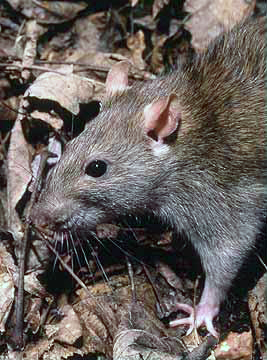
| An ICRC-led programme is working to reduce prison rat populations |
Two cases of pneumonic plague - more deadly than bubonic plague - have been reported in Madagascar, a health official has told the BBC.
It comes after it was confirmed that there was a deadly outbreak of the bubonic plague in a village in the north-west of the island.
Pneumonic plague can be inhaled and transmitted between humans without involvement of animals or fleas.
It is the most virulent and least common form of plague.
It can kill within 24 hours.
It comes after it was confirmed that there was a deadly outbreak of the bubonic plague in a village in the north-west of the island.
Pneumonic plague can be inhaled and transmitted between humans without involvement of animals or fleas.
It is the most virulent and least common form of plague.
 |
Bubonic and pneumonic plagues are both caused by the bacterium Yersinia pestis, the primary difference being the location of the infection; bubonic plague refers to an infection of the lymphatic system, pneumonic plague an infection of the respiratory system. Via the BBC
Above: Yersinia pestis, by Rocky Mountain Laboratories/AP via Wikimedia Commons |
It can kill within 24 hours.
'Most deaths'
Bubonic plague hit a village near Madagascar's north-western town of Mandritsara last week.
At least 20 people were reported to have died.
The Pasteur Institute of Madagascar confirmed on Tuesday that tests taken from some bodies in the village, near the north-western town of Mandritsara, last week showed that they had died of the plague.
However, it did not say how many people had died.
Pneumonic plague is caused by the same bacteria that occur in bubonic plague - the Black Death that killed an estimated 25 million people in Europe during the Middle Ages.
But while bubonic plague is usually transmitted by flea bites and can be treated with antibiotics, pneumonic plague is easier to contract and if untreated, has a very high case-fatality ratio, experts say.
Madagascar's health ministry director-general Dr Herlyne Ramihantaniarivo confirmed to the BBC that two cases of the plague had been reported.
Last year, Madagascar had 60 deaths from bubonic plague, the world's highest recorded number.
The International Committee of the Red Cross warned in October that Madagascar was at risk of a plague epidemic.
The BBC's Tim Healy in the capital, Antananarivo, says health officials have now gone to the remote area to investigate.
Prisoners on the island are usually most affected by bubonic plague, which is spread because of unhygienic conditions, he says.
The prevalence of rats in Madagascar's prisons means the plague can spread easily.
The Pasteur Institute said there were concerns that the disease could spread to towns and cities where living standards have declined since a coup in 2009 and the ensuing political crisis.
On 20 December a second round is being held of presidential elections aimed at ending the political deadlock.
ORIGINAL: BBC
Bubonic plague hit a village near Madagascar's north-western town of Mandritsara last week.
At least 20 people were reported to have died.
 |
| The plague is spread because of poor hygiene |
However, it did not say how many people had died.
Pneumonic plague is caused by the same bacteria that occur in bubonic plague - the Black Death that killed an estimated 25 million people in Europe during the Middle Ages.
But while bubonic plague is usually transmitted by flea bites and can be treated with antibiotics, pneumonic plague is easier to contract and if untreated, has a very high case-fatality ratio, experts say.
Madagascar's health ministry director-general Dr Herlyne Ramihantaniarivo confirmed to the BBC that two cases of the plague had been reported.
Last year, Madagascar had 60 deaths from bubonic plague, the world's highest recorded number.
The International Committee of the Red Cross warned in October that Madagascar was at risk of a plague epidemic.
The BBC's Tim Healy in the capital, Antananarivo, says health officials have now gone to the remote area to investigate.
Prisoners on the island are usually most affected by bubonic plague, which is spread because of unhygienic conditions, he says.
The prevalence of rats in Madagascar's prisons means the plague can spread easily.
The Pasteur Institute said there were concerns that the disease could spread to towns and cities where living standards have declined since a coup in 2009 and the ensuing political crisis.
On 20 December a second round is being held of presidential elections aimed at ending the political deadlock.
 |
| Madagascar's prisons are overcrowded and dirty, the ICRC says |
11 December 2013